
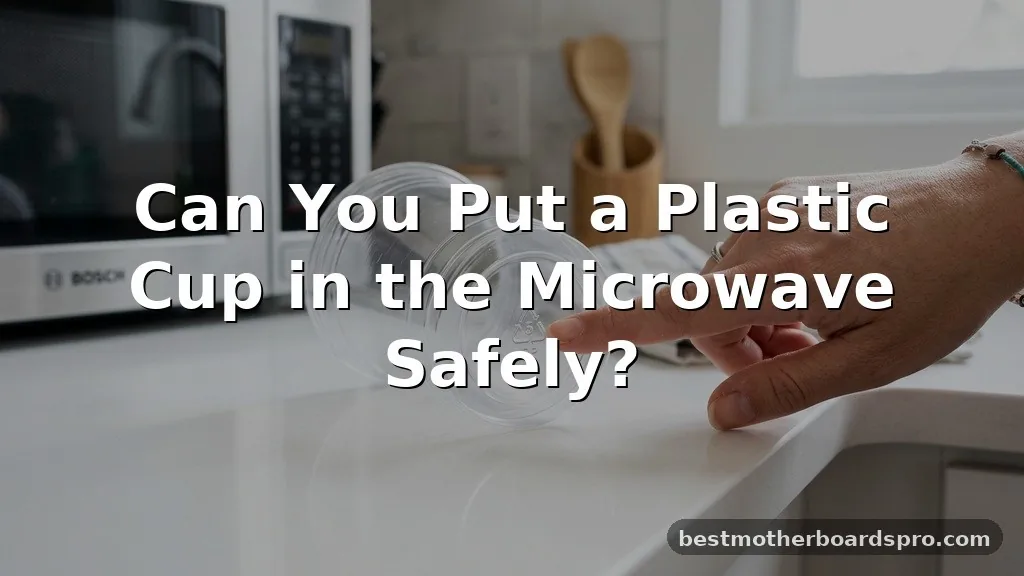
Deciding whether you can put a plastic cup in the microwave often comes down to understanding the specific material composition of the container in your hand. Most people assume that because a cup is made of plastic, it should behave predictably under heat, but that is a dangerous assumption to make. Rapid heating can cause structural failure or the release of unwanted compounds if the material isn’t engineered for high temperatures.
By learning how to identify the right labels and understanding the physical properties of different polymers, you can avoid common kitchen accidents. This article breaks down the science of microwave-safe plastics so you can decide if it’s okay to heat your beverage or snack without worry.
Identifying Microwave-Safe Plastic
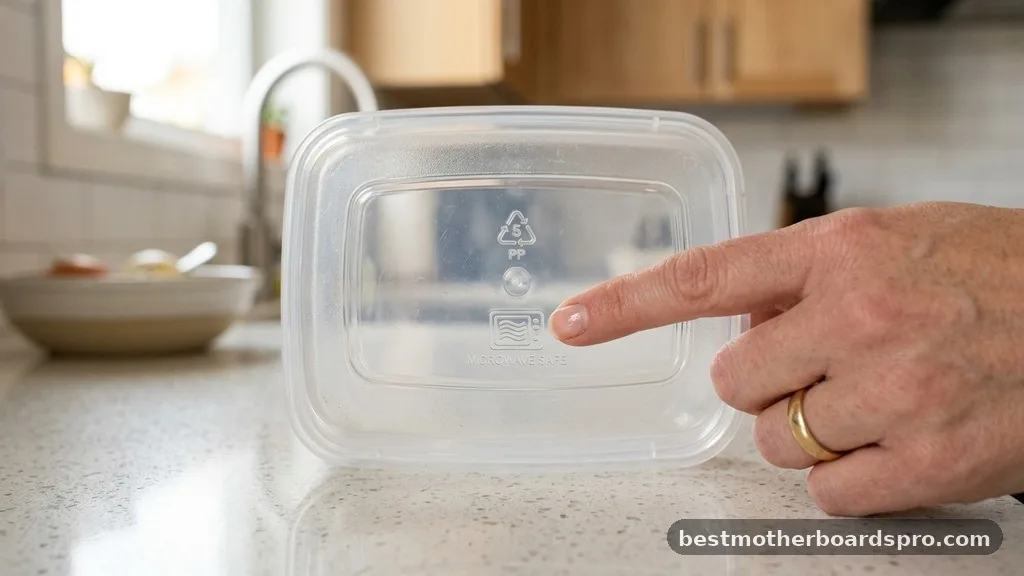
Determining whether you can safely use a plastic cup in the microwave starts with looking for the right indicators on the bottom of the item. Manufacturers often include a symbol—usually a square containing a microwave icon with wavy lines—to signify that the product has been tested for thermal stability. If you don’t see this symbol, it’s best to assume the item is not intended for use in an appliance that generates high-frequency electromagnetic waves.
The number inside the recycling triangle is another critical piece of information. While this code primarily denotes the type of resin, it acts as a strong proxy for how that plastic will react to heat. Not all plastics are created equal; some are designed to remain rigid under heat, while others are intended for single-use cold applications only.
Common Plastic Types and Heat Resistance
Different polymers possess unique melting points and chemical structures that dictate their performance in a microwave. Understanding these differences helps clarify why some containers survive the process while others warp or melt instantly.
- Polypropylene (PP, Code 5): Generally considered the safest choice for microwave use due to its high heat tolerance and chemical stability.
- Polystyrene (PS, Code 6): Commonly used for disposable coffee cups; it is highly susceptible to melting and should never be used in a microwave.
- Polyethylene Terephthalate (PET, Code 1): Often found in water bottles, this material is designed for cold beverages and can deform when subjected to heat.
- Polycarbonate (PC, Code 7): While durable, some older versions contain bisphenol A (BPA), which may leach into food when the plastic is heated.
The Risks of Heating Non-Microwave-Safe Plastics
When you put an unsuitable plastic cup in the microwave, you aren’t just risking a messy cleanup; you are introducing potential health hazards. Heat accelerates the migration of chemical additives from the plastic matrix into the contents of the cup. This process, often called leaching, happens more rapidly as the temperature of the container rises.
If a cup is not designed for microwave use, the heat can cause the material to soften or lose its structural integrity. As the plastic breaks down, it may release substances that were never meant to be ingested. Even if the cup doesn’t melt entirely, micro-cracks can form, trapping bacteria or allowing chemicals to seep out over time.
Comparing Container Materials for Microwave Use
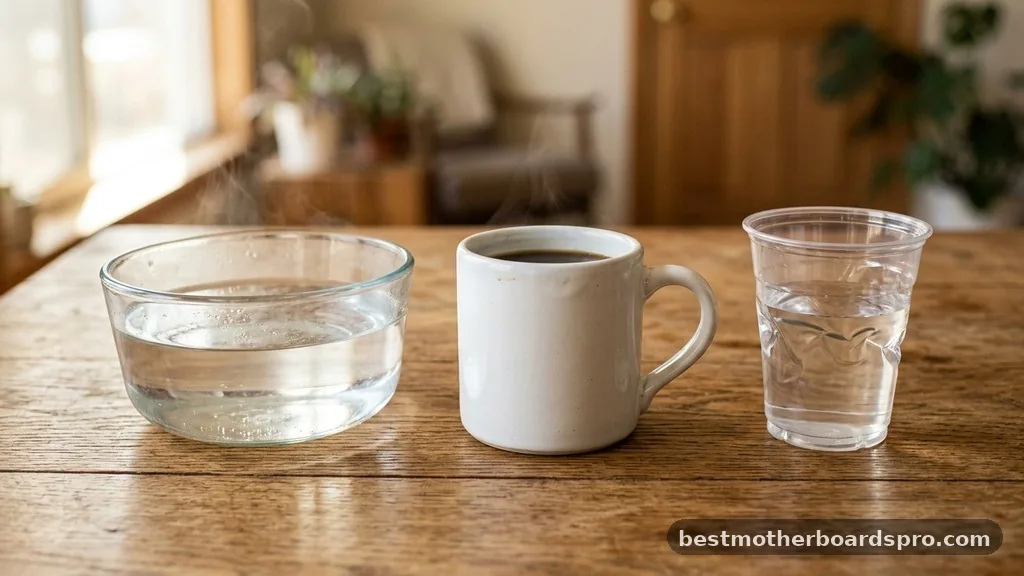
Choosing the right vessel is essential for both your health and the longevity of your appliances. The following table compares common materials based on their suitability for microwave heating.
| Material | Microwave Suitability | Heat Tolerance |
|---|---|---|
| Polypropylene (PP) | High | Excellent |
| Glass | High | Excellent |
| Ceramic | High | Excellent |
| Polystyrene (PS) | Low | Poor |
| PET Plastic | Low | Poor |
Addressing Topical Gaps
A common misconception is that “microwave-safe” means the plastic is immune to heat. In reality, it simply means the material won’t melt or release harmful levels of chemicals under standard operating conditions.
Many users also wonder if they can heat liquids for short durations, such as 30 seconds, in a standard disposable cup. While a quick burst might not melt the cup, it can still compromise the chemical stability of the plastic, especially if the liquid is high in fat or sugar.
Fat and sugar molecules heat up much faster than water. When these hot spots develop in contact with the cup wall, they can exceed the melting point of thin plastics, even if the liquid itself isn’t boiling. Therefore, relying on the “30-second rule” is a risky practice that ignores the chemistry of the food being heated.
Best Practices for Heating Beverages
If you are unsure about a container, the safest approach is to transfer your coffee or other liquids into a microwave-safe ceramic mug. This eliminates the uncertainty regarding plastic additives and the risk of the cup collapsing in your hand when you try to remove it. If you must use plastic, ensure it is clearly labeled as microwave-safe and check for any signs of wear, such as clouding, pitting, or surface roughness.
Regularly inspecting your microwaveable containers is just as important as checking the initial label. Over time, the repeated cycle of heating and cooling creates micro-abrasions in the plastic.
These areas are more prone to harboring bacteria and are where chemical leaching is most likely to begin. If a cup looks old, discolored, or warped, it is time to retire it from your kitchen rotation.
Understanding Chemical Leaching
Chemical migration is a complex physical process influenced by the duration of heating and the nature of the substance inside the cup. Acidic liquids, such as tomato-based soups or citrus juices, can be particularly reactive with certain plastics. When these substances are heated, they can pull plasticizers—chemicals added to make the material flexible—out of the polymer structure.
Avoiding the use of thin, single-use plastic cups for anything other than cold liquids is a simple way to minimize your exposure to these compounds. By sticking to glass or high-quality, BPA-free polypropylene for your warm drinks, you maintain a higher standard of safety in your daily routine.
Frequently Asked Questions
Is it safe to microwave plastic cups labeled as disposable?
No, disposable plastic cups are typically made from thin plastics like polystyrene or PET that are not designed to withstand heat. Microwaving them can cause the cup to melt, warp, or release chemical additives into your drink, which is a significant safety and health concern.
Can I safely warm up water in a plastic cup?
Only if the plastic cup is explicitly marked as microwave-safe. Even then, it is generally better to use glass or ceramic containers. Heating water in a non-microwave-safe plastic cup can cause the material to soften, potentially leading to burns if the cup collapses when you handle it.
What should I do if I accidentally microwaved a non-safe plastic cup?
If you have accidentally microwaved a non-safe cup, allow the microwave to ventilate before opening the door to avoid inhaling potential fumes. Discard the cup and any food or liquid that was inside, as it may have been contaminated by chemicals released during the heating process.
Are all plastic cups with the number 5 safe to microwave?
While plastic number 5, or polypropylene, is the most heat-resistant type of plastic and is generally considered safe, it is still best to look for the specific microwave-safe symbol. Some manufacturers may add other components or dyes to the plastic that are not intended for high-heat applications.
Final Thoughts on Microwave Safety
Navigating the kitchen with an eye toward safety doesn’t have to be complicated. By prioritizing glass and ceramic over plastic, you simplify your life and eliminate the guesswork associated with material science. When you do choose to use plastic, always verify the microwave-safe label and inspect the container for signs of degradation.
Keeping these habits in mind ensures that you can enjoy your warm drinks and meals without worrying about hidden chemical risks. If you are ever in doubt about whether you can put a plastic cup in the microwave, the smartest choice is always to transfer your contents to a more reliable vessel. Taking this small extra step protects your health and keeps your kitchen routine running smoothly.