
Determining whether your dinnerware can handle high heat is a common household concern, especially when you are trying to figure out if your plastic plates are microwave safe. While many modern options are designed for convenience, not all synthetic materials behave the same way under thermal stress. Using the wrong type of item can lead to warping, melting, or the leaching of chemicals into your food.
Understanding the specific material composition and looking for the right safety indicators will help you avoid potential hazards in the kitchen. This article clarifies which materials are reliable for daily use and which ones should stay far away from your appliance.
Decoding Microwave Safety Symbols
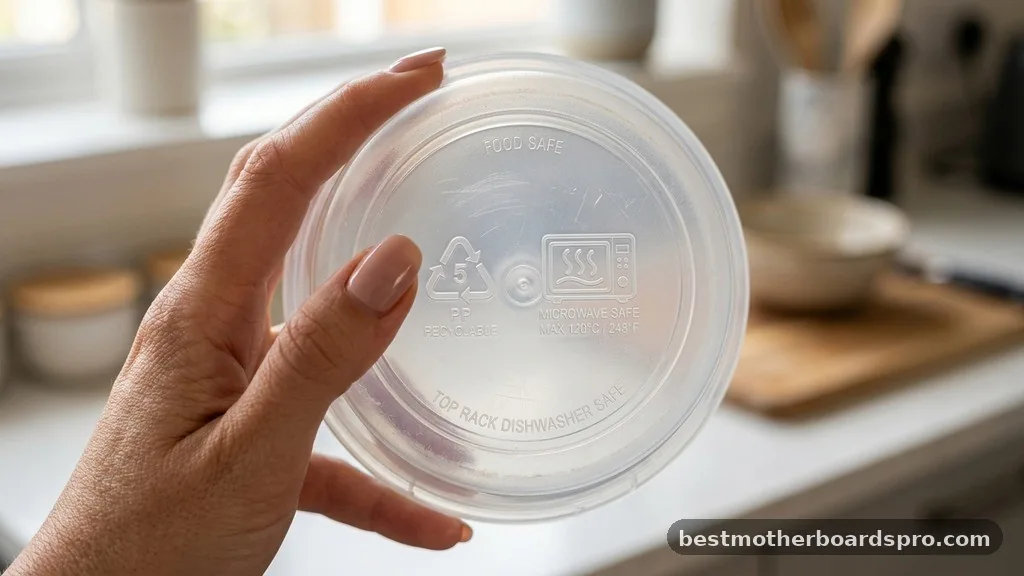
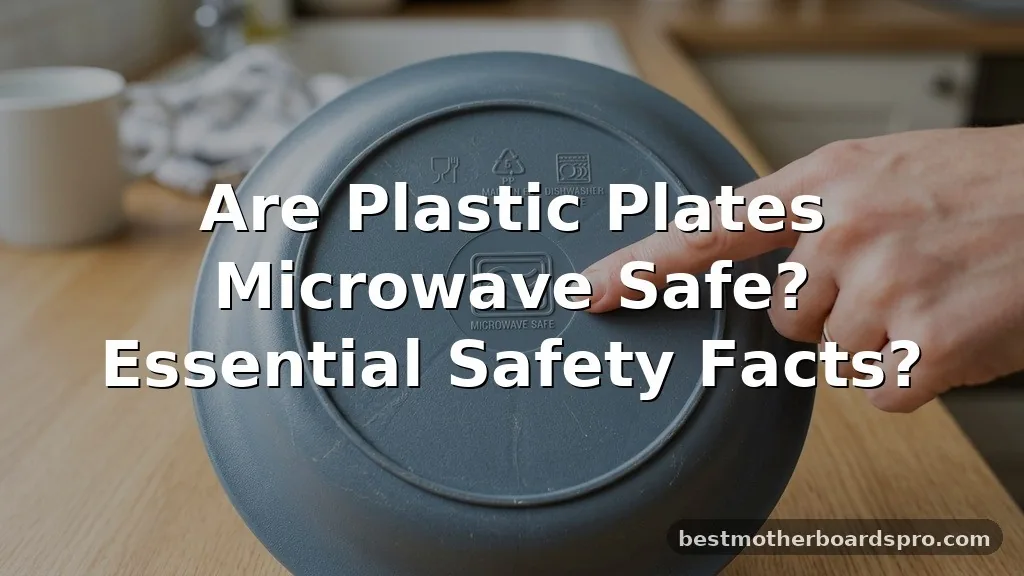
The most reliable way to check if your gear is suitable for the microwave is to look for the manufacturer’s label. Most containers and dinnerware sets feature a symbol on the underside, typically consisting of a microwave icon with wavy lines. If you see this mark, the item has been tested to withstand heat without releasing harmful substances.
It is important to remember that the absence of a label does not automatically mean an item is dangerous, but it does mean it hasn’t been certified for heating. Many generic plastic plates lack these markings because they aren’t intended for high-temperature applications. If you cannot find a clear indicator, it is safer to transfer your food to a glass or ceramic dish before heating.
Common Materials and Their Heat Resistance
Not all plastics are created equal when it comes to thermal stability. Some are engineered to remain rigid and stable at high temperatures, while others will lose their structural integrity almost immediately.
- Polypropylene (PP): Often labeled with the number 5, this is widely considered the safest plastic for microwave use. It is heat-resistant and durable.
- Polyethylene (PE): While relatively stable, it is less common for hard dinnerware and more frequent in flexible containers.
- Polystyrene (PS): Commonly found in disposable items, this material is generally not recommended for microwave use as it can melt or deform easily.
- Polycarbonate (PC): Known for being unbreakable, older versions of this plastic may contain BPA, which can leach into food when heated.
The Risks of Microwaving Non-Safe Plastics
When you subject plastic that isn’t designed for high heat to microwave radiation, several physical and chemical changes can occur. The most immediate issue is physical deformation; the plastic may soften, warp, or even melt onto your microwave’s turntable. Beyond the aesthetic damage, there are concerns regarding chemical migration.
Chemicals like phthalates and bisphenol A (BPA) are often used to make plastics flexible or durable. When these materials are heated, the molecular bonds can loosen, allowing these substances to migrate into your meal. This is particularly concerning with fatty or acidic foods, which can accelerate the absorption of these compounds.
| Material Type | Microwave Suitability | Heat Tolerance |
|---|---|---|
| Polypropylene (PP) | High | Excellent |
| Polystyrene (PS) | Low | Poor |
| Melamine | None | Very Low |
| Wheat Straw Plastic | Moderate | Good |
Modern Alternatives: Wheat Straw and Reusable Sets
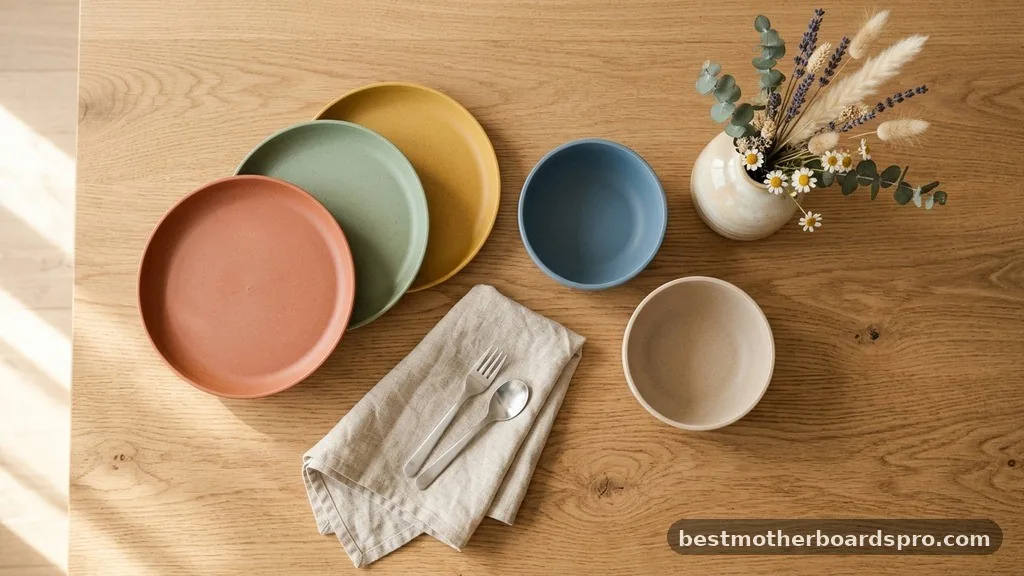
In recent years, many households have shifted toward more sustainable and safer materials. Wheat straw dinnerware has gained significant popularity as a greener alternative to traditional petroleum-based plastics.
These sets are often lightweight, unbreakable, and typically free of BPA. Because they are a blend of natural fibers and food-grade polypropylene, they generally perform well in the microwave.
When purchasing a new set, look for descriptions that explicitly state “microwave safe.” You should also verify if the items are dishwasher safe, as the high heat cycles of a modern dishwasher can be just as demanding as a microwave. Investing in high-quality, BPA-free dinnerware ensures that your family stays safe while enjoying the convenience of quick reheating.
Addressing Common Misconceptions
Many people assume that if a plate is rigid or thick, it must be safe for the microwave. This is a dangerous assumption. Melamine, for instance, is a very hard, durable plastic often used for picnic sets and children’s bowls.
Despite its strength, it is strictly not microwave safe. Heating melamine causes it to degrade and release chemicals, which can contaminate your food.
Another common myth is that “microwave safe” means the plate will never get hot. In reality, the food itself heats up, and that heat transfers to the dish.
If the plastic is of high quality, it will absorb some heat but maintain its shape. If you notice a plate becoming excessively hot or developing a strange odor while in the machine, stop using it immediately, as this is a sign that the material is not suitable for that environment.
How to Test Your Existing Dinnerware
If you have a collection of plates and aren’t sure about their origin, there is a simple “water test” you can perform. Place the empty plastic plate in the microwave alongside a cup of water. Microwave both for about one minute on high power.
If the water is hot but the plate remains cool or just slightly warm to the touch, the material is likely microwave-safe. However, if the plate itself becomes hot, soft, or begins to smell like burning plastic, discard it. This test is a quick way to identify items that are not suitable for regular heating, though it should not replace checking for official safety labels.
Practical Tips for Daily Use
To maximize the lifespan of your microwave-safe plastic, avoid using it for long cooking sessions. Microwaves are best used for reheating leftovers for a minute or two. If you are cooking something for an extended period, such as ten minutes or more, always switch to glass or ceramic.
Also, inspect your plates regularly for signs of wear. Deep scratches, cracks, or a rough, pitted surface are indicators that the plastic is breaking down. Bacteria can hide in these crevices, and the structural integrity of the plastic is compromised, making it more likely to leach chemicals when heated.
FAQ
Is it okay to put plastic plates in the microwave?
Only if they are specifically labeled as microwave-safe. Always check the bottom of the plate for a microwave icon or a recycling symbol indicating it is made of polypropylene. If there is no label, it is safer to use glass or ceramic to avoid potential chemical leaching.
How do I know if my plastic plate is microwave safe?
Look for the manufacturer’s mark on the bottom of the dish. A symbol showing a microwave with wavy lines is the standard indicator. If you see no such mark, or if the material feels like thin, brittle plastic, assume it is not intended for high-heat use.
What plates cannot be microwaved?
You should never microwave melamine or thin, single-use plastics like those found in takeout containers. These materials can warp, melt, or release harmful chemicals when exposed to heat. If a plate is not explicitly marked as microwave-safe, avoid using it to heat your food.
What are five things I should never put in the microwave?
Avoid heating metal, aluminum foil, Styrofoam, melamine, and thin plastic bags. Metal can cause arcing and fire, while Styrofoam and melamine can release toxic compounds. Always prioritize using microwave-safe glass, ceramic, or high-quality, marked polypropylene plastic for your heating needs.
Maintaining Your Kitchen Safety
Selecting the right dinnerware is a balance of convenience and health-conscious choices. While plastic plates offer the benefit of being unbreakable and perfect for casual settings, you must remain vigilant about their heat tolerance. By sticking to products clearly marked as microwave-safe and replacing any items that show signs of damage, you protect both your appliances and your well-being.
If you are ever in doubt, the simplest solution is to reach for a glass or ceramic alternative. Staying informed about the materials you use in your kitchen ensures that you can safely enjoy the ease of modern cooking every single day. If you have questions about specific brands or materials, checking the manufacturer’s official documentation is always the best next step.