

Many home cooks wonder if they can make a hard boiled egg in the microwave without creating a kitchen disaster. The short answer is yes, but the process requires caution and specific techniques to avoid the infamous “egg explosion” that happens when steam pressure builds up inside the shell.
By understanding how to manage heat and pressure, you can successfully achieve perfectly cooked eggs without firing up the stove. This article explores the precise methods you need to follow, the safety precautions to keep in mind, and the simple science behind keeping your microwave clean while you cook.
The Science Behind Microwave Egg Cooking
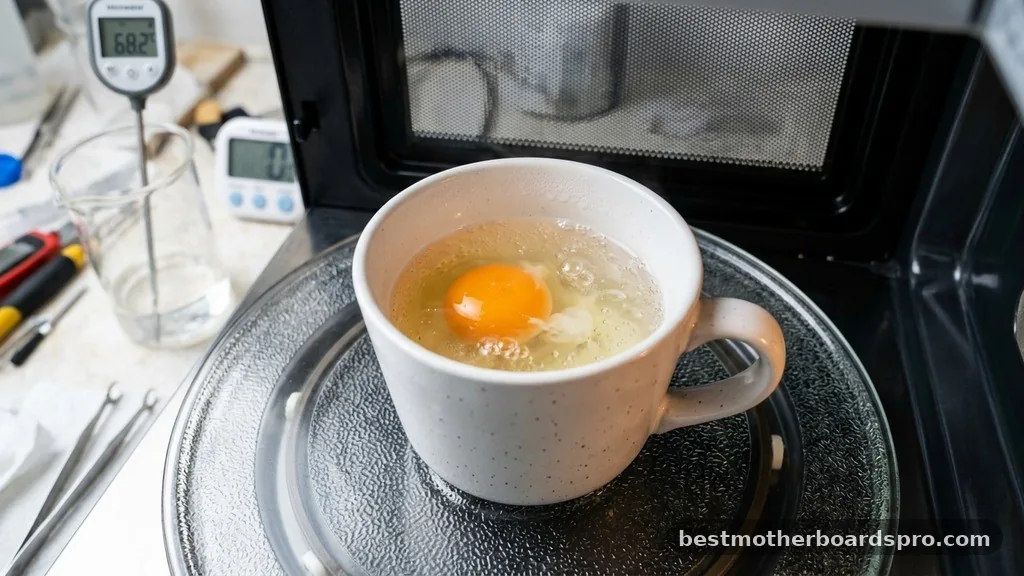
When you heat a whole, unpeeled egg in a microwave, the moisture inside the yolk and white turns into steam rapidly. Because the shell is rigid and the membrane is tough, this steam has nowhere to escape. As the internal pressure mounts, the shell eventually fails, resulting in a loud pop and a messy explosion of egg contents throughout your microwave.
To safely make a hard boiled egg in the microwave, you must disrupt this pressure buildup. Some methods involve piercing the shell, while others rely on submerging the egg entirely in water to regulate temperature. Regardless of the chosen technique, you should never attempt to microwave an egg in its shell without taking these specific preventative steps.
Safe Methods for Cooking Eggs in the Microwave
If you want to know if you can make a hard boiled egg in the microwave without a mess, the answer lies in the setup. Using a microwave-safe container filled with enough water to cover the egg completely is the most reliable approach. This water acts as a heat sink, ensuring the egg cooks more evenly while preventing the shell from overheating.
The Water Submersion Technique
1. Place your egg in a deep, microwave-safe bowl.
2. Pour room-temperature water over the egg until it is submerged by at least an inch.
3.
Add a teaspoon of salt to the water; this can help prevent the white from leaking if the shell develops a small crack.
4. Microwave on medium power rather than high, as lower power settings allow heat to penetrate the yolk more gently.
5. Use a cover, such as a microwave-safe plate, to minimize potential splatter.
The Piercing Method
Some home chefs prefer to poke a tiny hole in the bottom of the shell using a safety pin or a specialized egg piercer. This tiny vent allows steam to escape during the cooking process.
While this reduces the risk of an explosion, it is not foolproof. Always combine this with the water bath method for the highest success rate.
Comparing Microwave Egg Cooking Techniques
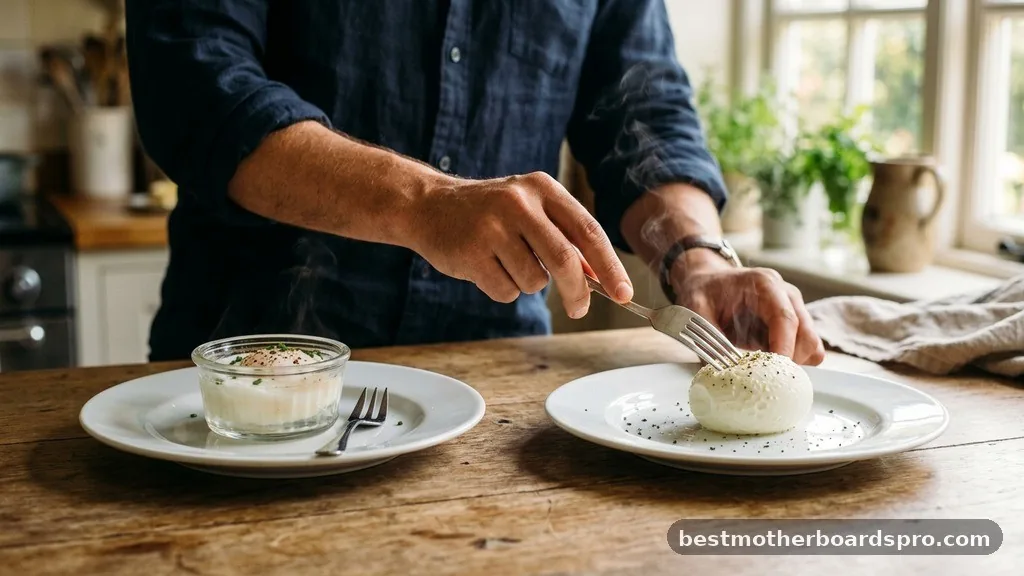
Choosing the right approach depends on your equipment and how much time you have. The table below outlines how different settings affect your final result.
| Method | Cooking Time | Risk Level | Best Use Case |
|---|---|---|---|
| Full Water Submersion | 8-10 minutes | Low | Standard hard boiled eggs |
| Pierced Shell in Bowl | 6-7 minutes | Medium | Quick snacks |
| Microwave Egg Cooker | 5-8 minutes | Very Low | Frequent egg consumers |
Addressing Topical Gaps and Safety Myths
A common misconception is that you can simply place an egg on a paper towel and hit start. This is dangerous and will almost certainly result in a ruined appliance.
Another gap in common knowledge involves the use of metal. Never use metal containers or wire racks inside the microwave, as these can cause sparks and damage your machine.
If you are wondering about the texture, microwave-cooked eggs can sometimes turn out rubbery if overcooked. To combat this, always place your egg in a bowl of cold water or ice immediately after the timer goes off. This “shock” stops the residual cooking process, ensuring the yolk stays creamy rather than chalky.
Essential Tips for Success
* Always use room-temperature eggs if possible, as cold eggs from the fridge are more prone to cracking when exposed to sudden heat.
* Adjust your microwave time based on your specific wattage; a 1000-watt microwave will cook faster than a 700-watt model.
* Avoid using eggs with existing hairline fractures, as these are guaranteed to burst regardless of your cooking method.
* Let the egg sit in the hot water for a few minutes after the microwave stops to finish the cooking process gently.
FAQ
How do you microwave a boiled egg without it exploding?
The key is to fully submerge the egg in a bowl of water and use medium power settings. Adding a pinch of salt to the water also helps seal small cracks, while using a cover on the bowl contains any potential steam release safely.
What is the fastest way to hard boil an egg?
While the stove is traditional, using a dedicated microwave egg cooker is the fastest method. These plastic devices are designed to distribute heat evenly and safely, typically yielding a hard-boiled egg in under six minutes without the risk of an explosion.
Can I boil hard-boiled eggs in the microwave without using water?
No, you should never attempt to microwave an egg in its shell without water. The lack of a heat-conducting medium causes the internal steam pressure to rise instantly, leading to an explosion that can damage your microwave and create a significant mess.
How do I know if the egg is finished cooking?
You can estimate doneness by the total time and power level, but the most accurate way to check is to carefully remove the egg with tongs and place it in an ice bath. If you are unsure, err on the side of caution and let it sit in the hot water longer.
Final Thoughts
Learning how to navigate the process of preparing eggs in your kitchen appliance can save you time on busy mornings. While you can make a hard boiled egg in the microwave, it requires a mindful approach to safety and heat management. By keeping your eggs submerged in water and avoiding high-power settings, you can enjoy this convenient protein source without the stress of cleaning up an exploded mess.
Experiment with your specific microwave settings to find the exact timing that works for your preferred yolk consistency. Once you master these simple techniques, you will have a reliable method for quick, healthy snacks whenever you need them.