
When you are in a rush and need a quick meal, knowing exactly how long to cook hot dogs in the microwave can save you from a rubbery, disappointing lunch. Achieving that plump, juicy texture isn’t just about throwing a frank into the appliance and hoping for the best. By understanding the interaction between moisture and heat, you can transform a simple snack into a satisfying meal in under a minute.
Whether you are prepping for a movie night or a fast lunch, mastering the timing and technique ensures your frankfurter reaches the perfect temperature without losing its snap. Let’s look at the best methods to get consistent, delicious results every single time.
The Science of Microwaving a Frank
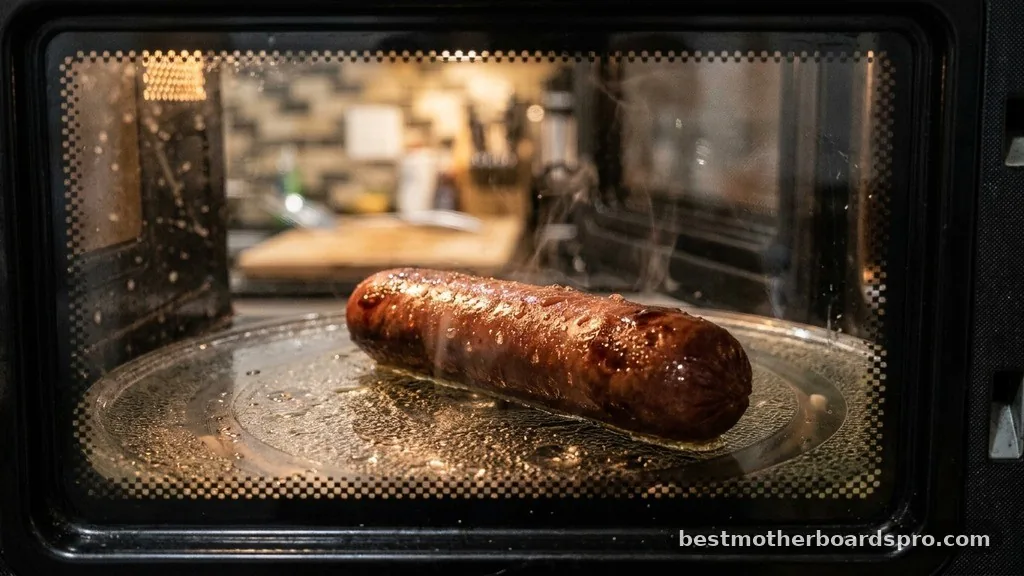
Microwaves function by agitating water molecules within food, causing them to vibrate and generate heat. When you cook a hot dog, the high fat and protein content reacts rapidly to this energy. If you leave the meat in for too long, the moisture evaporates, leaving you with a shriveled, tough casing that lacks the snap you expect.
The goal is to heat the center of the meat thoroughly while keeping the exterior from drying out. Because microwaves often heat unevenly, internal pressure can build up quickly.
This is why you might notice your lunch exploding or splitting open if you don’t manage the timing or use a protective layer. Understanding this balance is the first step toward better results.
Optimal Timing for Different Quantities
The amount of time you need depends heavily on how many franks you are heating at once. A single item will cook much faster than a cluster of five, as the microwave energy is distributed across the total mass. Using too much time for a small portion is the most common mistake home cooks make.
| Quantity | Estimated Time | Power Level |
|---|---|---|
| One hot dog | 30–45 seconds | High |
| Two hot dogs | 50–60 seconds | High |
| Three hot dogs | 75–90 seconds | High |
| Four or more | 1.5–2 minutes | High |
Always start on the lower end of the time spectrum. You can always add an extra ten seconds if the center still feels cool, but you cannot reverse the damage caused by overcooking.
The Role of Moisture and Paper Towels
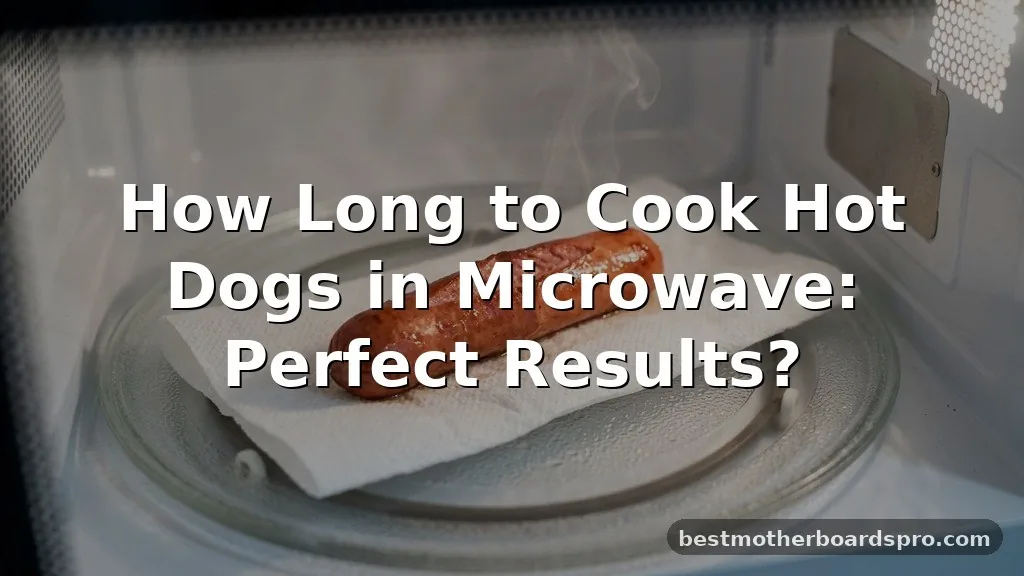
Using a paper towel is the secret to preventing a dry, wrinkled surface. Wrapping each item lightly in a damp paper towel helps trap steam, which effectively poaches the meat as it heats. This mimics the results of boiling without the hassle of a pot of water.
If you don’t have paper towels, you can place the meat in a microwave-safe dish with a small splash of water at the bottom and cover it with a lid or a microwave-safe plate. This creates a moist environment that keeps the casing tender. Avoid using plastic wrap, as it can melt or trap too much steam, leading to a texture that feels mushy rather than juicy.
Techniques for Better Texture and Flavor
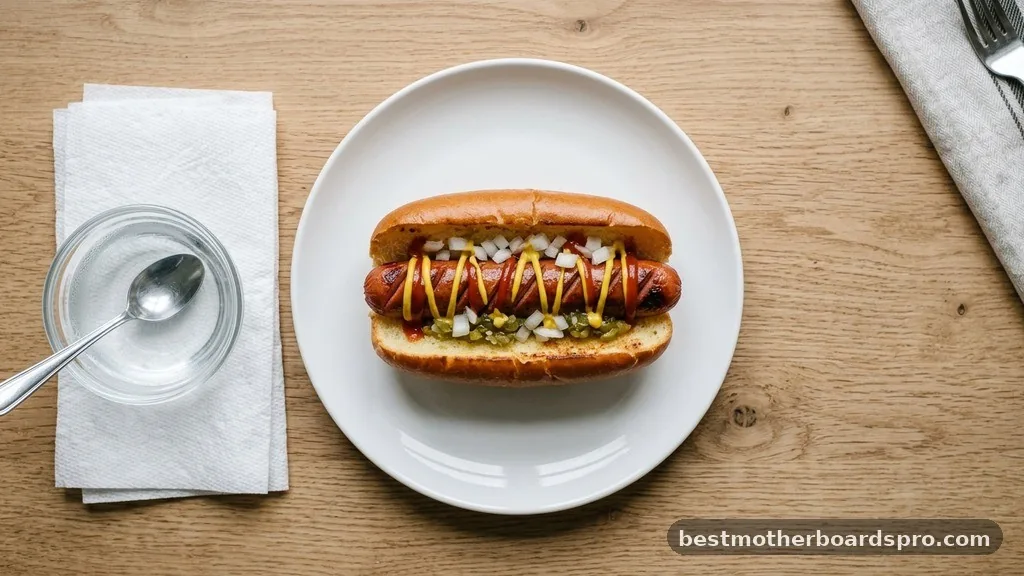
While the microwave is convenient, it doesn’t provide the charred, smoky flavor of a grill. However, you can still improve the quality of the final product with a few simple tricks.
- Score the surface: Use a knife to make shallow diagonal cuts along the length of the meat to prevent bursting.
- Don’t pierce too deep: Shallow cuts allow steam to escape without causing the frank to split into pieces.
- Warm the bun: Wrap your bun in a clean, dry paper towel and heat it for only 10 seconds to get that fresh-bakery feel.
- Avoid overcrowding: Arrange them in a circle on the plate rather than a pile to ensure the edges cook at the same rate as the centers.
Addressing Common Microwave Cooking Gaps
Many people wonder if they should pierce the skin before starting. While not strictly necessary, it is highly recommended if you are heating larger, thicker sausages.
The casing acts as a pressure vessel; as the internal steam builds, the skin becomes tight. Small slits allow that pressure to vent, which creates a more uniform cooking experience.
Another common concern is whether you should cook the bun alongside the meat. It is generally better to keep them separate.
The bread contains different moisture levels and will become hard or chewy if heated for the same duration as the meat. Heating the bun separately for a very short burst at the end is the superior way to maintain a soft, pillowy texture.
Safety and Internal Temperature
Even though most hot dogs are pre-cooked, you should still ensure they reach a safe internal temperature, especially if you are serving them to children. The center should be steaming hot. If you are unsure, use a food thermometer to check that the internal temperature reaches at least 165 degrees Fahrenheit.
If you find that your microwave has “cold spots,” rotate the plate halfway through the cooking process. This simple adjustment ensures that you don’t end up with one end of the frank burning while the other remains cold. Consistency is the hallmark of a well-prepared meal, even when using the microwave.
Comparing Methods: Microwave vs. Stovetop
While the microwave is the fastest option, it is helpful to understand how it stacks up against traditional preparation methods.
- Microwave: Fastest, great for single servings, requires careful moisture control to avoid toughness.
- Stovetop boiling: Classic, results in a very plump texture, but takes longer to boil the water.
- Grilling: Best for flavor and char, but requires outdoor setup and constant monitoring.
- Pan-searing: A great middle ground that offers some char and a juicy interior without the need for a grill.
Frequently Asked Questions
How long should you put hot dogs in the microwave?
For a single hot dog, 30 to 45 seconds on high power is usually sufficient. If you are cooking multiple items, increase the time in 15-second increments, checking the center for heat. Always wrap them in a damp paper towel to maintain moisture and prevent the skin from toughening.
Should I wrap a hot dog when microwaving it?
Yes, wrapping your hot dog in a lightly dampened paper towel is highly recommended. This creates a steam-rich environment that prevents the meat from drying out or becoming rubbery. It effectively poaches the frank, resulting in a much juicier and more pleasant texture than cooking it completely uncovered.
Can I cook a tender and juicy hot dog in the microwave?
Absolutely. The key to a tender result is avoiding excessive heat duration.
By using a damp paper towel and cooking in short, controlled bursts, you can achieve a plump, juicy result. Avoid overheating, as the proteins will seize up and the casing will shrivel if left in for too long.
What happens if I microwave a hot dog for too long?
Microwaving for too long causes the moisture inside the meat to evaporate rapidly, leading to a tough, leathery texture. Furthermore, the internal pressure can cause the frank to split or even explode, creating a mess inside your appliance. Always start with less time and add more if necessary.
Final Thoughts on Microwave Cooking
Mastering the process of how long to cook hot dogs in the microwave is a simple skill that makes quick meals much more enjoyable. By prioritizing moisture, using short intervals, and warming your buns separately, you can ensure your meal is consistently perfect. You don’t need a grill or a stove to enjoy a quality frank; you just need to understand how your appliance interacts with your food.
Next time you are in a hurry, remember to wrap that frank, keep an eye on the clock, and enjoy your meal. If you have a favorite condiment or topping that elevates your quick lunch, feel free to experiment and find your own perfect combination.