
Deciding whether you can put plastic in a microwave is a common kitchen dilemma that often leaves people guessing. While many containers look sturdy enough to handle the heat, not all materials are created equal when exposed to high temperatures. Understanding the difference between microwave-safe plastics and single-use items is vital for keeping your meals free from unwanted substances.
When you heat food, the structural integrity of the vessel matters just as much as the ingredients inside. By learning to identify the right labels and understanding how heat affects polymer chains, you can avoid common mistakes that lead to warped containers and potential chemical migration into your lunch.
Understanding Microwave-Safe Plastics
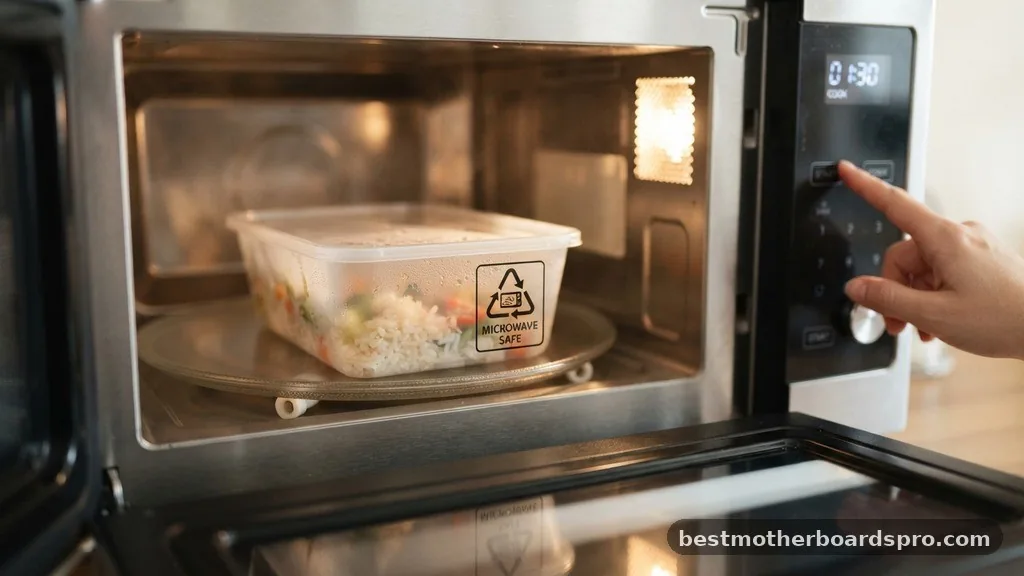
Most people assume that if a container holds food, it can handle a microwave. This is a dangerous misconception.
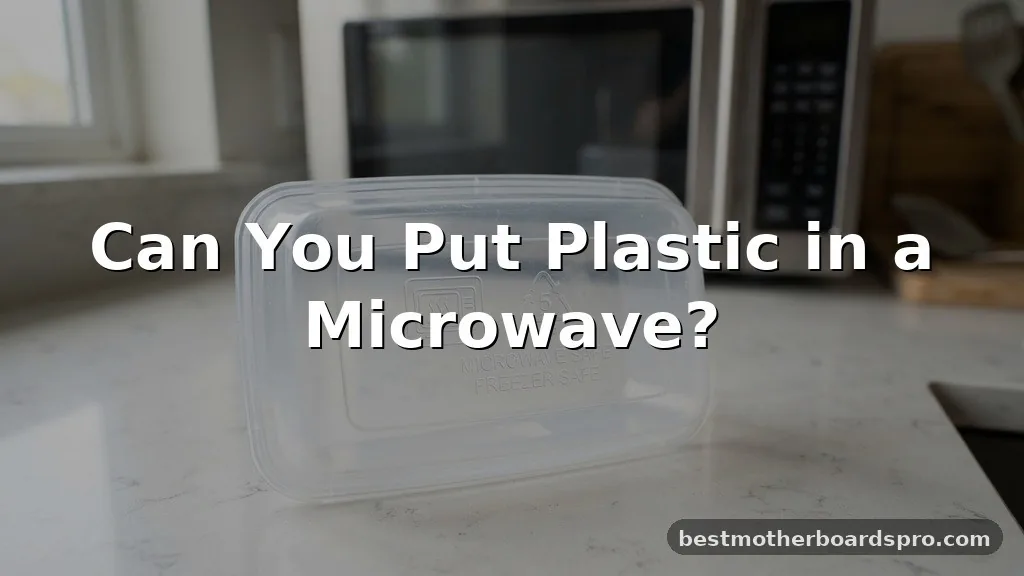
When you ask if you can put plastic in a microwave, the answer depends entirely on the specific formulation of the polymer. Manufacturers design microwave-safe plastics to withstand heat without melting or releasing harmful compounds into your food.
These items are specifically engineered to remain stable at high temperatures. If a container is not labeled as microwave-safe, it may contain additives that soften or leach when heated.
To determine if your container is safe, always look for the microwave-safe symbol—usually represented by a square icon containing wavy lines. If you cannot find this mark, it is safer to transfer your food to a glass or ceramic dish before heating.
The Science of Chemical Migration
The primary concern regarding heating plastics involves the migration of chemicals from the container into the contents. When plastics reach their glass transition temperature, the molecular structure can loosen. This process creates an environment where additives, such as plasticizers or stabilizers, can move from the container walls into your food.
Some of these substances are known as endocrine disruptors. These are chemicals that may interfere with hormonal functions within the body.
While a single instance of microwaving a non-safe container is unlikely to cause immediate illness, chronic exposure to these leached chemicals is a valid concern. Research has frequently explored how microplastics and other chemical residues interact with human biology, highlighting the importance of using high-quality, heat-resistant materials.
Identifying Plastic Types by Number
Every plastic container features a resin identification code, typically a number inside a triangle on the bottom. This system helps you understand what you are dealing with before it goes into the oven.
| Resin Code | Common Name | Microwave Suitability |
|---|---|---|
| #1 | PET or PETE | Generally avoid; prone to warping. |
| #5 | Polypropylene (PP) | Usually safe; high heat tolerance. |
| #6 | Polystyrene | Never microwave; melts easily. |
| #7 | Other (Polycarbonate/BPA) | Varies; caution advised. |
Polypropylene, marked with a number 5, is widely considered the safest choice for microwave use. It has a high melting point and is less likely to release chemicals compared to other types.
However, even with safe materials, age and wear play a role. If your container is scratched, cracked, or cloudy, it is time to replace it, as these surface imperfections can harbor bacteria and increase the rate of chemical leaching.
Risks Associated with Takeout Containers
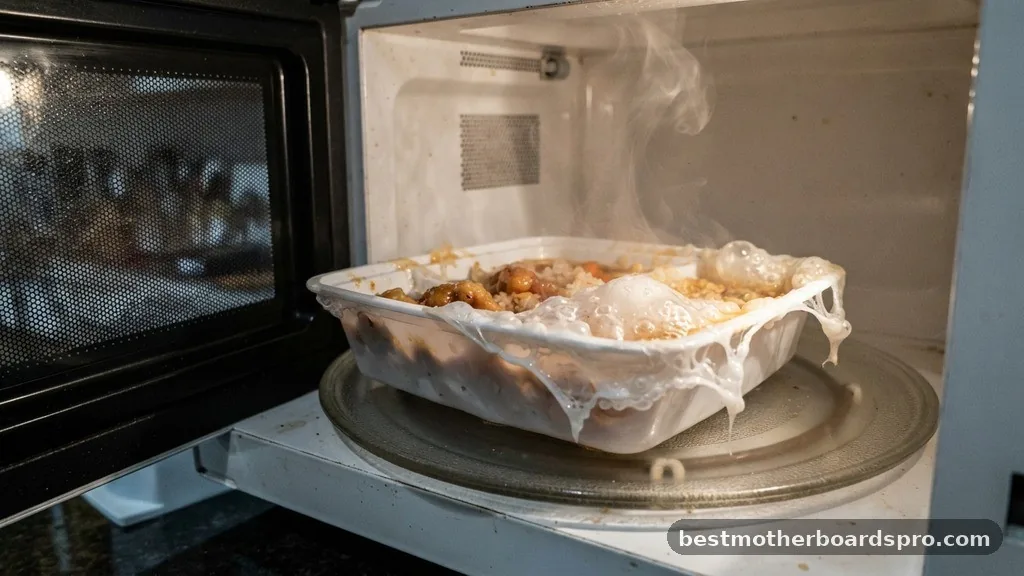
Many of us have wondered if we can put plastic in a microwave when we bring home leftovers in takeout containers. These vessels are typically designed for single-use purposes, such as holding food at room temperature or during transport. They are rarely engineered to handle the intense, concentrated heat of a microwave.
When you heat these thin, flexible containers, they often deform or melt. Even if they don’t melt visibly, the heat can cause the plastic to become brittle or release volatile compounds.
It is almost always better to move takeout food to a plate or a dedicated microwave-safe bowl. This simple step eliminates the guesswork and protects your health.
Signs Your Plastic Is Damaged
Even if a container is labeled as safe, it won’t last forever. Regular use in the microwave accelerates the breakdown of the material. You should inspect your containers periodically for signs of degradation.
- Surface Pitting: Small, crater-like holes indicate the plastic is breaking down.
- Discoloration: Staining that doesn’t wash off often suggests the plastic has absorbed food oils or dyes.
- Warping: Any change in the original shape means the container has exceeded its thermal limit.
- Texture Changes: If the surface feels tacky or unusually rough, the polymer chain has likely been compromised.
If you notice any of these signs, the container should be retired from microwave use. Using damaged items increases the likelihood of chemicals leaching into your food, even if the material was originally intended for high-heat applications.
Alternatives to Plastic for Heating
If you want to avoid the risks associated with plastic altogether, there are excellent alternatives. Glass and ceramic are inert materials, meaning they do not react with food or release chemicals when heated. These materials are naturally microwave-safe and do not degrade over time like plastics.
Pyrex or tempered glass containers are excellent for reheating leftovers. They are easy to clean, do not absorb odors, and you can see exactly what is happening to your food while it cooks. By switching to glass, you remove the stress of checking labels or worrying about whether you can put plastic in a microwave safely.
Topical Gaps: Addressing Common Misconceptions
A common area of confusion is whether the “microwave-safe” label is a government-regulated guarantee. In many jurisdictions, the term is self-regulated by manufacturers.
This means that while a company might perform tests to label their product as safe, the standards can vary between brands. This is why it is essential to prioritize the material type (like Polypropylene) over the marketing claims on the packaging.
Another gap in public knowledge is the role of fats and sugars. Microwaving foods high in fat or sugar can cause the temperature to exceed the limit that the plastic can handle, even if the container is labeled “microwave-safe.”
These foods can create “hot spots” that reach temperatures higher than the boiling point of water, potentially causing the plastic to melt locally. Always use glass for greasy or sugary foods to avoid this issue.
FAQ Section
Is it safe to microwave food in plastic for 30 seconds?
While short durations like 30 seconds are less likely to cause immediate damage, it still depends on the plastic type. If the container is not marked as microwave-safe, it is better to avoid the risk entirely and use a ceramic plate to prevent chemical transfer to your meal.
Can you microwave a plastic container with the lid on?
You should never microwave a container with the lid tightly sealed. Steam buildup can cause the container to warp or even explode. If you must use a lid, ensure it is vented or slightly ajar to allow pressure to escape safely during the heating process.
Does microwaving food in plastic cause cancer?
The link between microwaving plastic and cancer is a subject of ongoing research. While some chemicals used in plastics are linked to health risks, the primary concern is the migration of these substances into food. Using glass or ceramic is a simple way to eliminate this potential exposure.
Which plastics are definitely not safe for the microwave?
Any plastic that is not specifically labeled as microwave-safe should be avoided. Specifically, avoid using single-use items like thin takeout containers, yogurt tubs, or plastic wrap, as these are not designed to handle heat and can easily melt or leach harmful chemicals into your food.
Final Thoughts on Safe Heating
Navigating the world of kitchen plastics doesn’t have to be complicated. By sticking to high-quality materials labeled as microwave-safe and choosing glass or ceramic whenever possible, you significantly reduce any health risks associated with chemical migration. Always inspect your containers for signs of wear and avoid heating greasy or sugary foods in plastic vessels.
When you take the time to consider how you heat your meals, you ensure that your food remains pure and your kitchen practices remain safe. If you are ever in doubt about whether you can put plastic in a microwave, the best advice is to simply opt for a safer alternative like glass.