
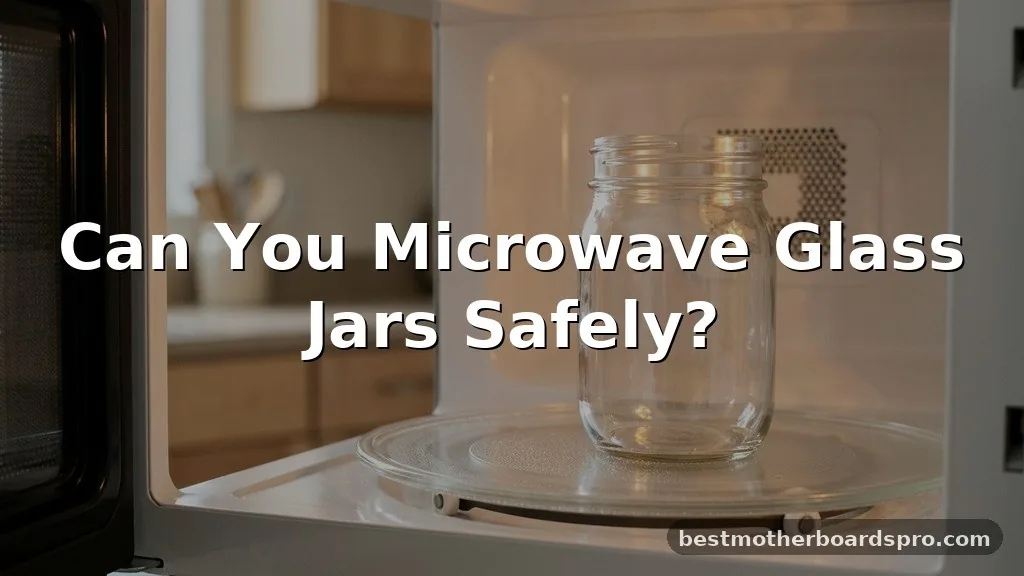
Determining whether you can microwave glass jars is a common household dilemma when you’re looking to reheat leftovers or melt ingredients quickly. While many people assume all glass handles heat well, the reality is more nuanced because not all vessels are manufactured to withstand rapid temperature fluctuations. Understanding the difference between tempered glassware and standard decorative containers prevents unexpected shattering and messy kitchen accidents.
By checking for specific markings and labels, you can confidently determine if your favorite storage jars are suitable for high-power heating cycles. This knowledge ensures your kitchen routine remains efficient while protecting your safety and your appliances from unnecessary damage.
Understanding Glassware Safety for Microwaves
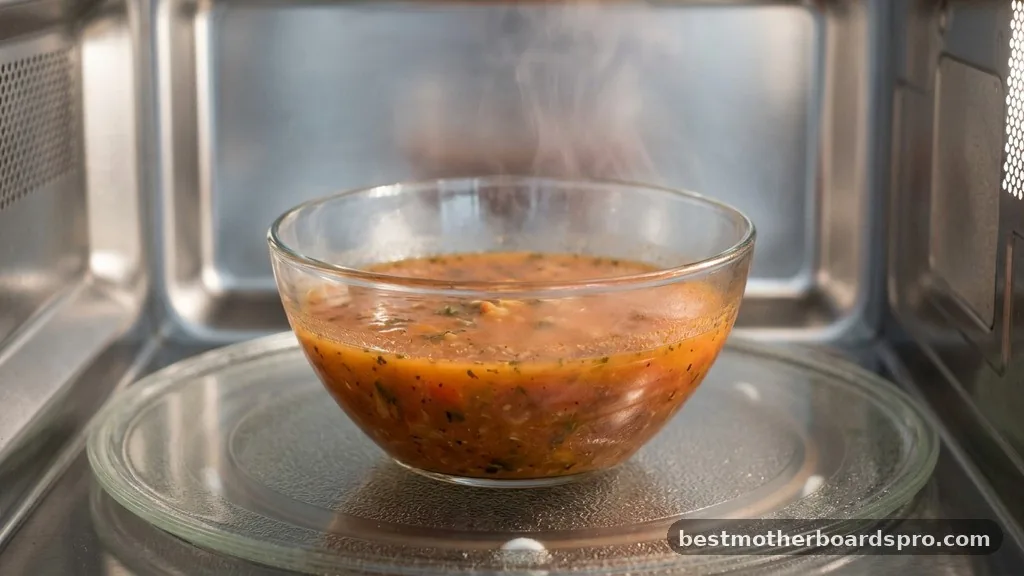
When you look at whether you can microwave glass jars, the primary factor isn’t just the material itself, but how that material reacts to thermal shock. Glass is a poor conductor of heat, meaning when one part of the jar heats up faster than another, the internal stress can cause the structure to fail. This is why some items explode or crack while others perform perfectly.
Most professional-grade kitchenware is designed to be heat-resistant, but many commercial food jars are intended for single-use purposes. These mass-produced containers are often made from thinner glass that isn’t reinforced for the extreme, uneven heating cycles common in modern microwave ovens.
The Role of Thermal Shock
Thermal shock occurs when a rapid change in temperature creates uneven expansion or contraction in the glass. If you take a jar directly from a cold refrigerator and place it into a hot microwave, the outer layer heats up significantly faster than the core. This stress often leads to immediate fracturing.
To minimize these risks, always allow cold items to reach room temperature before heating them. If you must reheat something from the fridge, consider using a lower power setting on your microwave to ensure a more gradual increase in heat.
How to Identify Microwave-Safe Glass
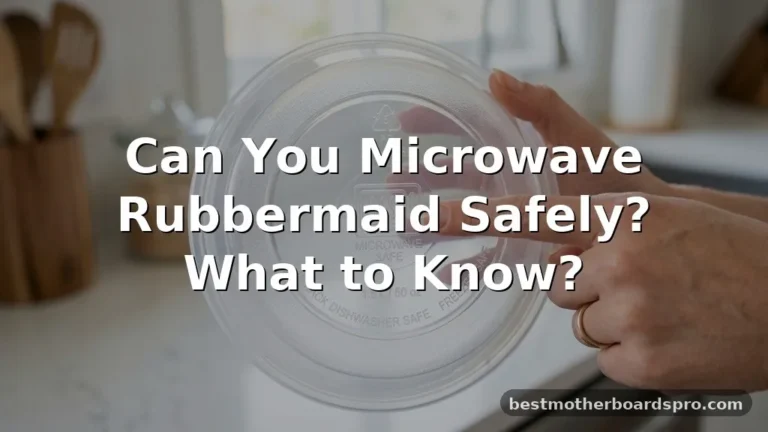
Before you commit to microwaving glass, you need to verify the integrity of the container. Manufacturers often include specific symbols on the bottom of the vessel that clarify its intended use. If you see a microwave icon—usually a square with wavy lines—you can generally proceed with confidence.
If the jar lacks any indicators, it is safest to assume it is not intended for the microwave. Many vintage jars, colored glass, or containers with intricate patterns were not manufactured with modern heating standards in mind. These items may contain metallic elements or inconsistent glass thickness that can lead to hazardous sparking or breakage.
| Feature | Microwave-Safe | Not Recommended |
|---|---|---|
| Markings | Microwave icon present | No labels or symbols |
| Material | Borosilicate (Pyrex-style) | Thin, decorative, or vintage |
| Metal | None | Metallic rims or paint |
| Condition | No chips or cracks | Visible scratches or fractures |
Common Hazards of Microwaving Unsafe Glass
Microwaving glass that isn’t designed for the task can lead to several dangerous scenarios. Beyond the simple loss of your food, you risk damaging the interior of your microwave or suffering from thermal burns caused by broken shards.
- Shattering: Sudden structural failure can send glass shards flying, which is a major safety hazard.
- Leaching: Some older glass or decorative coatings may release chemicals when subjected to intense heat.
- Appliance Damage: If a jar breaks, liquid and debris can seep into the microwave’s ventilation or electrical components.
- Uneven Heating: Glass that isn’t microwave-safe often heats the food unevenly, leading to cold spots where bacteria can survive.
Handling Mason Jars and Reusable Containers
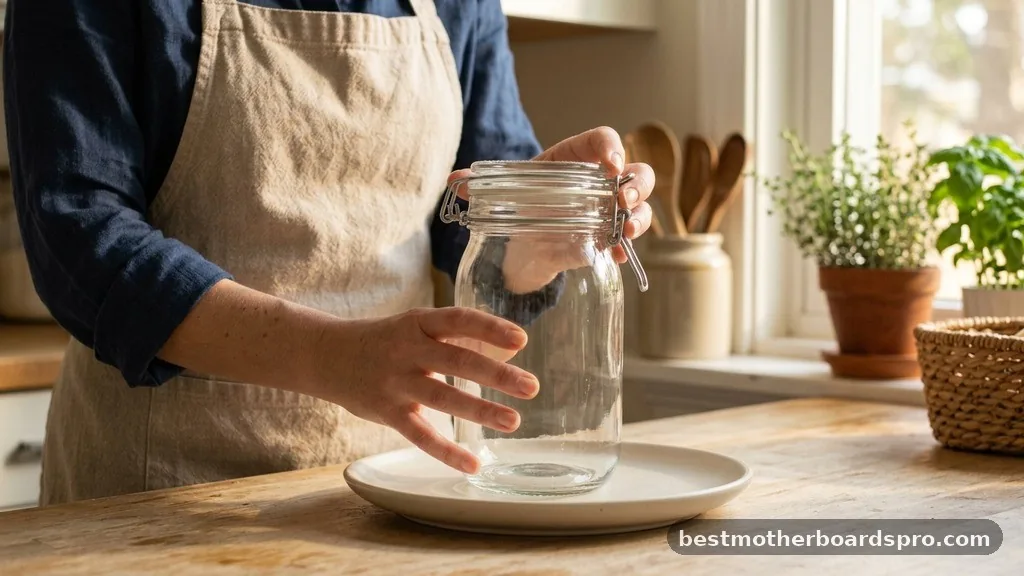
Mason jars are a popular choice for food storage because they are made of thicker, more durable glass. However, even these rugged containers have limits. While they are often used for canning, the process of heating them in a microwave is different from the canning process on a stove.
If you are using a mason jar, ensure you remove the metal lid entirely. Metal reflects microwave energy, which can cause arcing and fire. Furthermore, the vacuum seal created during canning can make the jar prone to pressure buildup if the contents are heated too quickly, potentially causing the jar to burst.
Topical Gaps: Addressing Specific Microwave Scenarios
Many users ask if it’s safe to microwave specific items like sauce jars or peanut butter containers. The answer often depends on the manufacturer’s original intent. Commercial jars used for pasta sauce are usually designed to withstand the heat of hot-filling, which makes them more resilient than a standard jam jar.
However, avoid microwaving jars that have any metallic paint or decorative gold rims. These materials react instantly to the electromagnetic fields, creating sparks that can ruin your microwave and pose a fire risk. Always inspect the jar for any hairline fractures as well; even a tiny scratch can act as a stress point where a crack will propagate under heat.
Best Practices for Heating Food in Glass
When you decide to proceed with heating, follow these simple steps to ensure the best results. Consistency is key to preventing accidents and ensuring your food is heated thoroughly.
First, remove any labels or adhesive residues. These materials can burn and produce unpleasant odors or smoke.
Second, always keep the lid off. Even if the lid is plastic and marked as safe, pressure can build up inside the jar, leading to a “pop” or explosion when you finally open it.
If you are heating dense foods like thick sauces or soups, stir them periodically. Since glass doesn’t conduct heat well, the outer edges of the food will heat up long before the center. Stirring redistributes the heat and prevents the glass from experiencing localized stress.
FAQ
Can I microwave a glass jar of pasta sauce?
Yes, you can typically microwave a commercial pasta sauce jar, provided it is free of any metal lids or gold-leaf decorations. Ensure you remove the lid entirely and stir the sauce halfway through the heating cycle to prevent uneven heat distribution and potential glass stress.
Is it safe to microwave a glass mason jar?
Mason jars are generally thicker than standard glass, making them more resistant to heat. However, you must always remove the metal ring and lid before microwaving. Avoid taking them straight from a freezing environment into a hot microwave to prevent sudden thermal shock and breakage.
Why do some glass containers spark in the microwave?
Sparking usually occurs when the glass contains metallic components, such as decorative gold or silver rims, or when there are metallic residues on the surface. If you see sparks, stop the microwave immediately, as this indicates the container is not suitable for use and could cause damage.
Can I microwave colored glass jars?
It is generally best to avoid microwaving colored glass. Many colored jars use metallic oxides or specialized coatings that may not be microwave-safe. These additives can react to the microwave’s energy, causing the glass to heat unevenly, crack, or even release chemicals into your food.
Final Thoughts on Microwave Safety
Knowing whether you can microwave glass jars is a matter of reading labels and respecting the physical limitations of your containers. While thick, high-quality glassware often handles the task with ease, you should always prioritize safety by checking for the microwave-safe symbol and avoiding any items with metallic accents. If you ever feel uncertain about a specific jar, it is far better to transfer your food to a certified microwave-safe bowl.
By following these guidelines, you keep your kitchen functioning smoothly while enjoying the convenience of quick, efficient reheating. Should you have any doubts about a particular container, err on the side of caution and opt for a proven, heat-resistant alternative.