
Knowing exactly how long to heat water in a microwave for tea saves you time during your morning rush. While an electric kettle or a stovetop pot is the traditional route, many of us reach for the microwave for a quick, single cup. The process seems simple, but getting the temperature right—without causing a mess or risking a superheated burn—requires a bit of technique.
When you master the timing and safety steps, you can enjoy a perfect brew in just a couple of minutes. This guide walks you through the best practices to ensure your water reaches the ideal temperature for your favorite blend every single time.
Safety First: Preventing Superheating
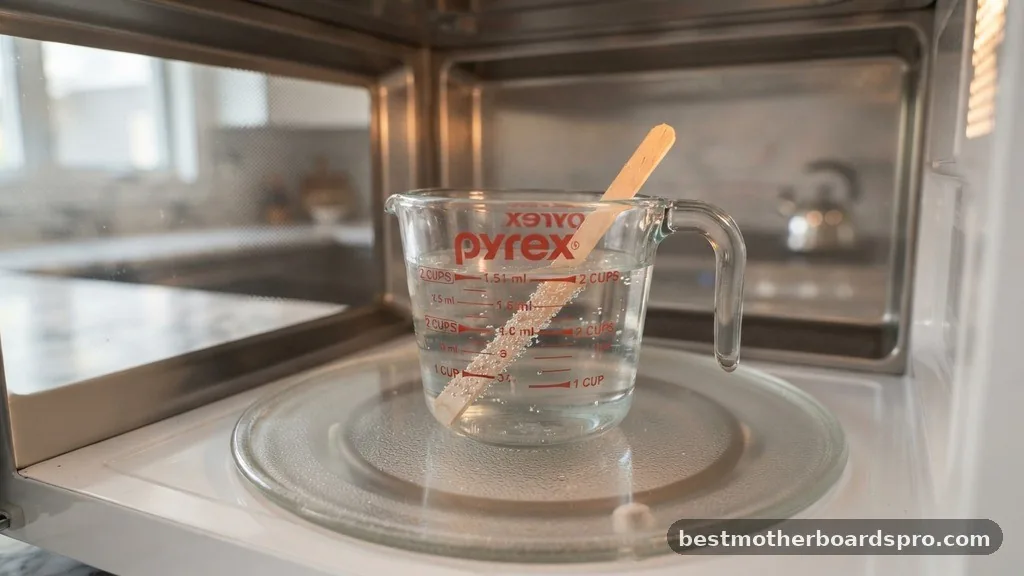
The biggest risk when you heat water in a microwave isn’t the radiation; it’s a phenomenon called superheating. This happens when water is heated in an incredibly smooth container, like a brand-new ceramic mug, without any nucleation points for bubbles to form.
The water temperature exceeds its boiling point, but it remains perfectly still. If you then drop in a tea bag or a spoon, the sudden disturbance can cause the water to erupt violently, potentially causing burns.
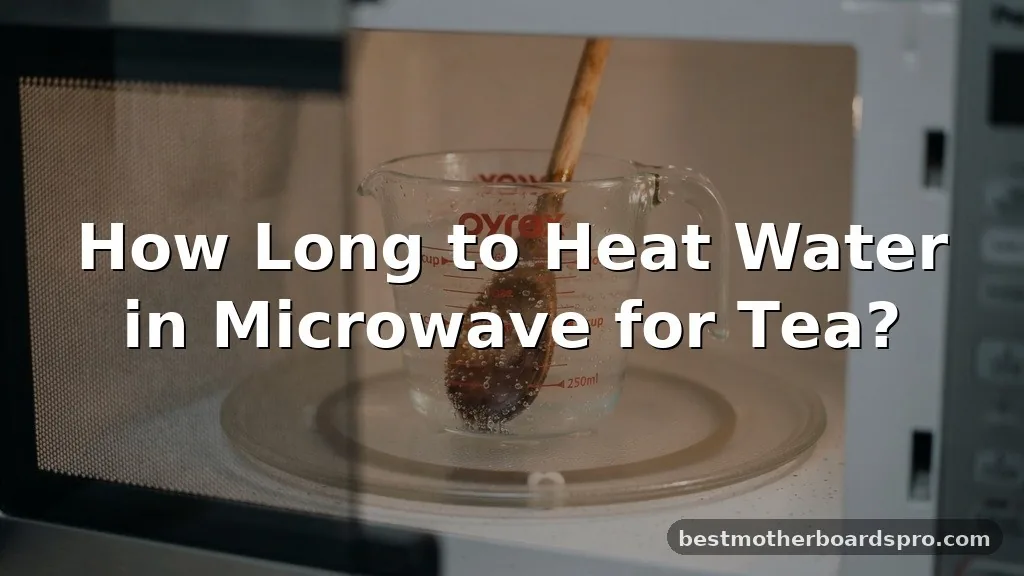
To avoid this, always place a non-metallic object in the water while it heats. A wooden stirrer or a chopstick provides the necessary surface area for bubbles to form, breaking the surface tension.
Never use metal utensils in the microwave, as these can cause arcing and damage your appliance. By simply adding a wooden stick, you neutralize the risk of superheating entirely.
General Timing Guidelines
Determining how long to heat water in a microwave for tea depends heavily on the wattage of your appliance and the starting temperature of the water. Most home microwaves operate between 700 and 1200 watts. For a standard 8-ounce cup of room-temperature water, a high-power setting typically requires about 90 seconds to two minutes to reach a near-boil.
If you have a lower-wattage microwave, you might need to add an extra 30 seconds to your timer. It is always better to start with a shorter duration and check the temperature than to let it run too long. If the water isn’t hot enough, you can always pop it back in for another 20 seconds.
| Microwave Wattage | Estimated Time (8oz Cup) | Resulting Temperature |
|---|---|---|
| 700W | 2:00 – 2:30 minutes | Hot/Steaming |
| 1000W | 1:30 – 1:45 minutes | Near Boiling |
| 1200W+ | 1:00 – 1:20 minutes | Rolling Boil |
Matching Temperature to Tea Types
Not every tea requires a rolling boil. In fact, pouring boiling water over delicate leaves can scorch them, leading to an overly bitter cup. Understanding the heat requirements for your specific tea bag or loose-leaf blend will significantly improve the flavor profile of your drink.
- White Tea: Needs cooler water, around 175°F (80°C). Heat for about 60 to 75 seconds.
- Green Tea: Similar to white tea, it prefers 175°F to 180°F. Stop the microwave before you see heavy steam.
- Oolong Tea: Requires a slightly higher temperature, around 190°F (88°C). Aim for 90 seconds.
- Black Tea & Herbal Infusions: These need a true boil, ideally 200°F to 212°F. A full two minutes is usually appropriate.
Addressing Common Myths and Concerns
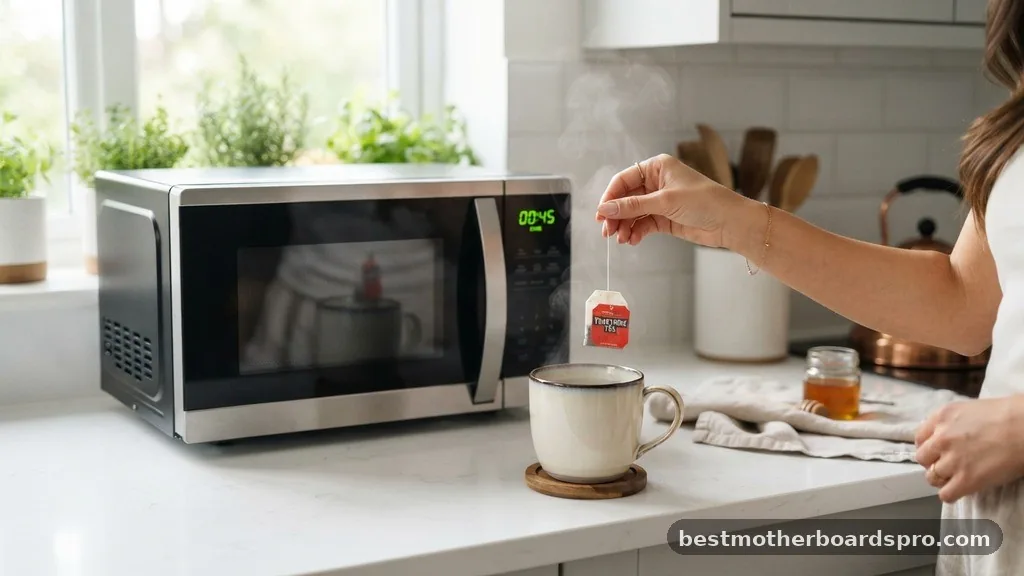
There is a lot of misinformation regarding whether you should boil water in a microwave. Some people claim that microwave heating alters the molecular structure of the water or depletes it of oxygen.
Scientifically, there is no evidence to support the idea that microwave heating makes water unhealthy. As long as you use a microwave-safe container, you are simply agitating the water molecules to create heat, which is the same physical process as a stovetop burner, just delivered through a different mechanism.
The primary concern should always be the container itself. Always check the bottom of your mug for a “microwave safe” stamp.
Avoid using older ceramics that might have metallic paint or glazes, as these can chip or release chemicals when exposed to high heat. Glass or high-quality, plain ceramic mugs are your best options for a safe, clean-tasting cup of tea.
The Importance of the Container
The vessel you choose plays a massive role in how efficiently the microwave transfers energy to the water. Thick, heavy ceramic mugs take longer to heat because the microwave energy must first heat the clay before it affects the water inside. Conversely, a thin-walled glass cup allows the waves to pass through more easily, resulting in faster heating times.
If you find that your water is lukewarm after two minutes, check your container. If it feels extremely hot to the touch while the water inside is only warm, your mug is absorbing the energy that should be going into the water. Switching to a different material or a thinner vessel can shave precious seconds off your wait time.
Troubleshooting Your Microwave Tea Routine
If you find that your water consistently turns out “off” in taste, it might be due to the water source or the lack of aeration. Water that has been boiled repeatedly can taste flat because the oxygen has been driven out.
Try to use fresh, cold water every time you prepare a cup. If you are heating a large volume of water, such as a full 16-ounce mug, remember that you will need to increase your heating time by roughly 50 to 70 percent compared to a standard 8-ounce cup.
Always keep an eye on the microwave during the last 30 seconds of the cycle. If you see the water beginning to bubble aggressively, hit the stop button early. You don’t need a violent, prolonged boil to steep a tea bag effectively; a gentle, steady heat is usually sufficient to extract the essential oils and tannins from the leaves.
FAQ
Is there a health difference between microwaved and boiled water?
No, there is no significant health difference. Both methods simply increase the kinetic energy of water molecules to generate heat. The microwave does not make the water radioactive or chemically change its composition, provided you use a safe, non-toxic container that doesn’t leach materials into your drink.
Why does my water explode when I add a tea bag?
This is called superheating. It occurs when water is heated beyond its boiling point without forming bubbles, often in a very smooth mug.
When you introduce the tea bag, the surface tension breaks instantly, causing a sudden, violent release of steam. Always use a wooden stirrer to prevent this.
Can I microwave tea with the bag already in the water?
It is generally better to heat the water first and add the tea bag afterward. Microwaving the tea bag directly can lead to uneven extraction, where some parts of the leaves get scorched while others remain under-steeped. Heating the water to the perfect temperature first ensures a more balanced flavor.
How do I know if my mug is safe to use?
Look for a microwave-safe label on the bottom of the mug. Avoid any containers with metallic trim, gold leaf, or unknown glazes, as these can spark or leach chemicals. If the mug becomes extremely hot to the touch after a minute, it is likely absorbing the energy instead of the water.
Final Thoughts on Microwave Brewing
Mastering the process of how long to heat water in a microwave for tea is all about understanding the relationship between your specific appliance and your preferred mug. By keeping safety in mind, particularly regarding superheating, and selecting the right duration for your specific tea variety, you can achieve a result that rivals the quality of a stovetop kettle. Remember to use fresh water and a reliable, microwave-safe vessel to ensure the cleanest taste.
Whether you are preparing a quick morning black tea or a delicate green tea for an afternoon break, the microwave is a perfectly capable tool when used with a little bit of care. Experiment with your own settings to find that perfect balance, and enjoy your perfectly brewed cup.