
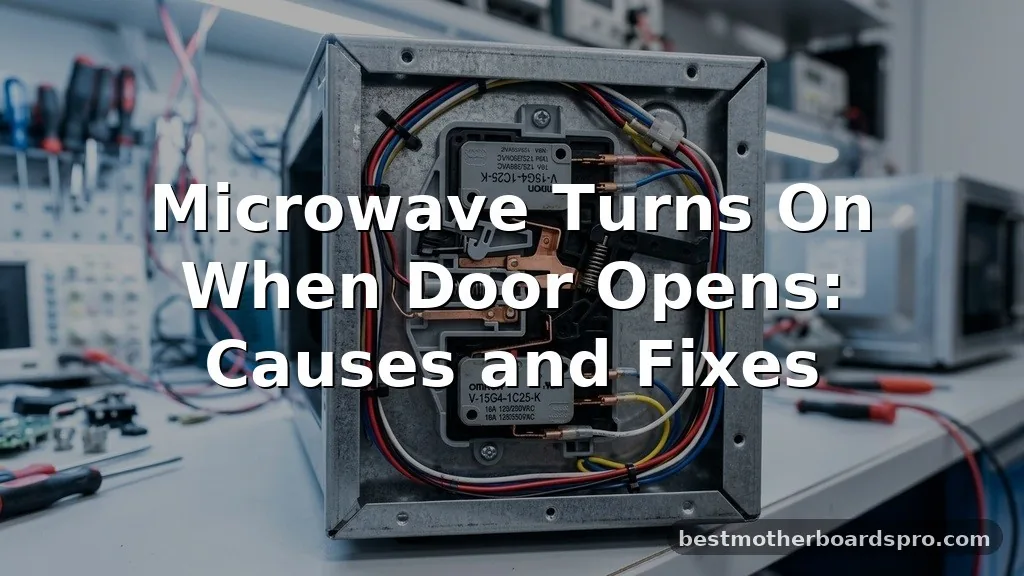
Discovering that your kitchen appliance is acting erratically can be startling, especially when you find that your microwave turns on when door opens. This behavior contradicts the standard safety protocols designed into every unit, which are meant to ensure the magnetron only engages when the door is securely latched.
When you notice this malfunction, it is not just an inconvenience; it represents a potential failure of the internal safety switches that regulate power. By understanding why this happens, you can determine whether your unit requires a simple adjustment, a replacement part, or professional service to keep your kitchen environment safe and functional.
Understanding the Safety Interlock Mechanism
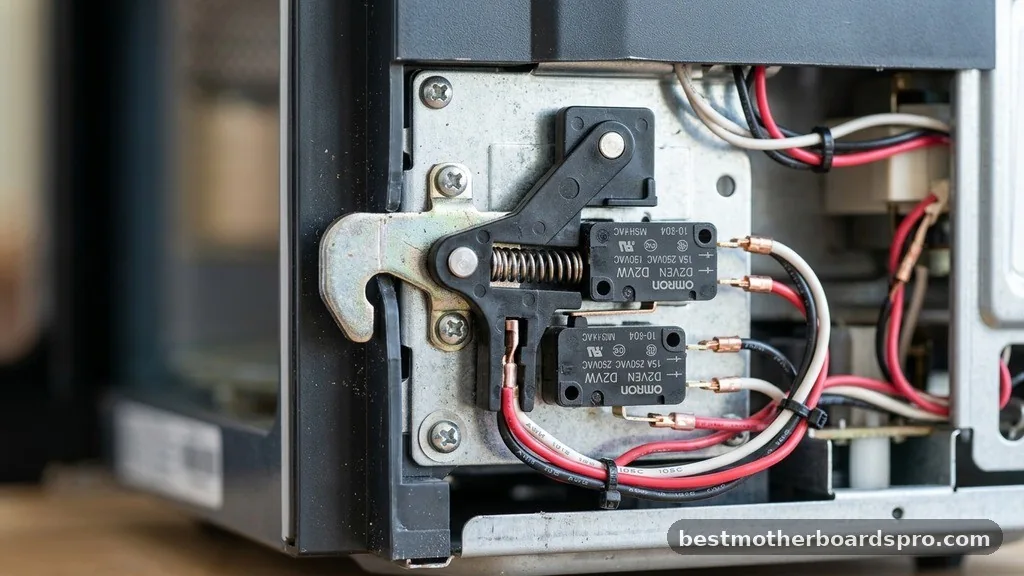
The primary reason a microwave remains dormant until the door is closed involves a series of safety interlock switches. These components act as a physical gatekeeper for the high-voltage power supply.
When you shut the door, the door hooks engage with these switches, signaling to the control board that it is safe to initiate operation. If the microwave turns on when door opens, it implies that the mechanical linkage or the electrical switches themselves have failed.
These switches are designed to be redundant. Most units utilize at least three distinct switches: a primary interlock, a secondary interlock, and a monitor switch. The monitor switch is particularly critical because if the primary switches fail in a closed position, the monitor switch is designed to blow a fuse, effectively cutting all power to the unit to prevent it from running with the door ajar.
Common Causes for Malfunctioning Door Switches
When your appliance engages unexpectedly, the culprit is often mechanical fatigue or a buildup of debris. Over years of use, the plastic door latches can wear down, preventing them from cleanly disengaging the power when you pull the door handle. If the latch is loose, the switch might remain in the “closed” position even after you have physically opened the door.
Another frequent issue involves the accumulation of grease and food particles around the door frame. If the hinge pins are sagging, the alignment of the door becomes compromised.
This misalignment prevents the safety switches from resetting properly. You might notice that the light stays on or the fan continues to run, indicating that the control board still perceives the door as being in the closed position.
- Worn or broken plastic door latch hooks.
- Misaligned door hinges causing the latch to stick.
- Failed or stuck microswitches behind the control panel.
- Control board relay failure causing phantom power cycles.
- Accumulated debris preventing the switch plunger from extending.
Evaluating the Risks of Operating a Faulty Microwave
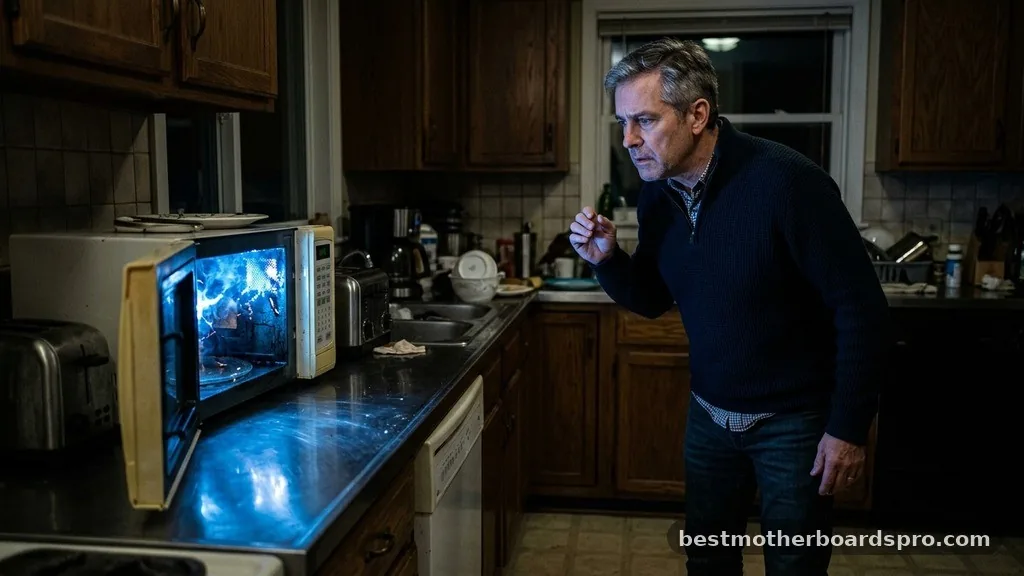
You should never attempt to use a unit that shows signs of erratic behavior, especially if the microwave turns on when door opens. The internal magnetron is responsible for generating the electromagnetic radiation required to heat food. If the safety system is bypassed, that energy could theoretically be released into the room while the door is open.
While most modern units have secondary fail-safes, relying on a failing safety system is dangerous. The electromagnetic leakage can interfere with other electronics and, more importantly, poses a health risk to anyone standing nearby. If your unit is displaying this specific symptom, the safest course of action is to disconnect the power supply immediately by unplugging it from the wall outlet.
| Symptom | Potential Cause | Recommended Action |
|---|---|---|
| Light stays on when door is open | Stuck door switch | Clean switch area or replace switch |
| Fan runs when door is open | Faulty control relay | Professional diagnostic required |
| Unit starts cooking when door opens | Major interlock failure | Unplug and discontinue use |
Troubleshooting and Repair Considerations
If you are comfortable with basic appliance repair, you can start by inspecting the door latches. Look for cracks or signs of stress on the plastic hooks that extend from the door. If these hooks are damaged, they may not be depressing the switches fully, or conversely, they may be stuck in the depressed position.
Before inspecting the internal switches, always ensure the unit is unplugged. The high-voltage capacitor inside a microwave can hold a lethal charge even after the power is disconnected.
This is why many manufacturers strongly advise against DIY repairs for the internal interlock system. If you cannot identify a clear mechanical issue with the door latch, the problem likely lies within the switch housing, which requires specialized tools to access safely.
Addressing Topical Gaps in Microwave Safety
Many users wonder if a software glitch could be the cause of their microwave turns on when door opens issue. While rare, modern smart microwaves rely on firmware to manage the power cycle.
If the control board experiences a surge, it can sometimes latch the power relay in the “on” position. However, this is almost always accompanied by a physical failure of the mechanical interlock.
Another gap in common knowledge involves the “monitor switch” function. Many people believe the microwave is broken if it blows a fuse immediately upon closing the door. In reality, this is often the monitor switch doing its job correctly.
It detects that the primary switches are faulty and sacrifices the fuse to prevent the unit from operating in an unsafe state. If you find your microwave blows fuses whenever you close the door, do not simply replace the fuse—you must address the underlying switch failure.
FAQ
Is it safe to keep using a microwave that turns on when the door is open?
No, it is not safe. Operating a microwave with a compromised safety interlock is extremely dangerous.
It creates a risk of radiation leakage and potential fire hazards. You should immediately unplug the unit and stop using it until a qualified technician has performed a thorough safety inspection.
Can I fix a stuck door switch myself?
While you can inspect the door latch for debris or physical damage, replacing the internal microswitches is high-risk. Microwave capacitors store enough electricity to cause severe injury or death even when unplugged. Unless you are trained in high-voltage appliance repair, it is best to hire a professional.
What does it mean if the fan stays on after I open the door?
If the fan or interior light remains on while the door is open, the control board is likely receiving a signal that the door is still closed. This usually indicates a stuck or faulty door interlock switch that needs to be replaced to restore the proper power cycle.
How do I know if my microwave is beyond repair?
If the cost of the replacement switches, labor, and potential control board repairs exceeds the value of the unit, it is often more economical to replace it. Additionally, if the frame of the microwave is bent, the door may never align correctly again, making it permanently unsafe to operate.
Conclusion
Dealing with a microwave turns on when door opens is a clear signal that your appliance’s safety systems have failed. Because these units rely on precise mechanical and electrical synchronization to prevent radiation leakage, any deviation from normal operation should be treated with extreme caution. Start by checking for simple obstructions like food residue or misaligned hinges, but do not hesitate to disconnect the power permanently if the issue persists.
Prioritizing your safety is essential when handling high-voltage kitchen appliances. If you find that the door latches are damaged or the internal switches are failing to reset, contact a certified technician to assess whether a repair is viable.
Maintaining a properly functioning interlock system ensures your kitchen remains a safe space for your daily cooking needs. If you have any further questions about your specific model, reaching out to the manufacturer’s support team is often the best next step.