
Deciding whether it is safe to defrost chicken in the microwave often feels like a gamble when you are pressed for time. Many home cooks find themselves staring at a frozen block of poultry, wondering if they can safely accelerate the process without compromising food safety. While the microwave is undeniably fast, it can create uneven temperatures that encourage bacterial growth if not handled correctly.
Understanding the nuances of this method ensures that your meal remains both delicious and free from harmful pathogens. By following specific, proven techniques, you can effectively bypass the long wait times of traditional thawing while keeping your kitchen environment secure and your ingredients in prime condition for cooking.
Understanding the Safety Risks
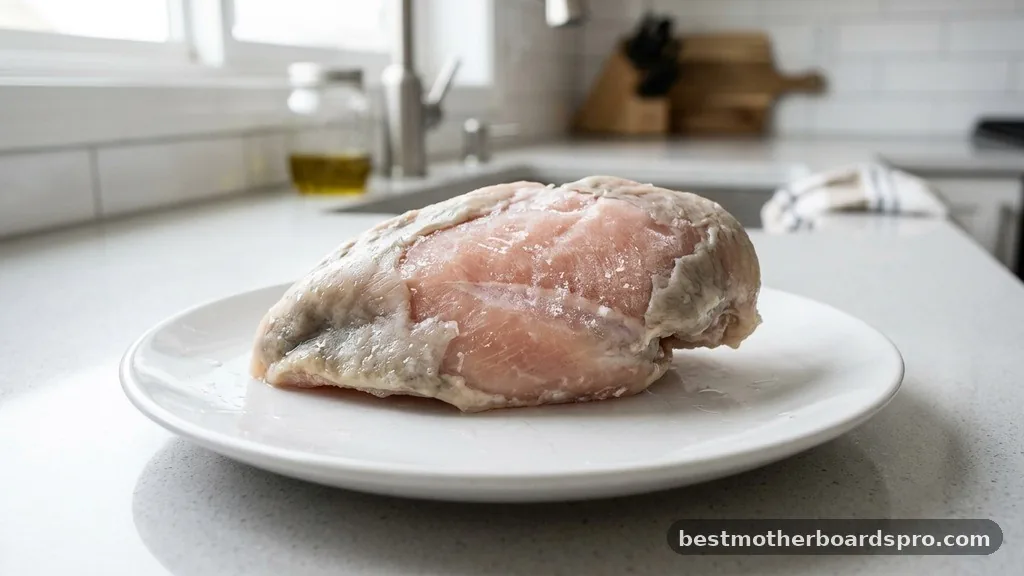
The primary concern when using a microwave for poultry is the “danger zone.” Bacteria thrive in temperatures between 40°F and 140°F.
Because microwaves heat food by vibrating water molecules rather than applying uniform thermal energy, the edges of the chicken often begin to cook while the center remains frozen. This creates a scenario where parts of the meat reach the temperature range where bacteria multiply rapidly.
If you leave these warm spots unaddressed, you risk contaminating the entire piece of protein. Furthermore, the quick nature of microwave thawing means you must transition the meat directly to the heat source immediately. Letting defrosted chicken sit on the counter while you prep other ingredients is a recipe for trouble.
Step-by-Step Procedure for Microwave Thawing
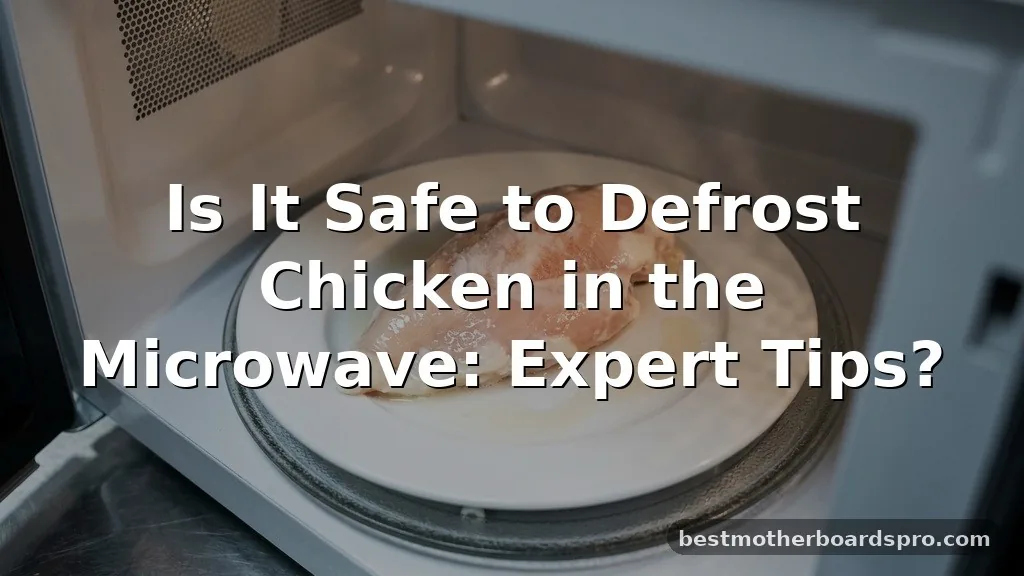
If you need to move quickly, you can safely thaw poultry by following a strict protocol. Consistency is key to preventing the meat from reaching unsafe temperatures. Always remove the original packaging before placing the chicken in the microwave, as standard plastic wraps and foam trays are not designed to withstand microwave heat and may leach chemicals into your meal.
- Remove the chicken from all store-bought packaging, including the absorbent pad.
- Place the chicken on a microwave-safe plate or in a glass bowl to catch any juices.
- Use the “defrost” setting or set your power level to 30% or 50% rather than full power.
- Thaw in short, controlled intervals, typically one to two minutes at a time.
- Flip or rotate the meat frequently to ensure the heat distributes as evenly as possible.
- Check the texture and temperature periodically to ensure the meat isn’t accidentally cooking.
Comparing Thawing Methods
Choosing the right approach depends on how much time you actually have available. While the microwave is the fastest, it is not always the best for the final texture of the meat. Other methods are often more reliable for maintaining the structural integrity of the chicken.
| Method | Time Required | Safety Level | Best Used For |
|---|---|---|---|
| Microwave | 5–10 minutes | Moderate | Immediate cooking |
| Cold Water | 30–60 minutes | High | Same-day prep |
| Refrigerator | 12–24 hours | Highest | Planned meals |
Addressing Common Misconceptions
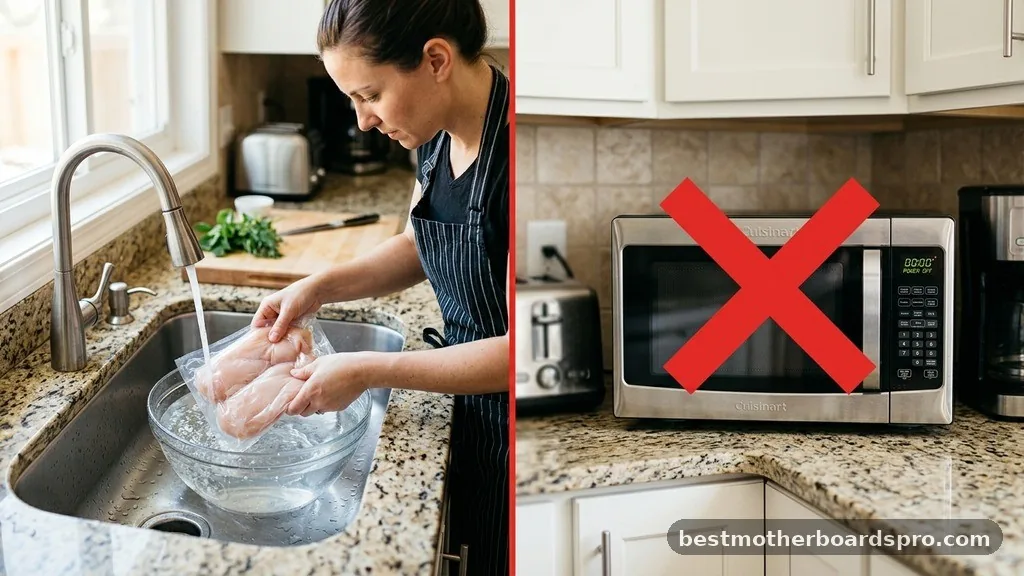
Many people believe that if the chicken feels cold to the touch, it is still safe from bacteria. This is a dangerous assumption. Pathogens do not always change the smell or appearance of the meat, which is why temperature control is the only reliable metric.
Another common mistake is assuming that “defrosting” is the same as “cooking.” Even if the microwave makes the meat feel warm, it is likely still raw inside and potentially teeming with bacteria that only a high-heat cooking process can neutralize.
You should never use the microwave to thaw large, whole chickens. These items are too dense to heat evenly, meaning the wings and breast meat will likely be fully cooked or rubbery before the center of the bird has even begun to thaw. Stick to smaller cuts like boneless breasts or tenders for this method.
The Importance of Immediate Cooking
The most critical rule regarding microwave thawing is that you must cook the meat immediately. Once the microwave cycle is complete, the internal temperature of the chicken has likely entered the danger zone. If you delay, you provide a perfect environment for bacterial proliferation.
If you find yourself with an unexpected schedule change, it is better to leave the chicken in the fridge to thaw safely than to microwave it early and leave it sitting out. The microwave should be viewed as a final-resort tool for when you are starting your meal prep right away. If you have any doubt about the state of the meat after it has been in the microwave, it is safer to discard it than to risk a foodborne illness.
Maximizing Food Safety
Beyond the microwave, maintaining a clean workspace is essential. Always wash your hands, the microwave interior, and any surfaces that came into contact with the raw chicken juices.
Cross-contamination is a leading cause of kitchen-related health issues. Using a dedicated bowl for thawing helps contain the liquid, but deep-cleaning the microwave tray afterwards is a necessary precaution.
If you are pregnant, elderly, or cooking for those with compromised immune systems, it is highly recommended to stick to the refrigerator method. The extra time required to thaw chicken in the fridge is a small price to pay for the peace of mind that comes with superior food safety standards.
FAQ
Can I microwave chicken in its original plastic packaging?
No, you should never microwave chicken in its original packaging. Store-bought trays and plastic films are not intended for high heat and can melt or release harmful chemicals into your food. Always transfer the meat to a clean, microwave-safe dish before starting the process.
What should I do if the chicken starts cooking in the microwave?
If the edges of the chicken start to turn white or appear cooked, stop the microwave immediately. This indicates the power level is too high or the pieces are too thin. Flip the chicken, allow it to rest for a moment, and continue thawing on a lower power setting.
Is it safe to refreeze chicken after microwave thawing?
You should not refreeze chicken that has been thawed in the microwave. The process often brings the meat to temperatures that encourage bacterial growth. To ensure safety, you must cook the chicken thoroughly immediately after it has been defrosted using this specific method.
How do I know if the chicken is fully defrosted?
The chicken is ready when it is pliable and no longer contains ice crystals in the thickest parts of the meat. Use your fingers to gently press the center; if it feels soft and flexible, it has been successfully thawed and is ready for your pan or oven.
Final Thoughts on Safe Thawing
Determining if it is safe to defrost chicken in the microwave comes down to speed versus vigilance. While this method is a functional solution for busy schedules, it requires your full attention to ensure the meat doesn’t linger in the danger zone. By using low power settings, rotating the meat frequently, and moving straight to the stove, you can enjoy your meal without unnecessary health risks.
If you have the luxury of time, the refrigerator remains the gold standard for quality and safety, but for those crunch-time moments, the microwave is a helpful tool when managed with care. Keeping your kitchen surfaces sanitized and your cooking processes consistent will always be the best way to protect your health while preparing your favorite poultry dishes.