
Learning how to cook oats in microwave ovens is a skill that saves time during busy mornings while ensuring you get a nutritious start to the day. Many people struggle with consistency, often ending up with a bowl that boils over or oats that remain unpleasantly chewy. By understanding the interaction between liquid ratios and microwave power levels, you can achieve a creamy, perfect texture every single time.
This approach removes the need for constant stovetop monitoring, allowing you to prepare a hearty meal in just a few minutes. Whether you prefer quick-cooking or rolled varieties, mastering this technique is entirely achievable with a few simple adjustments to your routine.
Choosing the Right Type of Oats
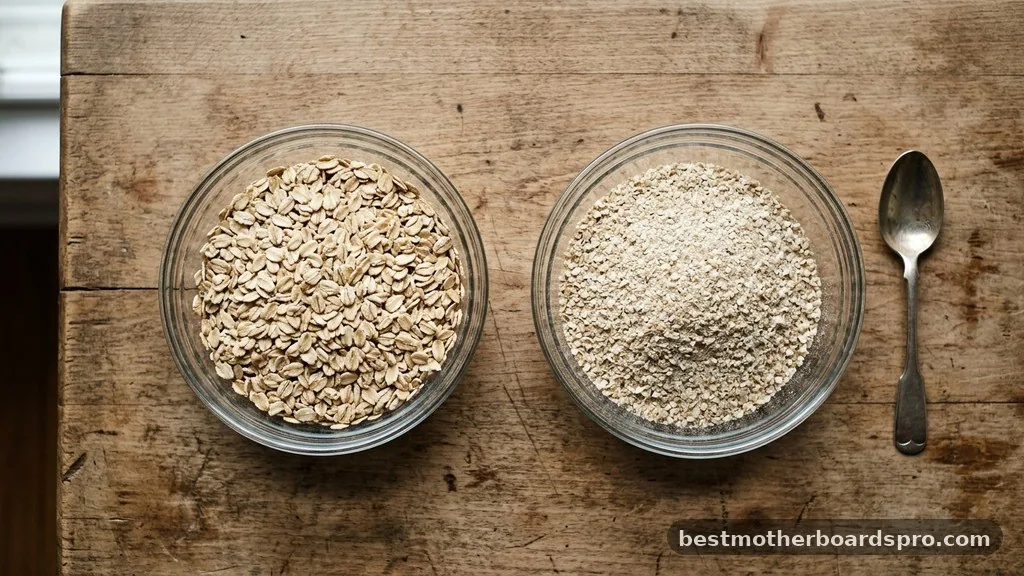
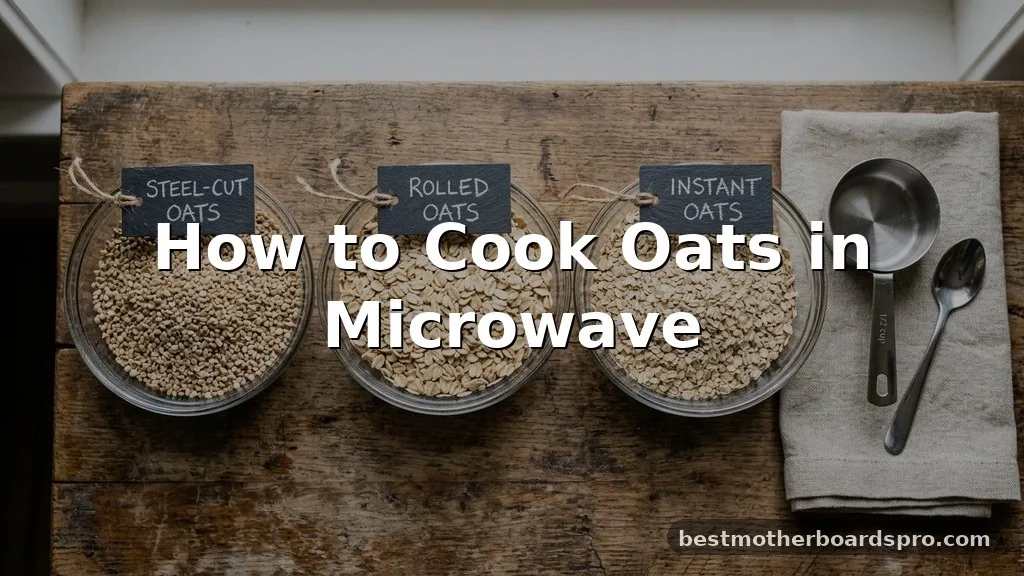
Not all grains are created equal when it comes to microwave preparation. Rolled oats, often called old-fashioned oats, are the most common choice because they absorb liquid efficiently and soften quickly. Instant varieties are even faster, though they may have a softer, mushier texture.
If you decide to use steel cut oats, you must be aware that they require significantly more time and liquid to soften properly. Because they are less processed, these hearty grains maintain a chewy bite even after heating.
- Rolled Oats: The standard choice for a creamy, balanced texture that cooks in about 2-3 minutes.
- Instant Oats: Highly processed and thin, these are ideal for a rapid breakfast but can become gummy if overcooked.
- Steel Cut Oats: These require a longer cooking time and often benefit from a pre-soak to ensure the center isn’t too firm.
The Ideal Liquid Ratios
The secret to success lies in the ratio of liquid to grains. A standard starting point is two parts liquid to one part oats. If you prefer a thinner porridge, you can increase the liquid slightly.
Conversely, if you enjoy a thick, dense bowl, reduce the amount of water or milk by a small margin. Using milk instead of water adds a richer flavor and extra protein, though it is more prone to bubbling over than water.
| Oat Variety | Liquid Ratio | Estimated Time |
|---|---|---|
| Instant Oats | 1:1 | 60-90 seconds |
| Rolled Oats | 2:1 | 2-3 minutes |
| Steel Cut Oats | 3:1 | 5-7 minutes |
Preventing the Microwave Mess
One of the most frustrating aspects of heating grains is the dreaded boil-over. This happens when the starch in the grain expands and creates a thick foam that spills over the sides of the bowl. To prevent this, always use a bowl that is significantly larger than the volume of your mixture.
A deep ceramic bowl provides enough headspace for the oats to rise without escaping the container. Additionally, you should heat the mixture in shorter intervals, stirring in between to release trapped steam and manage the foam.
Enhancing Flavor and Nutrition
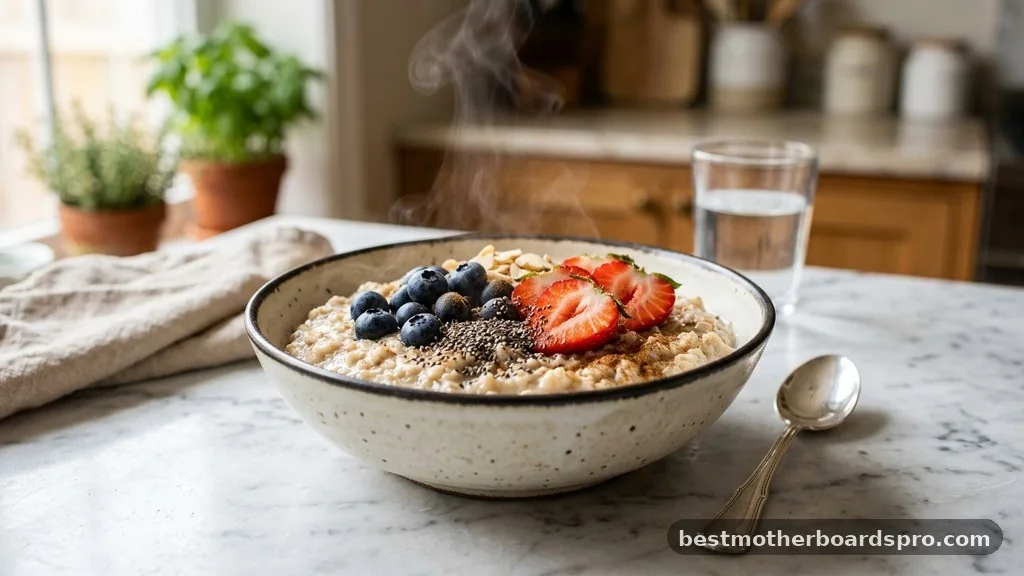
Plain oats are a blank canvas. Adding a pinch of salt before you start cooking is essential, as it helps bring out the natural nuttiness of the grain. After the timer goes off, you can stir in various toppings to increase the protein content and overall flavor profile.
Nut butters, seeds, or a dollop of Greek yogurt are excellent ways to transform a simple bowl into a balanced meal. Always add fresh fruits or delicate toppings after the heating process is complete to maintain their texture.
Addressing Common Cooking Challenges
Many beginners encounter issues that lead to less-than-ideal results. If your oats seem too dry, you likely used too little liquid or the power setting was too high. If they are too watery, try letting them sit for one minute after the microwave stops.
This rest period allows the remaining liquid to be fully absorbed by the grain. If you are struggling with the texture of steel cut oats, try adding a splash of water halfway through the process to keep them from drying out before they are fully tender.
Customizing Your Morning Bowl
Experimenting with different liquids and add-ins allows you to tailor your breakfast to your specific preferences. Some people swear by using a mix of half water and half milk to balance creaminess with a lighter finish. Others prefer to stir in spices like cinnamon or nutmeg before the cooking begins.
These additions infuse the grain with flavor throughout the process. Don’t be afraid to try different combinations, as this is the best way to determine your perfect consistency.
Frequently Asked Questions
Can I use a smaller bowl to save space?
It is best to avoid small bowls when cooking grains. Because oats foam up significantly as they heat, a small container will almost certainly cause a spillover in your microwave. Always choose a large, deep bowl to allow for the expansion of the mixture during the heating process.
How do I stop the milk from bubbling over?
Milk contains proteins and sugars that create a stable foam, making it prone to boiling over. To minimize this, use a large bowl, reduce the power level to 70 percent, and cook in shorter 30-second bursts. Stirring between each burst helps deflate the foam before it overflows.
Is it possible to overcook microwave oats?
Yes, it is possible to overcook them, resulting in a glue-like consistency. If you find your oats are becoming too mushy, reduce the total cooking time by 30 seconds. Different microwaves have varying power outputs, so you might need to adjust the timing based on your specific appliance’s performance.
Should I cover the bowl while cooking?
Covering the bowl can help trap steam and cook the oats more evenly, but it also increases the risk of a messy spill. If you choose to use a microwave-safe cover, ensure it is vented to allow steam to escape, and keep a close eye on the bowl while it heats.
Mastering Your Morning Routine
Learning how to cook oats in microwave settings is a highly effective way to simplify your morning. By focusing on the correct liquid ratios and choosing a bowl large enough to prevent mess, you can create a satisfying, healthy breakfast in just a few minutes. Whether you are using rolled, instant, or steel cut varieties, the key is to monitor the heat and stir the mixture to ensure an even texture.
Start with these basic techniques, then feel free to incorporate your favorite proteins and flavorings to make the meal your own. With a little practice, this quick method will become a staple in your kitchen, helping you maintain a consistent and nutritious start to your day.