
Finding out whether you can use parchment paper in the microwave is a common concern for home cooks who want to keep their appliances clean while reheating leftovers. The short answer is yes, it is generally safe to use for short periods, but understanding the material’s limitations is essential for kitchen safety. Unlike some plastics that might warp or release chemicals under heat, high-quality parchment is designed to withstand significant temperature changes.
By knowing how this paper interacts with electromagnetic waves, you’ll be able to steam, cover, or wrap your food with confidence. This exploration clarifies exactly how to handle this kitchen staple without risking a fire or ruining your lunch.
Why Parchment Paper Works in the Microwave
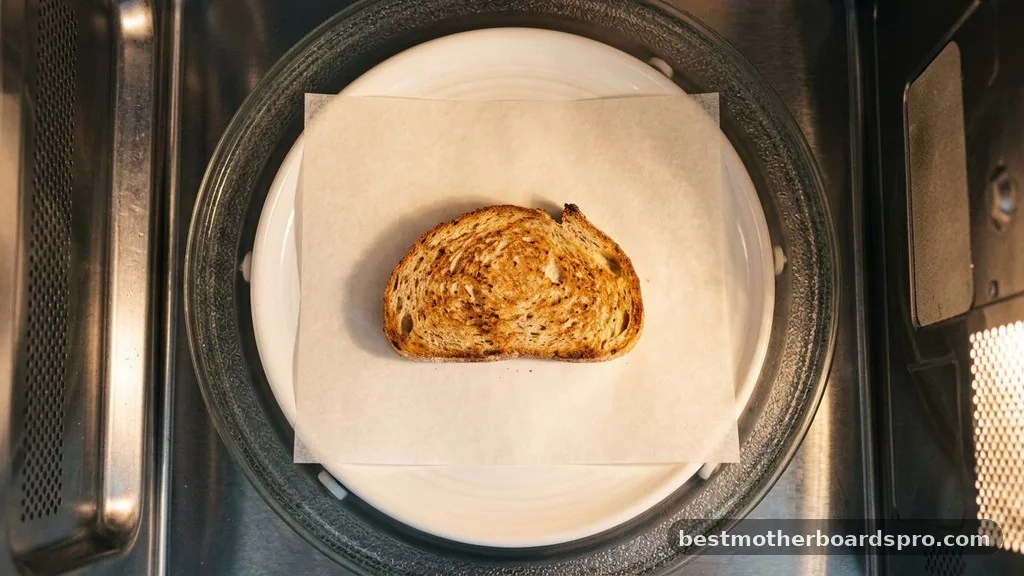
Parchment paper is essentially cellulose-based paper that has been treated with a thin layer of silicone. This coating provides the paper with its characteristic non-stick properties and heat resistance.
Because it lacks the metallic components found in aluminum foil, it does not spark or cause electrical arcing inside your appliance. When you place it in the microwave, the paper remains relatively inert, meaning it doesn’t absorb the energy in a way that causes it to combust during standard reheating tasks.
However, it is important to distinguish this from other paper products. While standard kitchen paper or napkins might absorb grease and become fire hazards if they get too hot, silicone-coated parchment is sturdier.
It handles moisture well, which makes it an excellent choice for covering bowls of soup or wrapping a burrito to prevent it from drying out. You’re effectively creating a barrier that keeps steam trapped, which helps in evenly heating your meal.
Distinguishing Parchment Paper from Wax Paper
A common point of confusion in the kitchen involves the difference between parchment and wax paper. While they look similar at a glance, their chemical compositions are entirely different, and this impacts how they perform under heat. Wax paper is coated in a thin layer of paraffin or soybean wax, which is designed to melt when it reaches high temperatures.
If you place wax paper in a high-heat environment, that coating can melt off onto your food or even create a mess on your microwave turntable. Parchment paper, on the other hand, is built for the oven and can handle temperatures up to 450 degrees Fahrenheit. Since microwaves rarely exceed the boiling point of water (212 degrees Fahrenheit) in standard operation, the parchment remains stable and won’t melt or degrade.
| Feature | Parchment Paper | Wax Paper |
|---|---|---|
| Coating | Silicone | Paraffin or Soy Wax |
| Heat Tolerance | High (Oven safe) | Low (Melts easily) |
| Microwave Usage | Safe for reheating | Avoid high heat |
| Primary Use | Baking and steaming | Wrapping cold food |
Best Practices for Microwave Usage
To ensure you’re using paper products correctly, follow a few simple guidelines. While the material is safe, your microwave settings and the duration of the heating cycle play a major role in preventing accidents.
- Always ensure the parchment paper is not touching the heating elements or the walls of the microwave if you have a convection unit.
- Use it primarily for covering containers or wrapping food to maintain moisture during short intervals.
- Avoid using parchment paper for extremely long cooking times, as the paper can become brittle and potentially ignite if it dries out completely.
- Check the manufacturer’s packaging for any specific “microwave-safe” labels, although most standard parchment is inherently safe.
- Do not use parchment paper that has been crumpled excessively, as the edges might become more prone to scorching.
Addressing Common Safety Concerns
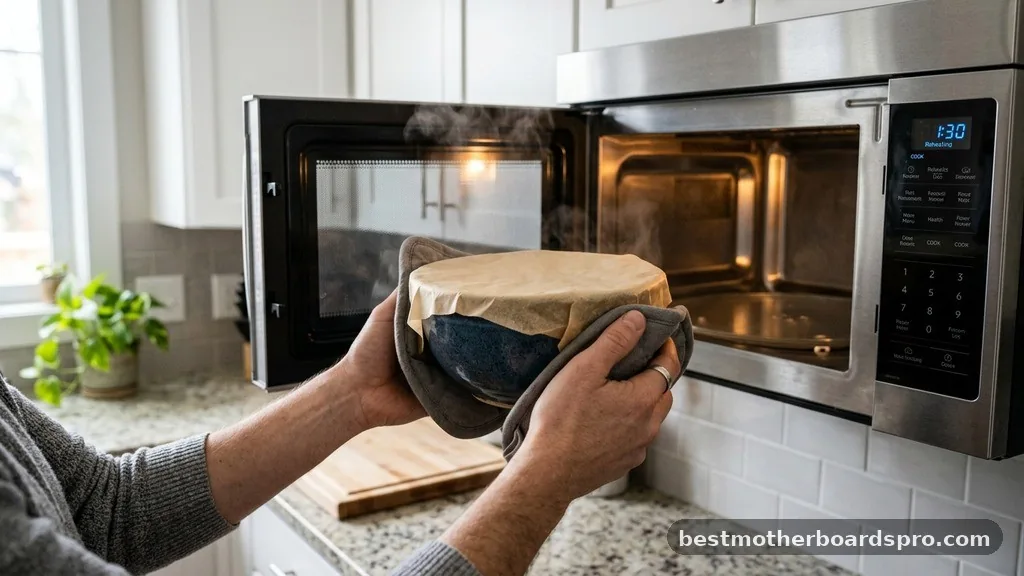
Many people worry about the potential for fire when putting paper inside an appliance that uses electromagnetic energy. The risk of fire usually stems from the paper drying out or coming into contact with a hot surface, not from the radiation itself. Because parchment is treated to be heat-resistant, it stays intact much longer than a standard paper towel.
If you are reheating a burrito, wrapping it in a single layer of parchment is a fantastic way to keep the tortilla soft. The paper acts as a buffer between the food and the air, allowing the interior to heat up through steam rather than direct dry heat. If you find the paper is getting too dry, you can lightly mist it with water, which further helps in the steaming process.
Avoiding Common Mistakes
Even though you can use parchment paper in the microwave, there are scenarios where you should definitely avoid it. If your microwave has a browning element or a grill function, the direct heat from these components can cause the paper to ignite. Always verify that you are using the standard microwave mode before placing paper inside.
Another common mistake involves using parchment that has been previously used in an oven. If the paper is covered in burnt crumbs or hardened grease from a previous baking session, these residues can smoke or burn when reheated. Always start with a fresh, clean sheet of parchment to prevent any unpleasant odors or potential fire risks in your kitchen.
Topical Gaps: What You Might Not Know
A frequent question is whether unbleached parchment differs from the bleached variety in terms of safety. The process of bleaching paper uses chlorine, but modern manufacturing standards ensure that the trace amounts left behind are not harmful when heated.
Both bleached and unbleached versions are equally safe for microwave use. The choice between them is purely a matter of personal preference regarding color or environmental impact.
Another gap in knowledge is the interaction with plastic wrap. Many people prefer plastic wrap for sealing containers, but it can sometimes melt or leach chemicals if it comes in contact with fatty foods.
Parchment paper is a superior alternative because it is entirely inert and contains no plasticizers. If you are worried about BPA or other chemicals in plastic, switching to parchment is a simple, effective health-conscious swap.
FAQ Section
Is it safe to leave parchment paper in the microwave for more than five minutes?
While parchment paper is heat-resistant, it is generally best to limit usage to short intervals of three to five minutes. Heating for longer periods can cause the paper to become extremely dry and brittle, increasing the risk of it scorching or catching fire if it touches hot spots.
Can I wrap a burrito in parchment paper before microwaving?
Yes, wrapping a burrito in parchment paper is highly recommended. It helps trap steam, which prevents the tortilla from becoming rubbery or dry. Unlike plastic wrap, which can melt onto the food, parchment remains stable and provides a clean, effective barrier for even heating throughout the burrito.
What should I never put in the microwave alongside parchment paper?
You should never place metal objects, including aluminum foil or containers with metallic trim, in the microwave with parchment. Additionally, avoid using parchment paper if your microwave is currently set to a convection or grill mode, as the direct heating elements will cause the paper to burn instantly.
Does the quality of the parchment paper matter?
Yes, high-quality silicone-coated parchment paper is much safer and more effective than cheaper alternatives. Low-quality paper may have inferior coatings that can degrade or release odors when heated. Always choose a reputable brand to ensure the product is heat-stable and food-grade safe for your family’s meals.
Final Thoughts on Microwave Safety
Using parchment paper effectively is all about common sense and understanding the materials in your kitchen. As long as you keep your heating times reasonable and avoid direct contact with heating elements, you’ll find that it’s a versatile tool for keeping your food moist and your microwave clean. It is a much safer, more reliable option than using plastic wraps that might melt or paper towels that could catch fire.
By incorporating this simple habit into your routine, you can improve the quality of your reheated meals without any unnecessary stress. Keep your parchment handy, watch your timing, and enjoy the convenience of a well-maintained kitchen. If you have any further questions about safe food preparation methods, feel free to reach out and explore our other resources.