
Dealing with a stubborn microwave smell can be incredibly frustrating, especially when it lingers long after you have finished your meal. Whether you accidentally scorched a bag of popcorn or heated up a particularly pungent leftover dish, those trapped particles often cling to the interior surfaces and vents. Learning how to deodorize microwave units effectively is a practical skill that saves you from having to endure unpleasant scents every time you open the door.
You don’t need harsh chemicals or expensive cleaners to restore freshness to your kitchen appliances. A few simple household staples are usually enough to neutralize even the most persistent odors and leave your machine smelling brand new.
Understanding the Source of Persistent Microwave Odors
Most unpleasant scents in your appliance originate from food splatters that have become baked onto the walls or ceiling of the chamber. When these organic particles are repeatedly heated, they release volatile compounds that circulate through the ventilation system. If left uncleaned, these microscopic remnants begin to decay or oxidize, creating a cycle of stale air that permeates your entire kitchen.
Beyond simple food debris, there are other factors that contribute to a lingering microwave smell. Grease buildup on the waveguide cover is a common culprit.
If moisture gets trapped behind this small panel, it can foster bacterial growth or mildew, which produces a distinct, earthy odor that standard wiping won’t remove. High-humidity environments can also exacerbate these issues, causing odors to latch onto the porous components of the oven’s interior.
Steam Cleaning with Vinegar for Odor Neutralization
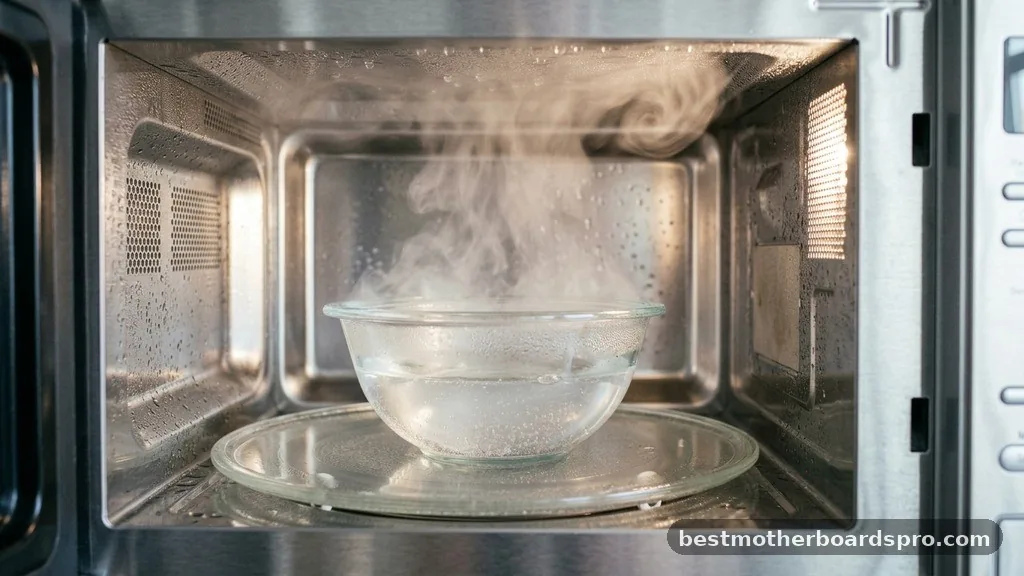
Vinegar is a powerhouse when it comes to breaking down grease and neutralizing acidic or burnt odors. Because it is highly acidic, it effectively cuts through the carbonized food residue that often hides in the corners of your appliance.
To perform this method, follow these steps:
- Fill a microwave-safe bowl with one cup of water.
- Add two tablespoons of white vinegar to the cup water mixture.
- Place the container inside and heat on high for approximately five minutes.
- Leave the open door shut for another five minutes to allow the steam to penetrate the grime.
- Carefully remove the bowl and wipe down the interior with a soft cloth to get rid of loosened debris.
The steam acts as a solvent, loosening dried-on food while the vinegar molecules bond with odor-causing compounds to neutralize them. This process is generally safe for most glass and plastic interiors, but always verify your manufacturer’s care guidelines if you have a high-end convection model.
Using Citrus to Refresh Your Appliance
If you find the scent of vinegar too sharp, citrus provides a natural and pleasant alternative. Citric acid, found in abundance in fresh lemons, acts as a mild degreaser and leaves behind a crisp, clean scent that lingers far longer than synthetic sprays.
Simply slice a fresh lemon in half and squeeze the juice into a bowl filled with a half-cup of water. Drop the spent rinds into the liquid as well, as the essential oils in the peel contain powerful aromatic compounds. Heat the mixture for three to four minutes until the interior is filled with steam.
Let it sit for a moment, then use a damp cloth to wipe away any remaining residue. This is one of the most effective ways to deodorize microwave interiors after cooking fish or other strong-smelling proteins.
Baking Soda for Deep Deodorization
When you need to tackle a particularly stubborn or “burnt” smell, baking soda is your best friend. Unlike cleaners that simply mask scents, baking soda is a base that reacts with acidic odor molecules to chemically neutralize them.
For a light refresh, place an open box of baking soda inside the unit when it is not in use. For a deeper clean, create a thick paste using three parts baking soda to one part water. Apply this mixture to the interior walls, especially around the vents and the turntable ring.
Let it sit for an hour, then wipe it clean with a damp sponge. This method is excellent for absorbing deep-seated odors that have permeated the plastic housing over time.
Comparison of Common Deodorizing Agents
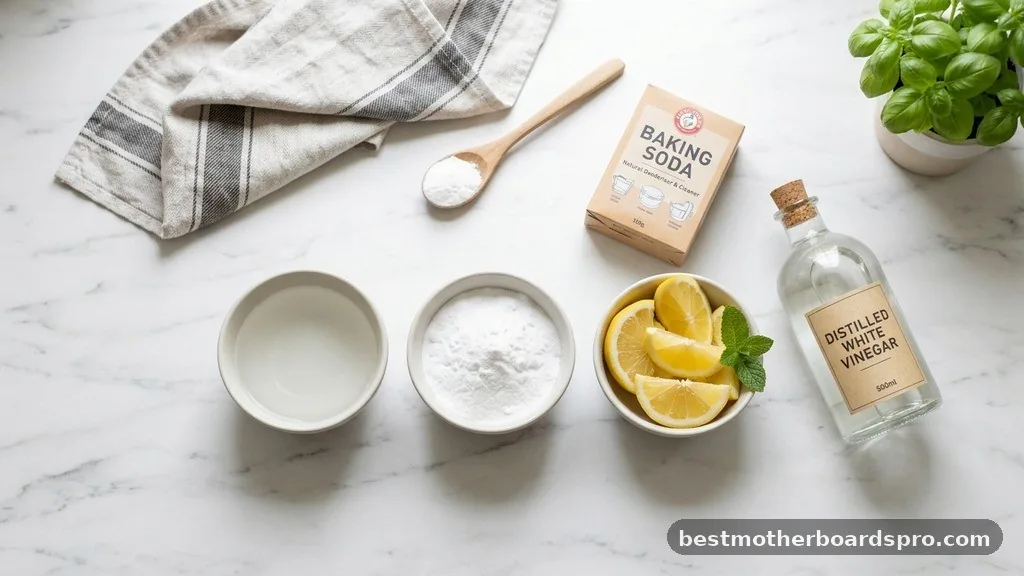
Selecting the right method depends on the intensity of the smell and the ingredients you have available in your pantry.
| Method | Best For | Key Benefit |
|---|---|---|
| Vinegar Steam | Grease and burnt food | Breaks down carbonized residue |
| Lemon Steam | Strong proteins and fish | Leaves a fresh, natural fragrance |
| Baking Soda Paste | Deep-seated, lingering scents | Chemically neutralizes odor molecules |
| Vanilla Extract | Post-cleaning final touch | Provides a warm, pleasant aroma |
Addressing Topical Gaps: Why Some Odors Remain
Even after a thorough cleaning, many homeowners find that their microwave still emits a strange smell. This is often due to the “hidden” areas of the machine that users frequently overlook. The most common gap in standard cleaning routines is the area beneath the turntable.
Food spills often seep into the roller guide or the drive coupling in the center of the floor. If you do not remove and wash the glass tray and the roller ring separately, the trapped food will continue to heat up every time you use the appliance.
Another frequently ignored area is the charcoal filter found in over-the-range microwave models. These filters are designed to capture grease and odors from the stovetop below. If the filter is saturated, it will release a burnt or “old” smell back into the kitchen whenever the microwave is running.
Check your manual to see how to replace or clean this filter. Finally, always inspect the door seal. Crumbs and liquid can get lodged in the gasket, creating a breeding ground for bacteria that contribute to a sour smell.
Preventative Maintenance Tips
Keeping your machine fresh is much easier than trying to remove a deep-set stench later. A proactive approach to cleaning will save you time and effort in the long run.
- Always cover your food with a microwave-safe lid or paper towel to prevent splatters.
- Wipe the interior surfaces immediately after a spill occurs, before the heat has a chance to bake it on.
- Leave the door slightly ajar for a few minutes after cooking to allow moisture to escape.
- Replace your grease filters every six to twelve months if you have an over-the-range unit.
- Periodically check the waveguide cover for grease buildup, as this is a common site for electrical arcing and odor production.
FAQ
How do I get a nasty smell out of my microwave?
To eliminate a harsh or burnt smell, use the vinegar steam method. Combine one cup of water with two tablespoons of white vinegar in a bowl, heat it for five minutes, and let it sit. The steam will soften stuck-on food while the vinegar neutralizes the underlying odor molecules.
What can I put in the microwave to make it smell good?
You can use fresh lemon slices in a bowl of water to create a pleasant citrus aroma. Alternatively, placing a small dish of vanilla extract inside and heating it for one minute can help, or simply leaving an open box of baking soda inside the unit overnight to absorb scents.
Is it safe to use Lysol wipes to clean a microwave?
It is generally not recommended to use chemical disinfectant wipes inside a microwave. These products often contain ingredients that are not food-safe and could leave toxic residues. It is much safer to rely on natural solutions like vinegar, lemon, or a mild dish soap and water mixture for cleaning.
How often should I clean the microwave to prevent odors?
A quick wipe-down after every use is ideal. For a deeper clean, perform a steam treatment using vinegar or lemon once every two weeks. If you cook heavily, you may need to perform this deep cleaning more frequently to prevent grease buildup from becoming a permanent source of odor.
Maintaining a Fresh Kitchen Environment
Successfully managing your kitchen appliances requires consistent attention to detail. By using simple, natural ingredients like vinegar and lemon, you can effectively resolve any lingering microwave smell without resorting to harsh chemicals. Remember that preventative habits, such as covering dishes and wiping spills immediately, are the most reliable ways to ensure your unit stays in top condition.
If you notice a persistent scent, don’t forget to inspect the hidden areas like the turntable ring and the ventilation filters. Taking these small steps will ensure your appliance is always ready for your next meal. If you found these tips helpful, try them out the next time you notice a stale scent and enjoy a cleaner, fresher cooking experience.