
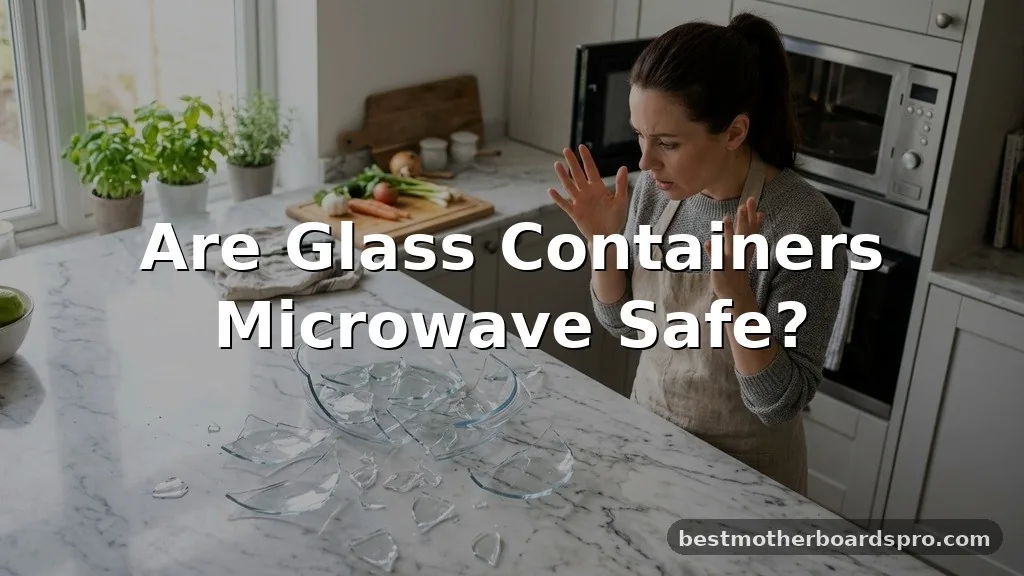
Determining whether your kitchenware can handle high heat is a fundamental part of daily meal prep. Many home cooks wonder if glass containers are microwave safe, and the short answer is yes, provided the material is specifically designed for thermal shock resistance.
While glass is generally a superior choice for heating leftovers compared to plastic, not every piece of glassware in your cabinet is built to withstand the rapid temperature changes that occur inside a microwave. Understanding the physical properties of your storage containers helps prevent dangerous shattering and ensures your food remains uncontaminated during the heating process.
Identifying Microwave-Safe Glassware
The most reliable way to determine if your vessels are suitable for high-heat use is to look for a manufacturer’s label. Most reputable brands mold a specific symbol into the bottom of their glass containers, usually depicting a microwave oven or wavy lines. If you find this mark, the item has been tested for thermal stability.
If you have inherited glassware or removed the original stickers, you might be unsure about its composition. Tempered glass is the industry standard for heat resistance. This process involves heating the glass to a very high temperature and cooling it rapidly, which creates a durable structure capable of handling the intense energy of a microwave.
Why Thermal Shock Matters
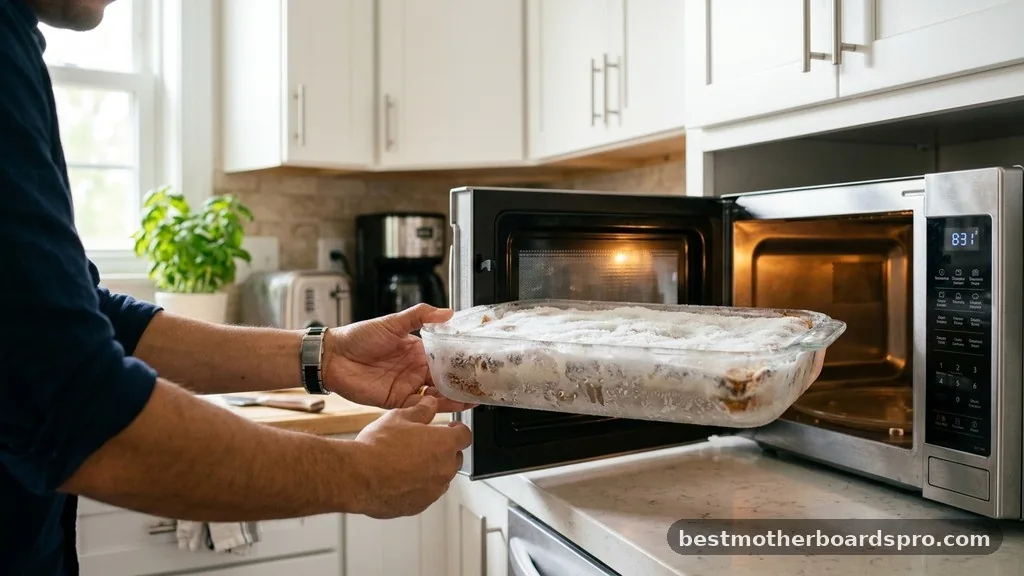
Thermal shock occurs when a container experiences a sudden, extreme temperature change. For example, moving a cold glass dish directly from the freezer into a hot microwave creates immense stress on the material.
If the glass isn’t tempered, the internal structure may expand or contract unevenly, leading to cracks or even a violent explosion inside the appliance. Always allow cold containers to reach room temperature before hitting the start button.
Differentiating Between Glass Types
Not all glass is created equal. Understanding the difference between common types of glass helps you make safer choices when reheating meals.
| Glass Type | Microwave Suitability | Notes |
|---|---|---|
| Borosilicate Glass | Excellent | Highly resistant to thermal shock; ideal for high-heat use. |
| Tempered Soda-Lime Glass | Good | Durable, but avoid extreme temperature swings. |
| Lead Crystal or Decorative Glass | Unsafe | Can crack or leach chemicals under high heat. |
| Thin/Vintage Glass | Unsafe | Too fragile for the rapid expansion caused by microwaves. |
Managing Lids and Seals
While the main body of your storage containers might be made of high-quality glass, the lids are often a different story. Many sets include plastic or silicone covers that require specific handling. Even if a container is safe, you must inspect the accessories before placing them inside the microwave.
- Vented Lids: Always open the vent to allow steam to escape, preventing pressure buildup.
- Plastic Lids: Check for a microwave-safe stamp on the plastic; if it’s not marked, remove it entirely.
- Silicone Seals: These are generally heat-resistant, but they can warp if they come into direct contact with boiling food.
- Metal Components: Never place lids with metal clips or foil linings in the microwave, as these cause arcing and potential fire hazards.
Common Hazards and Best Practices
Even when using tempered glassware, you should follow a few basic rules to keep your kitchen safe. The primary goal is to ensure even heating and avoid physical stress on the material.
Avoid Overheating
Microwaving food for extended periods can cause localized hot spots. If your food contains high amounts of sugar or fat, these substances can reach temperatures far higher than the boiling point of water. This intense, concentrated heat can weaken the glass, especially if there are existing micro-scratches or chips on the surface.
Check for Damage
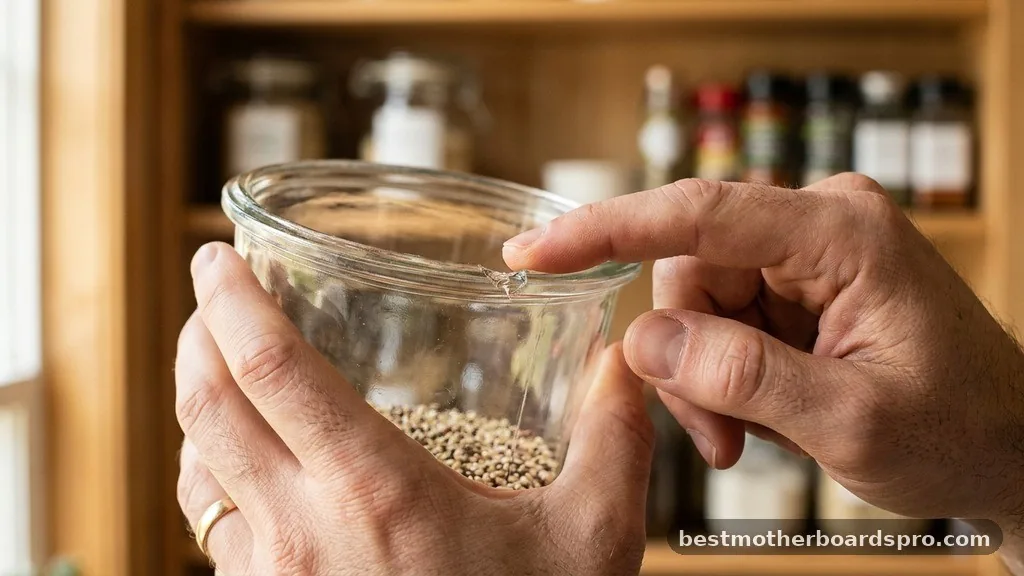
Before you use any glass container, run your fingers along the rim and the base. If you feel a chip, crack, or deep scratch, retire that piece immediately. A small defect acts as a stress point where the glass is significantly more likely to shatter during the heating cycle.
Handling Hot Glass
Always use dry oven mitts or a thick towel when removing containers from the microwave. Glass retains heat for a long time, and a container that feels manageable at first can quickly burn your skin as the heat transfers from the food to the vessel walls. Place hot glass on a trivet or a dry cloth rather than a cold granite or metal countertop, as the contrast in temperature can cause the glass to crack upon contact.
Addressing Topical Gaps: Why Some Glass Breaks
A common point of confusion is why some people experience glass breakage even when they believe they are following the rules. The answer often lies in the manufacturing history of the product.
Older, non-tempered glassware, such as vintage bowls or jars, often contains tiny air bubbles or inconsistencies in the glass structure. When these are exposed to microwave radiation, the air trapped within the glass can expand, causing the vessel to fracture unexpectedly.
Furthermore, some users mistakenly assume that all glass jars—like those used for pickles or pasta sauce—are microwave-safe. These jars are designed for pantry storage, not thermal stress.
They are often made of thinner, non-tempered glass and can easily fail under the pressure of steam generated while microwaving food. Only use glassware specifically marketed for kitchen preparation or storage.
FAQ
Can you put glass containers in the microwave if they have metal lids?
No, you should never place metal lids in the microwave. Metal can cause arcing, which results in sparks and potential damage to your appliance’s interior. Always remove any metal lids, rings, or decorative foil accents before placing your glass container inside for heating purposes.
Is it safe to put cold glass jars from the freezer into the microwave?
It is generally unsafe to move glass directly from the freezer to the microwave. The extreme temperature difference creates thermal shock, which can cause the glass to shatter. Always let your frozen food and the container thaw to room temperature before attempting to heat them.
How can I tell if a glass bowl is microwave safe?
Look at the bottom of the bowl for a microwave-safe symbol, which usually looks like a square with wavy lines. If there is no marking, it is safer to assume the item is not intended for microwave use and choose a container that is clearly labeled as such.
Why did my glass container explode in the microwave?
Explosions usually occur due to thermal shock or pre-existing defects. If the glass had a tiny crack, a chip on the rim, or was subjected to a rapid temperature change, the structural integrity failed. Once the stress exceeds the glass’s capacity, it will shatter into shards.
Conclusion
Selecting the right storage containers is essential for efficient meal prep and kitchen safety. By sticking to tempered glassware and verifying that your items are explicitly marked as microwave-safe, you eliminate the risks associated with thermal shock and structural failure. Always inspect your glassware for chips, avoid placing cold items directly into high heat, and ensure that any lids or seals are compatible with microwave use.
When you treat your containers with care and follow these professional guidelines, you can confidently heat your meals without worry. Whether you are reheating leftovers or preparing a quick snack, knowing how to properly use your glass food storage ensures that your equipment lasts for years. If you are ever in doubt about a specific piece of glassware, it is always safer to transfer your food to a dish that you know is designed for the microwave.