
Determining whether your food storage can safely handle high temperatures is a common household frustration. Many people wonder if plastic containers go in the microwave without leaching harmful chemicals into their lunch. While manufacturers often provide labels to clarify safety, the reality of polymers and heat resistance is more nuanced than a simple sticker suggests.
Understanding the material science behind your kitchenware ensures you aren’t accidentally exposing your meals to unwanted synthetic compounds. By checking the base of your containers for specific markings and recognizing signs of wear, you can confidently decide which items deserve a spot in your appliance and which should stay in the pantry.
Identifying Microwave-Safe Plastic
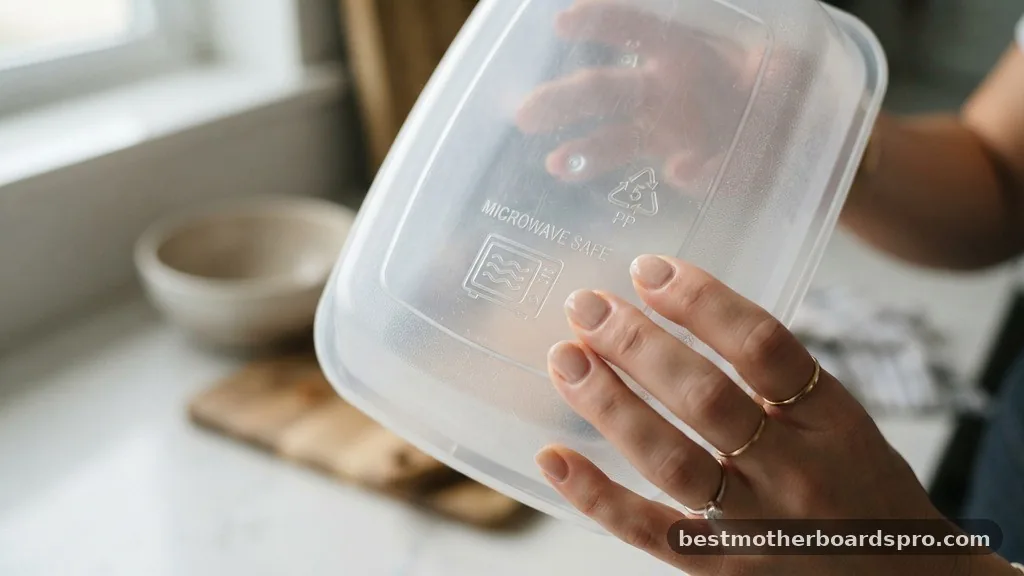
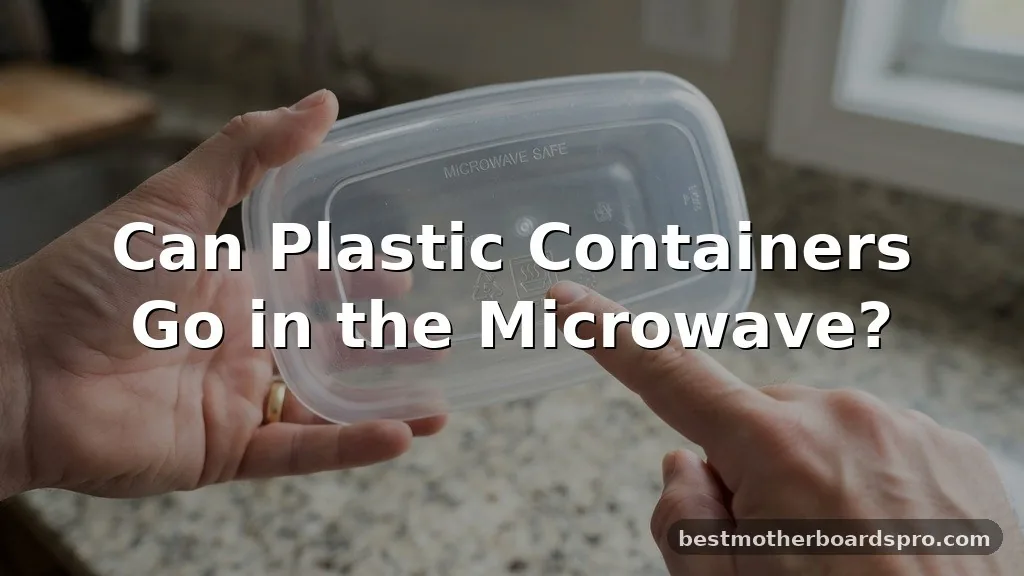
The most reliable way to determine if a container is suitable for heating is to look for specific indicators on the bottom. Manufacturers typically emboss a symbol—often a square containing a microwave icon or wavy lines—directly into the plastic. If you don’t see this mark, it is safer to assume the container is intended for cold storage or pantry organization only.
Another critical indicator is the resin identification code, which is the number inside the recycling triangle. While these numbers signify the type of plastic, they don’t guarantee heat safety on their own. However, plastics labeled as number 5 (Polypropylene) are generally considered more stable under heat than others.
The Role of Polymers in Heat Resistance
Different plastics have varying melting points and chemical structures. Polypropylene is frequently used for microwave-safe gear because it is a semi-crystalline polymer with a high melting point.
In contrast, thin, single-use plastics—like those from yogurt tubs or deli containers—often warp or melt quickly when exposed to high-wattage radiation. These containers aren’t designed to withstand the thermal stress of boiling food and may release substances like phthalates or bisphenol A (BPA) when structurally compromised.
Risks of Microwaving Non-Safe Plastics
When you heat plastic that wasn’t engineered for high temperatures, the material can degrade at a molecular level. This degradation process, often called leaching, happens when the chemical bonds in the plastic break down, potentially allowing additives to migrate into your food.
- Deformation: The plastic may warp, bubble, or melt, which permanently alters the structural integrity of the vessel.
- Chemical Migration: Heat accelerates the movement of plasticizers into fatty or acidic foods, increasing the risk of ingestion.
- Surface Pitting: Over time, microwaving creates microscopic scratches and pits where bacteria can thrive, making the container difficult to clean.
- Loss of Seal: Once a container warps, the lid will no longer fit correctly, leading to leaks and poor food preservation.
Comparing Food Storage Materials
Choosing the right vessel for your leftovers involves balancing convenience with health safety. While plastic is lightweight and shatterproof, other materials offer superior performance in high-heat environments. The following table compares common kitchen storage materials based on their heat tolerance and general safety profile.
| Material | Microwave Safety | Best Use Case |
|---|---|---|
| Glass (Borosilicate) | Excellent | Reheating and long-term storage |
| Ceramic | High | Plating and heating meals |
| Microwave-Safe Plastic | Moderate | Short-term reheating |
| Single-Use Plastic | None | Cold storage only |
Signs Your Container Is Damaged
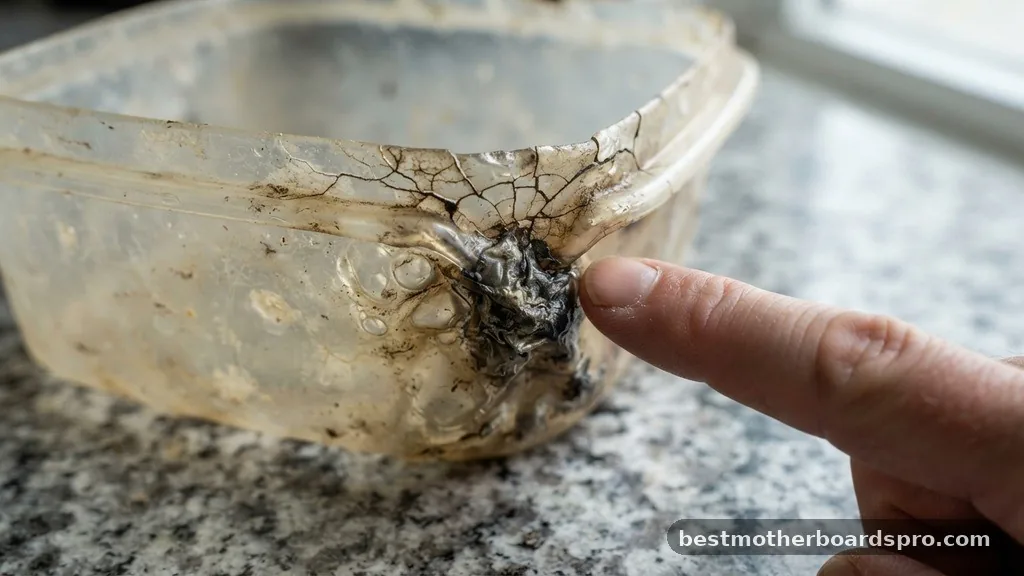
Even if a container was originally labeled as microwave-safe, it won’t last forever. Regular exposure to heat, fats, and acids will eventually wear down the surface. If you notice any of these signs, it is time to retire the container from your microwave rotation:
Visual and Tactile Clues
If the surface of your container feels tacky or rough to the touch, it has likely begun to degrade. This texture change indicates that the polymer chains are breaking down, which can happen even if the container hasn’t physically melted. Furthermore, if you notice deep staining from tomato-based sauces or spicy oils that won’t wash away, the plastic has become porous. These porous areas are difficult to sanitize and can hold onto residues from previous meals, affecting the taste and safety of future dishes.
Best Practices for Reheating
To maximize the lifespan of your microwave-safe plastics, follow a few simple rules. Always leave a small gap for steam to escape, as pressure buildup can cause even the most durable containers to warp. Avoid heating foods with high sugar or fat content for long durations, as these substances can reach temperatures exceeding the melting point of the plastic in just a few minutes.
If you are concerned about potential chemical exposure, consider transferring your food to a ceramic or glass bowl before heating. This simple step eliminates the uncertainty associated with plastic additives and ensures that you aren’t consuming anything unintended. It also prevents the common issue of “spaghetti staining,” keeping your storage containers looking clean and clear for years to come.
Addressing Common Misconceptions
Many people believe that because a container is “BPA-free,” it is automatically safe to microwave. This is a common misunderstanding. While BPA-free is a positive attribute, manufacturers may use other chemical substitutes to provide flexibility or durability.
These substitutes have not always undergone the same level of long-term testing as BPA. Therefore, the “microwave-safe” label remains a more important indicator than the “BPA-free” label when you are choosing a vessel for your microwave.
Frequently Asked Questions
Is it safe to microwave plastic containers with the lid on?
It is generally discouraged to microwave plastic with the lid sealed tight. The buildup of steam can create significant pressure, leading to warping or even explosive popping. If you must use a lid, leave it slightly ajar or use a microwave-safe cover to prevent splatters while allowing ventilation.
How do I know if my container is truly microwave-safe?
Look for the microwave-safe symbol, which usually depicts a box with wavy lines inside. If you see no markings, test the container by heating a small amount of water in it for 30 seconds. If the container becomes hot to the touch, the plastic is absorbing energy and is not safe.
Does microwaving plastic cause cancer?
Scientific consensus remains focused on the potential for chemical migration rather than direct carcinogenic links. While some chemicals used in plastics are endocrine disruptors, the primary concern is avoiding the consumption of leached additives. Using glass or ceramic containers is the most effective way to eliminate these risks entirely.
Can I reuse takeout containers in the microwave?
Most single-use takeout containers are not designed for repeated heating. They are often made of thin, inexpensive plastics meant for one-time transport. Even if they don’t melt immediately, they are prone to chemical leaching and should be recycled rather than repurposed for microwave reheating.
Final Thoughts
Ensuring your kitchen habits support your health involves a mindful approach to how you handle your food. While the question of whether plastic containers go in the microwave has a clear technical answer, the practical advice is to prioritize glass or ceramic whenever possible to avoid any chemical uncertainty. When you do choose to use plastic, always verify the safety symbols and inspect your containers for signs of wear such as cloudiness or warping.
By staying vigilant about the condition of your storage, you can continue to enjoy the convenience of quick meals without compromising your peace of mind. If you are ever in doubt about a specific container, it is always best to err on the side of caution and transfer your food to a safer alternative.