
Determining whether you can microwave plastic requires looking closely at how heat interacts with polymers. Most people assume that if a container holds hot soup, it handles the heat of a microwave, but the reality is more nuanced. High temperatures often cause structural changes in synthetic materials, leading to the release of compounds into your meal.
When you ask if you can microwave plastic, the answer depends on the specific chemical composition of the item in question. Understanding these labels and material properties ensures you aren’t accidentally consuming unwanted substances alongside your dinner. This article breaks down how to identify safe options and why some materials should never see the inside of your appliance.
Decoding Microwave Safe Labels
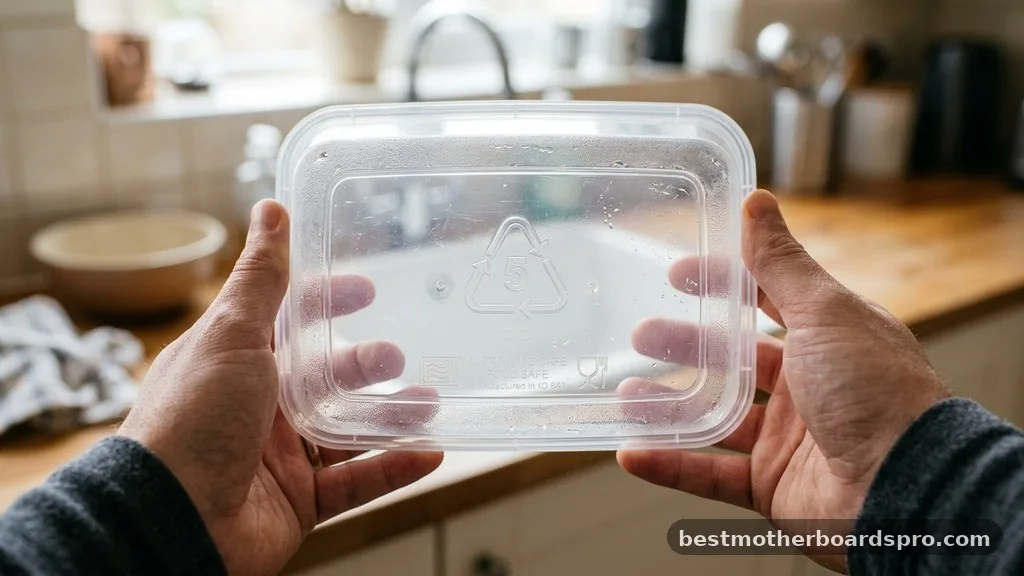
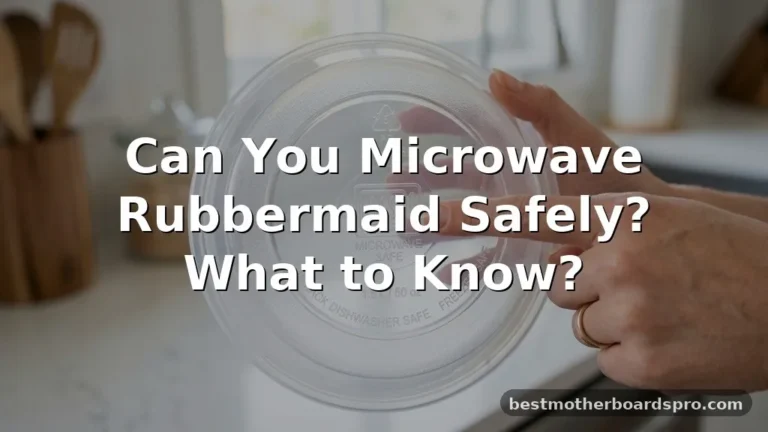
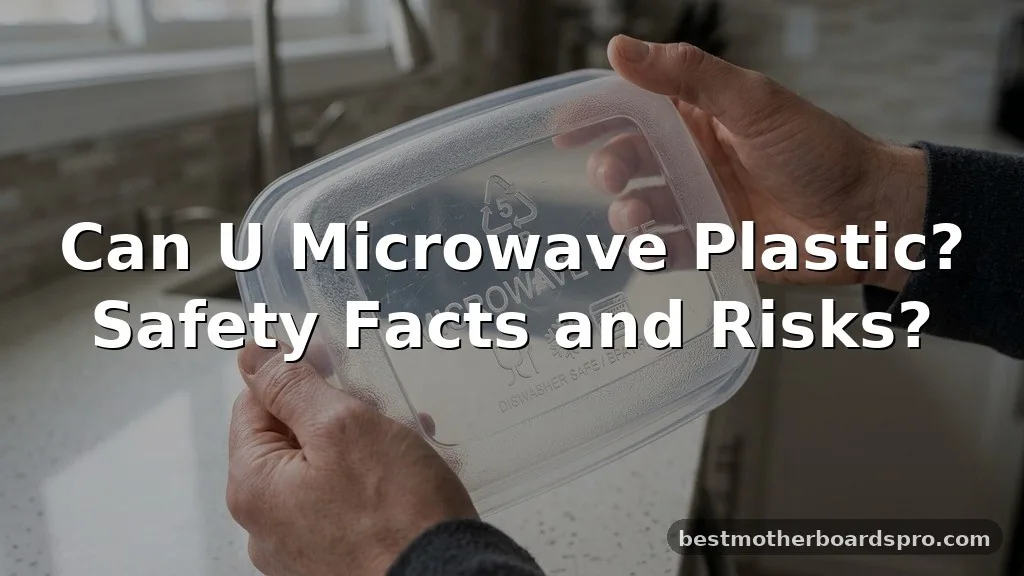
The most reliable way to determine if an item is suitable for heating is to look for the official microwave-safe symbol. This icon usually features a box with wavy lines inside, indicating the manufacturer has tested the material for thermal stability. If you do not see this marking, you should assume the item is not intended for high-heat use.
Manufacturers undergo specific testing to earn this label. They measure how much the plastic deforms or degrades when exposed to intense heat and whether it allows chemical migration into the food contained within.
Even with this label, it is important to remember that safety is not infinite. Over time, repeated heating cycles can cause micro-cracks in the surface, which harbor bacteria and increase the likelihood of leaching chemicals.
How Chemicals Migrate into Food
When plastics are heated, the polymer chains can become unstable. This process, known as migration, involves the movement of molecules from the container wall into the food or liquid it holds.
The rate of this transfer increases significantly as the temperature rises. If you are microwaving fatty or acidic foods, the risk of chemical interaction is higher because fats act as a solvent that pulls compounds out of the plastic more effectively than water does.
Certain substances, such as phthalates and bisphenol A (BPA), are often associated with plastic production. These chemicals act as endocrine disruptors when ingested by the body. Research suggests that these substances can interfere with hormonal systems, which is why health experts frequently advise minimizing contact between heated food and low-quality plastics.
| Plastic Type | Common Use | Microwave Suitability |
|---|---|---|
| PET (1) | Water bottles | Not recommended |
| HDPE (2) | Milk jugs | Generally safe |
| PVC (3) | Cling film | Never microwave |
| PP (5) | Tupperware | Microwave safe |
| PS (6) | Takeout boxes | Avoid heating |
Identifying Safe versus Unsafe Materials
Not all polymers are created equal. The resin identification code, which is the number inside the triangle on the bottom of a container, helps you identify the type of material. While these codes were originally designed for recycling, they provide a quick reference for the chemical makeup of your storage items.
- Polypropylene (Number 5): This is widely considered the gold standard for microwave-safe plastic. It has a high melting point and is chemically resistant.
- Polystyrene (Number 6): Often used for disposable takeout containers, this material melts easily and can release styrene when heated.
- Polyvinyl Chloride (Number 3): This contains additives that should never be exposed to high heat.
- Polycarbonate (Number 7): This often contains BPA, which is why many manufacturers have moved away from using it for food storage.
The Risks of Microwaving Takeout Containers
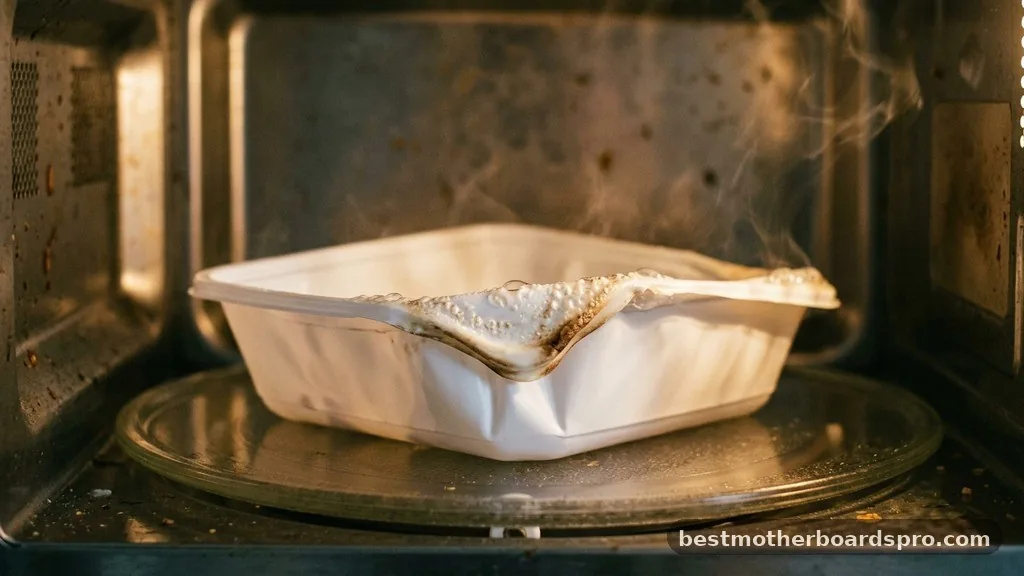
Many people mistakenly assume that because a restaurant serves food in a plastic container, that container is safe for the microwave. Often, these items are designed for single-use transport only. They are usually made from thin, inexpensive polymers that are not engineered to withstand the thermal stress of a microwave oven.
When you reheat leftovers in these containers, the plastic may warp or melt. Even if the container looks intact, the heat can cause the release of chemicals that migrate directly into your food.
If you are ever in doubt, the best practice is to transfer your meal to a glass or ceramic dish before heating. It takes only a few seconds and completely eliminates the risk of chemical contamination.
Addressing Common Misconceptions
A persistent myth is that you can safely microwave plastic if you only do it for a short time, like 30 seconds. While a shorter duration reduces the total energy absorbed by the container, it does not stop the chemical process if the material is inherently unstable. If the plastic is of poor quality, even brief exposure can start the degradation process.
Another common question is whether microwaving plastic causes cancer. While the science is ongoing, the primary concern remains the endocrine-disrupting nature of the chemicals that migrate into food.
By avoiding the use of non-microwave-safe plastics, you effectively remove this potential route of exposure from your daily routine. It is a simple habit that prioritizes your long-term wellness over the convenience of a single plastic bowl.
How to Safely Reheat Food
If you want to ensure your meals remain free from unwanted additives, consider switching to materials that are chemically inert. Glass and ceramic are the best alternatives because they do not react to heat or leach substances into your food.
If you must use plastic, follow these guidelines to keep your food safe:
1. Check for the microwave-safe symbol on the bottom of the vessel.
2. Avoid heating containers that are scratched, cloudy, or warped.
3.
Use glass or ceramic lids instead of plastic ones to prevent steam from condensing on the plastic and dripping back into the food.
4. If a container shows signs of wear, discard it immediately.
FAQ: Common Questions on Plastic Safety
Is it safe to microwave plastic wrap?
Most experts advise against letting plastic wrap touch your food in the microwave. Even if the wrap is labeled microwave-safe, the heat can cause the chemicals to migrate into the food, especially if it touches fatty or oily items. Always leave a gap for steam to escape.
What happens if I microwave a non-safe container?
If you microwave a container not designed for high heat, it may melt, warp, or release harmful chemicals into your meal. In some cases, the plastic might become brittle or develop small cracks that harbor bacteria, making the container unsafe for any future food storage or usage.
Can I microwave plastic water bottles?
No, you should never microwave a standard plastic water bottle. These are typically made from PET (Number 1) plastic, which is designed for single use at room temperature. Heating them can cause the plastic to deform and increase the migration of chemicals into the water inside.
How do I know if my container is truly microwave safe?
Look for the microwave-safe icon, which usually depicts a box with wavy lines. If the container lacks this symbol or feels flimsy, do not use it. When in doubt, transfer your food to a glass bowl or a ceramic plate before heating to avoid any potential health risks.
Final Thoughts on Microwave Safety
Making informed choices about the materials you use for cooking helps protect your health and ensures your meals stay pure. While the convenience of plastic containers is undeniable, the potential for chemical migration during the heating process is a factor that should not be ignored. By prioritizing glass or ceramic for your reheating needs and verifying that any plastic you do use is clearly labeled as microwave-safe, you can enjoy your leftovers without worrying about hidden substances.
If you find yourself frequently questioning if you can microwave plastic, the safest path forward is to replace aging or unlabeled items with more durable, heat-resistant alternatives. Small changes in your kitchen habits go a long way in maintaining a healthy, safe lifestyle for you and your family.