
Determining whether you can microwave paper bowls often comes down to the specific manufacturing process and the materials used in the container. While many people assume all paper products are inherently microwave-safe, the reality is more nuanced because some items contain plastic linings or metallic accents that react poorly to electromagnetic waves.
Understanding if you can microwave paper bowls successfully requires looking for specific indicators of safety, such as certification stamps or material compositions. By identifying these markers before you start reheating, you can avoid common kitchen mishaps like melting coatings or scorched edges while keeping your food warm and ready to eat.
Identifying Microwave-Safe Paper Bowls
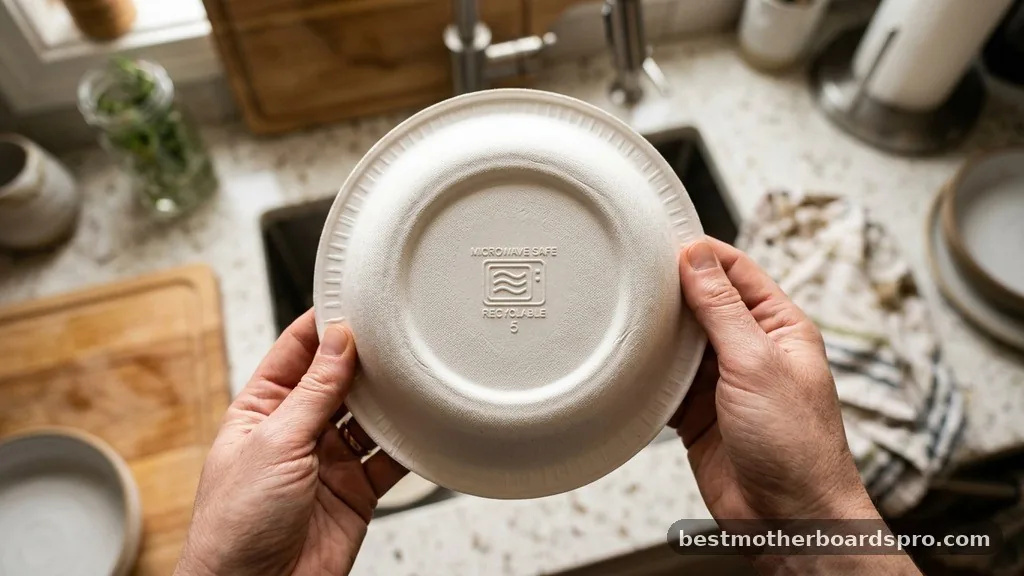
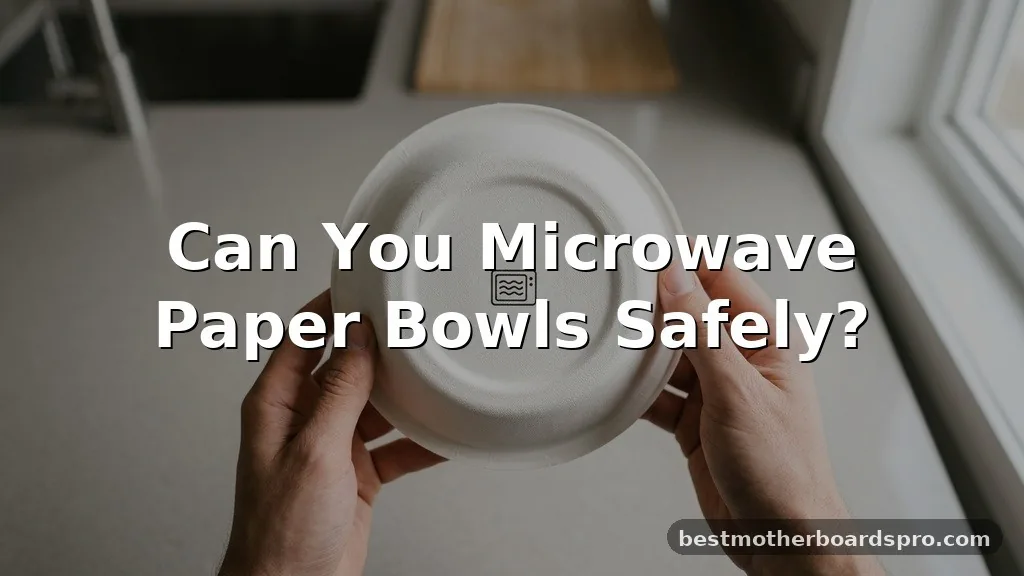
The most reliable way to determine if a container is suitable for use in your appliance is to check for a “microwave-safe” label on the bottom. Manufacturers usually print this information clearly on the underside of disposable paper items to guide consumers. If you see a symbol depicting a microwave with wavy lines or a simple checkmark, the bowl has likely been tested to withstand internal temperatures generated by the appliance.
When this label is missing, you have to rely on the construction of the bowl. Standard, uncoated paper products are generally porous and can ignite if they become too dry or are exposed to high heat for an extended period. Conversely, many modern bowls feature a thin poly-coating or a wax layer designed to prevent liquid absorption.
While these coatings are often food-grade, they can lose integrity if the food inside contains high fat or sugar content. These ingredients heat up significantly faster than water, potentially causing the liner to melt or the paper to weaken.
The Role of Material Composition
The weight and density of the paper play a significant role in how it handles heat. A heavy-duty bowl is usually constructed with thicker, more compressed fibers, which provide better structural integrity when exposed to moisture and heat. Thin, lightweight bowls often lack the necessary density to hold up to hot liquids, such as soup or stew, for more than a few seconds.
Factors Influencing Heat Resistance
* Coating Type: Poly-coated paper is common for soup containers, but it has a specific melting point that can be exceeded by hot oils.
* Fiber Density: Thicker paper fibers resist deformation better than flimsy, bleached paper products.
* Moisture Content: Foods with high water content help distribute heat evenly throughout the bowl.
* Adhesives: Some bowls rely on heat-sensitive glues to hold the seams together, which might fail during prolonged heating.
Comparison of Disposable Bowl Materials
| Material Type | Microwave Suitability | Common Use |
|---|---|---|
| Uncoated Kraft Paper | Low (risk of fire) | Dry snacks |
| Poly-Coated Paper | Moderate (short bursts) | Warm soups |
| Heavy-Duty Molded Fiber | High (safe for most) | Hot meals |
| Plastic-Lined Bowls | Low (risk of melting) | Cold storage |
Addressing Common Risks and Safety Gaps
A common concern involves the presence of recycled materials in the paper fibers. Some recycled paper products may contain trace amounts of ink, dyes, or even metallic particles left over from the recycling process.
These materials can cause arcing or emit unpleasant odors when heated in a microwave. If you notice any sparkling or popping sounds during the heating process, you should stop the machine immediately and remove the item.
Another gap in consumer knowledge is the danger of using lids. Many people leave the plastic lid on a paper bowl while reheating.
This is generally a poor idea because the plastic lid is rarely designed to withstand the same heat as the bowl. Steam buildup can cause the lid to warp or melt into your food, and it creates a pressure vessel that could lead to an unwanted explosion of hot contents inside the appliance.
Best Practices for Reheating Food
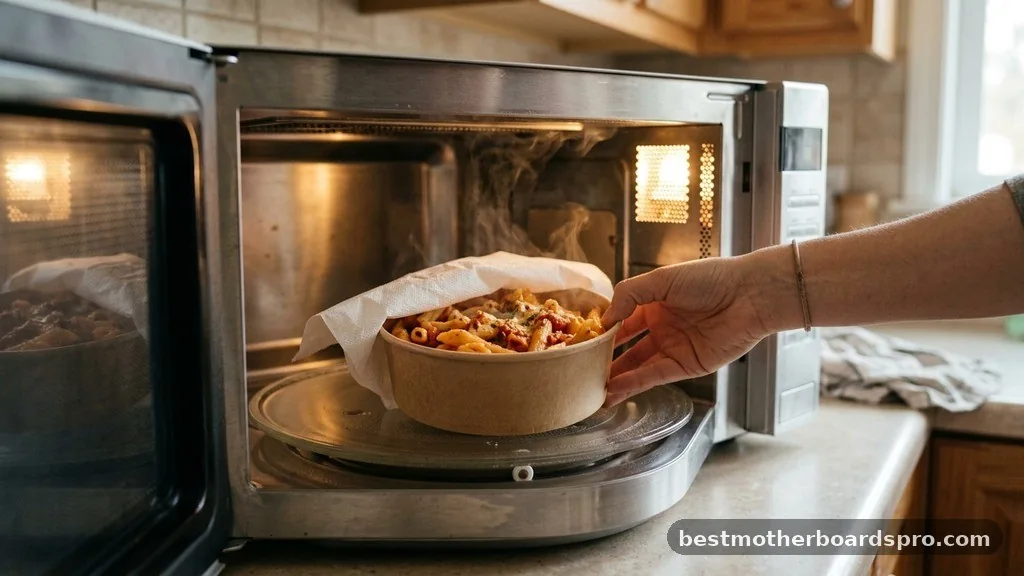
If you decide that a bowl is safe to use, keep the duration short. Most paper products perform best when used for reheating rather than cooking.
If your meal requires more than two minutes of heating, it is often safer to transfer the contents to a ceramic or glass bowl. This ensures that the structural integrity of your container remains intact and prevents the paper from becoming soggy or scorched.
Always monitor the bowl during the process. If you are heating a heavy portion of food, the weight of the contents can cause the bottom of the bowl to sag, especially if the paper softens significantly. Placing the bowl on a microwave-safe ceramic plate provides extra stability and catches any potential spills if the paper happens to fail.
Common Misconceptions About Paper Products
There is a persistent myth that all paper products are inherently microwave-safe because they are paper. This ignores the fact that modern convenience items are rarely just paper.
They are complex engineered products containing resins, synthetic liners, and chemical bleaches. Even a standard paper plate might contain a thin layer of plastic that makes it hold up to grease, but this same plastic can leach chemicals into your meal when heated at high power.
Furthermore, do not assume that because a restaurant served you hot food in a paper bowl, it is safe to reheat that same bowl at home. Professional food service containers are often designed for single-use holding, not for the repeated thermal stress of a home microwave. The energy output of a commercial microwave might also differ from your home unit, meaning the bowl might have been intended for a different thermal environment than the one you are providing.
Frequently Asked Questions
Can I put a paper bowl into the microwave safely?
You can generally use a paper bowl if it is explicitly labeled as microwave-safe. Always check the bottom of the container for a symbol or statement. If no label exists, proceed with caution, keep the heating time short, and avoid using it for high-fat or high-sugar foods.
Can I microwave Dixie paper bowls?
Most Dixie-branded paper bowls are manufactured to be microwave-safe for reheating purposes. However, you should still check the packaging for specific instructions. Even with microwave-safe products, avoid heating them for extended periods, as the paper can eventually soften or lose its structural integrity under intense, prolonged heat.
What bowls should never be microwaved?
Avoid any bowls that contain metallic trim, foil accents, or plastic linings that are not rated for heat. Additionally, do not use bowls that show signs of fraying or those made of very thin, untreated paper, as these pose a significant fire risk when subjected to microwave radiation.
Can you reheat a paper bowl with food inside?
Yes, you can reheat food in a paper bowl, provided the bowl is microwave-safe and the food does not contain excessive amounts of oil or sugar. Use short intervals of 30 to 60 seconds, and consider placing the bowl on a stable plate to prevent accidents if the paper softens.
Final Considerations for Daily Use
When you consider whether you can microwave paper bowls in your own kitchen, prioritize caution over convenience. While a quick reheat is usually fine for sturdy, microwave-safe containers, pushing the limits of disposable products often leads to messes or contaminated food. Look for the proper certification, keep your heating times brief, and always remove plastic lids before you begin.
By following these simple steps, you can safely warm your leftovers without needing to dirty extra dishes or risking damage to your appliance. When in doubt, transferring your meal to a glass or ceramic container remains the safest approach for your health and your microwave’s longevity.