
Learning how to cook carrots in the microwave is a genuine time-saver when you need a nutritious side dish in a hurry. Many home cooks overlook this appliance for vegetables, yet it delivers tender, vibrant results that rival traditional boiling or steaming without the need to watch a pot on the stove.
By using a small amount of liquid to create a gentle steam environment, you can prepare perfect, fork-tender vegetables in just a few minutes. Whether you are prepping baby carrots for a quick weeknight dinner or softening fresh sliced roots for a recipe, this method offers consistent results while preserving natural color and essential nutrients.
Why Choose Microwave Cooking for Carrots
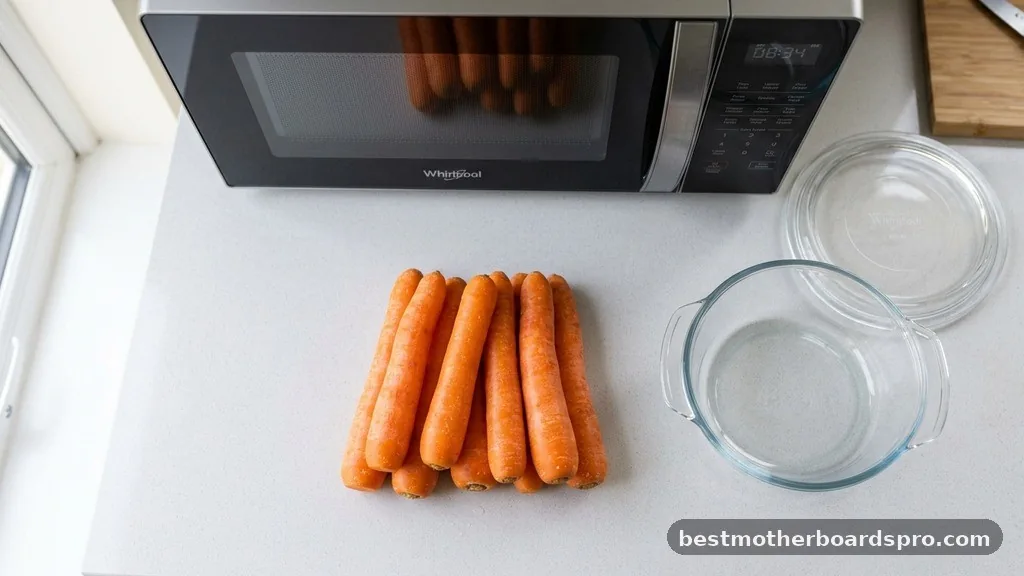
The primary benefit of using your microwave for vegetables is speed and efficiency. Unlike boiling, which requires waiting for a large pot of water to reach a rolling boil, microwave cooking relies on the water already present in the vegetable or a tiny splash of added liquid to create steam.
This process is incredibly energy-efficient and keeps your kitchen cool, especially during warmer months. Because the cooking duration is short, you are less likely to overcook them into a mushy consistency, provided you monitor the progress at regular intervals.
Preparation and Essential Tools
To get the best outcome, preparation is key. You should wash and peel your produce thoroughly if you prefer a smoother texture, though leaving the skin on is perfectly fine for organic varieties after a good scrub.
Uniformity matters; try to slice your carrots into pieces of similar thickness so they cook evenly. If you are using baby carrots, they are already prepped and ready to go, which makes them an excellent candidate for this technique.
- Glass or microwave-safe ceramic dish with a lid or microwave-safe plastic wrap.
- A chef’s knife and cutting board for uniform slicing.
- A small amount of water (about 2 tablespoons) to facilitate steaming.
- Optional flavor enhancers like butter, brown sugar, or fresh herbs.
Step-by-Step Cooking Process
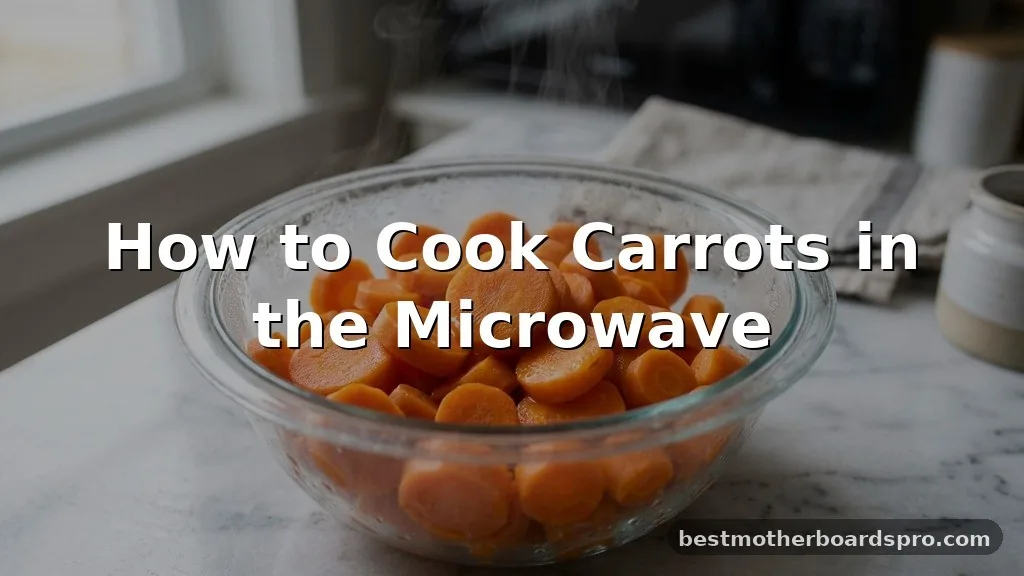
Begin by placing your prepared carrots into a microwave-safe dish. Add the water, cover the dish to trap the steam, and set your appliance to microwave high. It is vital to use the right timing to prevent the edges from drying out or becoming leathery.
| Carrot Type | Estimated Time | Liquid Needed |
|---|---|---|
| Sliced Carrots | 3–5 minutes | 2 tablespoons |
| Baby Carrots | 5–7 minutes | 3 tablespoons |
| Whole Carrots | 8–10 minutes | 4 tablespoons |
Start by cooking for three minutes, then check the texture. If they aren’t quite ready, continue in one-minute intervals until carrots reach your preferred level of tenderness. The goal is to have them fork-tender but still holding their shape.
Flavoring and Serving Suggestions
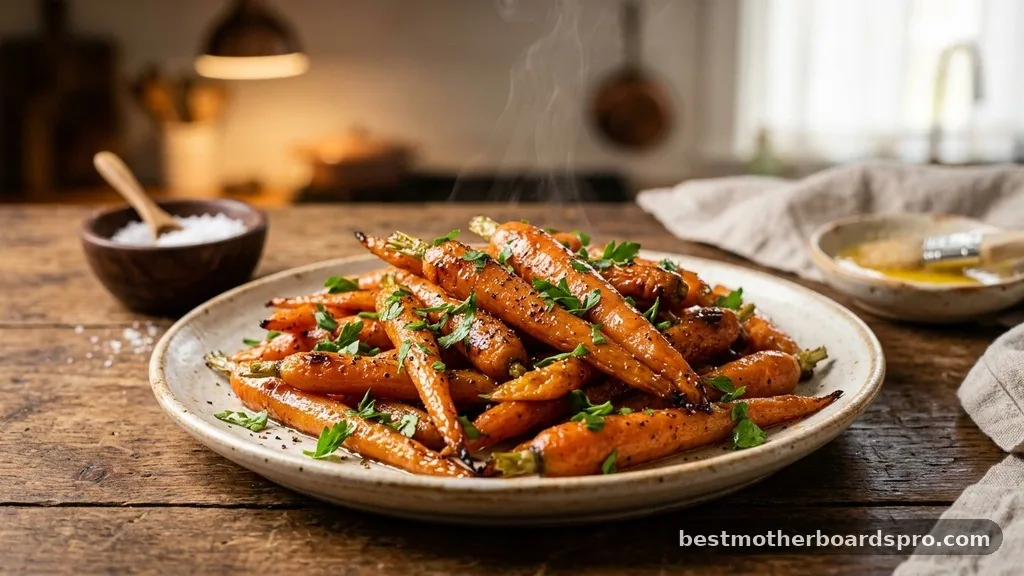
Once your carrots are cooked, you can easily transform them into a gourmet side dish. A simple pat of butter and a pinch of salt are often all that is needed to highlight their natural sweetness. If you want something a bit more festive, consider tossing them with a teaspoon of brown sugar and a dash of cinnamon for a glazed effect.
Fresh herbs like parsley or chives also add a bright, earthy contrast that elevates the final dish. Always let them sit for a minute before serving, as the steam trapped inside the dish will be very hot.
Addressing Common Cooking Challenges
One frequent concern is the risk of uneven cooking. Because microwaves heat by exciting water molecules, denser parts of a vegetable may cook slower than thinner ones. To mitigate this, arrange the thicker slices toward the outer edge of your dish, as microwaves typically heat the perimeter more intensely than the center.
If you find your carrots are drying out, ensure your lid is secure or that your plastic wrap is properly vented but mostly sealed. Adding a slightly larger splash of water can also help if you are working with a higher wattage appliance that tends to dehydrate food quickly.
Nutritional Advantages of Microwave Preparation
Many people mistakenly believe that microwaving destroys the nutritional value of vegetables. In reality, the opposite is often true. Because cooking carrots in the microwave requires very little water and a shorter duration, there is less leaching of water-soluble vitamins into the cooking liquid.
This means more of the beta-carotene and antioxidants remain in the vegetable itself. By keeping the cooking time minimal and avoiding long exposures to high heat, you ensure that your side dish remains as healthy as possible while still achieving a delightful texture.
Troubleshooting and Tips for Success
If your carrots come out too firm, it simply means they need more time. If they are too soft, you likely went past the ideal window. Always start with a conservative estimate, as you can always add more time, but you cannot fix overcooked, mushy vegetables.
If you are cooking a large batch, stir them halfway through to redistribute the heat. This simple action prevents hot spots and ensures every piece is cooked to the same standard.
Common Questions About Microwaving Carrots
How long does it take to cook carrots in the microwave?
Most sliced carrots take between three and five minutes to become fork-tender. Baby carrots usually require five to seven minutes. Because microwave power levels vary, always check the texture at three-minute intervals until carrots reach your desired level of softness for the best results.
Is it better to boil or microwave carrots?
Microwaving is generally better for preserving nutrients and flavor because it uses less water and a shorter cooking time. Boiling can cause vitamins to leach into the water, whereas steaming in the microwave locks in the natural sweetness and color of the vegetable effectively.
Can I cook whole carrots in the microwave?
Yes, you can cook whole carrots in the microwave, though they will take longer than sliced pieces. Place them in a dish with a few tablespoons of water, cover tightly, and cook for eight to ten minutes, checking for tenderness at the end of the initial cycle.
What is the best way to add flavor after cooking?
After your carrots are cooked, drain any excess water and immediately toss them with butter, salt, pepper, and herbs. For a sweet twist, add a small amount of brown sugar or honey while they are still hot so the ingredients can melt and glaze the surface.
Final Thoughts on Microwave Cooking
Mastering the art of cooking carrots in the microwave is an excellent skill for any busy kitchen. By following the simple steps of adding a touch of water, using a covered dish, and checking at one-minute intervals until carrots reach the perfect bite, you can consistently produce a healthy and delicious side dish. This method effectively minimizes cleanup and maximizes flavor, making it a reliable go-to for quick meals.
Experiment with different seasonings like honey, ginger, or fresh dill to keep things interesting. Once you start using this efficient technique, you will likely find yourself reaching for the microwave more often whenever you need a quick, nutritious vegetable boost.