
Learning how to microwave eggs is a genuine time-saver for busy mornings when you need a quick, protein-packed meal without the hassle of scrubbing a frying pan. While many people worry about uneven cooking or messy explosions, mastering the process is mostly about understanding how your appliance interacts with the structure of an egg.
By adjusting your heat settings and using the right containers, you can whip up everything from fluffy scrambles to perfectly set patties in just a few minutes. This approach offers a convenient way to prepare a nutritious breakfast, ensuring you have a hot dish ready even when your schedule is tight and your kitchen cleanup needs to stay minimal.
Understanding the Science of Microwaving Eggs
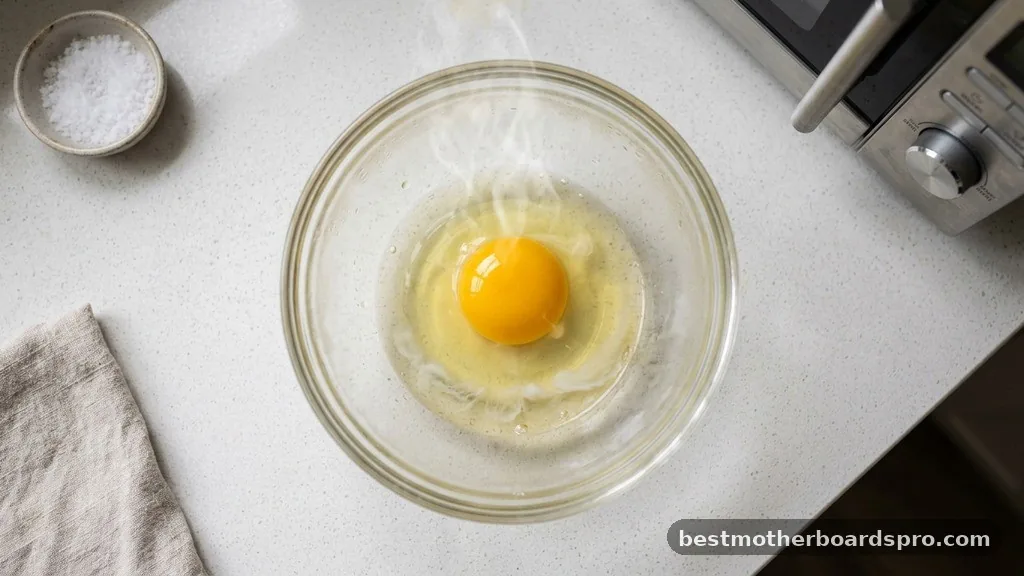
Microwaves work by exciting water molecules within food, creating heat through rapid vibration. Because eggs contain a high water content and are encased in a membrane, they are particularly sensitive to this process. The primary challenge when you learn how to microwave eggs is preventing the steam from building up too quickly, which is what causes the infamous “pop” or explosion.
To avoid this, you must break the yolk or whisk the white thoroughly if you aren’t cooking them in the shell. Never attempt to heat a whole, uncracked egg in the microwave, as the internal pressure will inevitably cause it to burst. By piercing the yolk or whisking the contents, you allow the steam to escape safely, resulting in a consistent, cooked texture that rivals stovetop methods.
Making Fluffy Scrambled Eggs
Scrambled eggs are perhaps the most forgiving and popular way to use a microwave. The key to success is frequent stirring, which distributes the heat evenly and prevents the edges from turning rubbery before the center is set.
The Step-by-Step Scramble
- Crack one or two eggs into a microwave-safe mug or small bowl.
- Add a tablespoon of milk or water for extra fluffiness.
- Whisk the mixture vigorously with a fork until the color is uniform.
- Microwave on high for 30 seconds, then stop and stir.
- Continue cooking in 15-second intervals, stirring each time, until eggs are just set.
Once your eggs reach the desired consistency, season them with salt and pepper. If you enjoy a richer flavor, add a sprinkle of shredded cheese during the final 15 seconds of cooking. This simple recipe creates a light, airy dish that is perfect for breakfast on the go.
Poaching Eggs in the Microwave
Poached eggs often feel like a culinary challenge, but the microwave makes the process surprisingly approachable. You are essentially creating a water bath that gently steams the egg, keeping the white soft and the yolk runny.
Technique for a Perfect Poach
- Fill a microwave-safe ramekin or small bowl with half a cup of water.
- Carefully crack the egg into the water, ensuring it is fully submerged.
- Use a toothpick to gently pierce the yolk once—this is a vital safety step to prevent bursting.
- Cover the container with a small plate or microwave-safe lid.
- Cook on medium-high power for approximately 60 seconds.
Every microwave has different power levels, so you might need to adjust the time by 5 to 10 seconds. If the white isn’t fully opaque, add a few more seconds of heat. Carefully lift the egg out with a slotted spoon and pat it dry on a paper towel before serving.
Comparing Cooking Methods

Choosing the right approach depends on your texture preference and the time you have available. The following table compares common microwave egg preparations to help you decide which method fits your morning routine.
| Method | Estimated Time | Texture | Best For |
|---|---|---|---|
| Scrambled | 60-90 Seconds | Fluffy and soft | Quick breakfast bowls |
| Poached | 60-75 Seconds | Runny yolk, firm white | Avocado toast or salads |
| Patty/Omelet | 90-120 Seconds | Firm and sliceable | Breakfast sandwiches |
Addressing Common Cooking Hurdles
Even when you know the basics, you might run into minor issues. One frequent complaint is that microwaved eggs become dry or rubbery.
This almost always happens due to overcooking. Because the egg continues to cook from residual heat after the microwave stops, it is better to pull them out when they look slightly “wet” or underdone.
Another common issue is uneven cooking. If you are preparing a larger portion, like a thick omelet, the edges will likely cook faster than the middle.
To fix this, use a lower power setting—around 50% to 70%—and increase the cooking time. This gentler approach helps the heat penetrate the center without scorching the exterior.
Flavor Enhancements and Variations
Since eggs are a neutral canvas, they take on other flavors exceptionally well. When you master the basic microwave technique, you can start experimenting with different ingredients to turn a simple snack into a gourmet meal.
- Vegetables: Fold in pre-cooked spinach, diced bell peppers, or sautéed mushrooms.
- Proteins: Add pre-cooked bacon bits or diced ham to your scramble.
- Herbs: Fresh chives, parsley, or dill added after cooking provide a bright, fresh finish.
- Cheeses: Sharp cheddar, feta, or goat cheese melt beautifully when stirred into hot eggs.
Always remember to add soft herbs or fresh greens at the very end to prevent them from becoming soggy during the cooking process. Adding salt and pepper before cooking can sometimes draw moisture out of the eggs, so many chefs prefer to season them immediately after they come out of the microwave.
Nutritional Benefits of Eggs
Eggs are a powerhouse of nutrition, providing high-quality protein and essential amino acids. Whether you cook them on a stove or in a microwave, the nutritional profile remains largely the same. They are also rich in choline, which supports brain health, and contain vitamins like B12 and D.
By choosing to prepare them in the microwave, you aren’t sacrificing health; you are simply choosing a faster delivery system for these nutrients. This makes them an ideal staple for anyone looking to maintain a balanced diet without spending hours in the kitchen.
Frequently Asked Questions
Is it safe to microwave eggs in their shells?
You should never microwave an egg while it is still in the shell. The rapid buildup of steam inside the shell cannot escape, which will cause the egg to explode violently. This can create a massive mess in your appliance and potentially cause burns to the user.
Why do my microwaved eggs turn out rubbery?
Rubbery eggs are almost always the result of overcooking. Microwaves cook food very quickly, and the proteins in eggs become tough when exposed to excessive heat. Try reducing your power level or decreasing the cooking time by 10-second increments to find the sweet spot for your specific machine.
Can I add cheese to my eggs before microwaving?
Yes, you can add cheese before cooking, but it is often better to stir it in halfway through or right at the end. Adding it too early can cause the cheese to separate or burn onto the sides of the bowl, making cleanup more difficult than it needs to be.
How do I make a breakfast sandwich patty in the microwave?
Use a small, flat, microwave-safe dish or a ramekin that is roughly the same diameter as your bread or English muffin. Whisk the egg thoroughly, pour it into the greased dish, and cook for about 60 to 90 seconds until the egg is set firm enough to hold its shape.
Final Thoughts on Microwave Cooking
Learning how to microwave eggs effectively opens up a world of convenience for your daily meal planning. By respecting the need for ventilation, utilizing shorter cooking intervals, and experimenting with your favorite mix-ins, you can create consistent, delicious results every time. Don’t be discouraged if your first attempt isn’t perfect; every microwave has its own personality, and a little trial and error will help you dial in the exact timing you need.
Once you have the process down, you will find that these quick recipes become a staple in your kitchen. Grab your favorite mug, try out these techniques, and enjoy a stress-free start to your morning.