
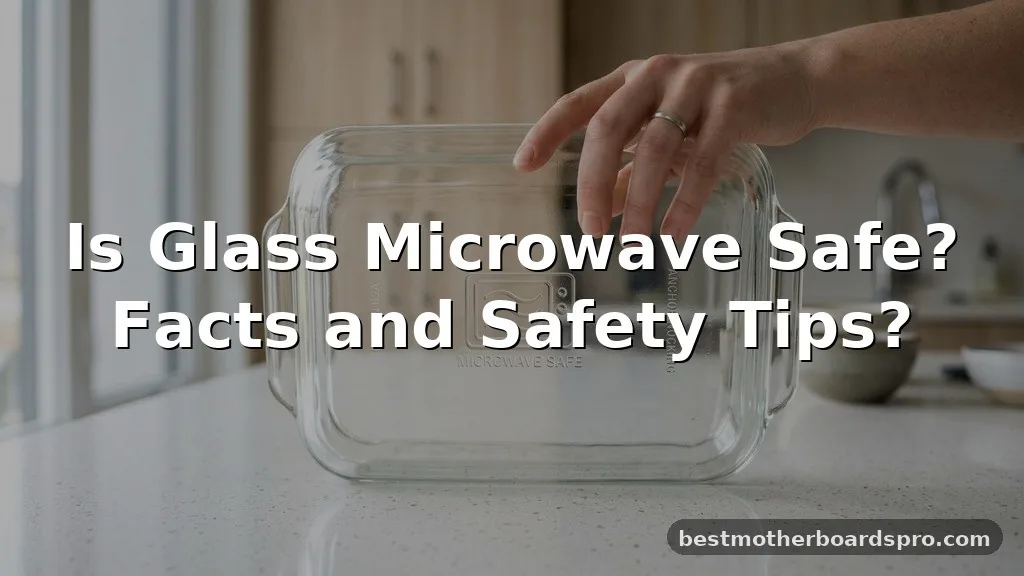
Determining whether your kitchenware can handle high-intensity waves is a common concern for home cooks. Understanding if glass is microwave safe involves more than just glancing at the material; it requires knowing how different types of glass react to rapid thermal expansion. While many containers are designed specifically for this purpose, not every piece of glassware in your cupboard is built to survive the process.
Getting this right prevents dangerous accidents, such as shattering or cracking, while ensuring your food heats evenly. In the following sections, we will clarify which types of glass are reliable for daily use and which ones you should strictly avoid to keep your kitchen environment functional and secure.
Identifying Microwave-Safe Glassware
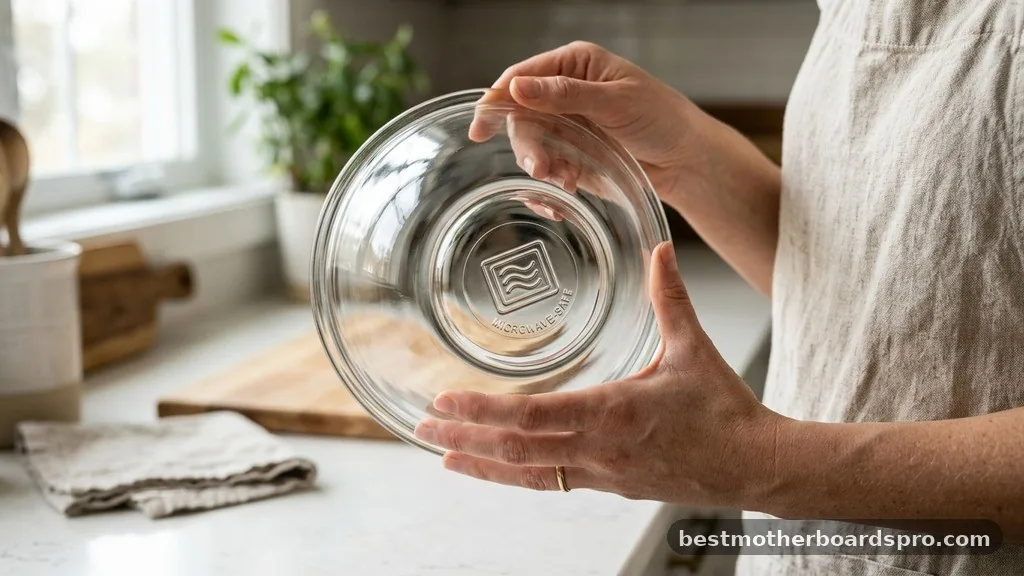
Most modern glassware designed for kitchen use is labeled as microwave-safe. If you are wondering if glass is microwave safe, the simplest method is to look for a small symbol on the bottom of the container. This icon typically features a box with wavy lines inside, indicating that the manufacturer has certified the material to withstand the electromagnetic energy emitted by your appliance.
When you cannot find a label, you must consider the composition of the item. Borosilicate glass is the gold standard for thermal resistance. Unlike standard soda-lime glass, which can crack under extreme temperature fluctuations, borosilicate glass is engineered to handle rapid heating and cooling cycles. This makes it the preferred material for high-quality storage containers and bakeware.
Why Some Glassware Fails
The primary reason glass breaks in a microwave is thermal shock. This occurs when one part of the glass heats up much faster than the rest, creating internal stress that the material cannot accommodate.
Standard glass, such as decorative bowls, thin drinking glasses, or antique crystal, often contains air bubbles or imperfections. These weak points expand at different rates during microwaving glass, leading to sudden fractures.
You should also be wary of glassware that has metallic decorations or gold rims. Even a small amount of conductive material can cause arcing, which results in sparks and potential damage to your appliance’s interior. Always inspect your items for cracks or deep chips before placing them inside; even a tiny fissure can compromise the structural integrity of the piece when subjected to intense heat.
Comparing Common Kitchen Materials
To help you decide what to use for your next meal, the table below highlights the performance of common kitchen materials when exposed to microwave energy.
| Material | Microwave Suitability | Notes |
|---|---|---|
| Borosilicate Glass | Excellent | High resistance to thermal shock. |
| Soda-Lime Glass | Conditional | Safe for short intervals only. |
| Crystal/Lead Glass | Unsafe | May contain metal and crack easily. |
| Plastic Containers | Variable | Check for BPA-free, microwave-safe labels. |
Best Practices for Heating Food
If you are unsure if a specific item is safe, you can perform a quick test. Fill a microwave-safe measuring cup with water and place it inside the bowl or container you wish to test.
Heat both for one minute on high. If the container feels hot to the touch, it is absorbing the energy rather than letting it pass through the food, which means it is not ideal for long heating cycles.
When using glass jars for food storage, always remove the metal lid. Metal reflects microwaves, creating a high risk of sparks and fire. If you are heating food that has been kept in the freezer, allow it to thaw slightly before nuking it to reduce the intensity of the thermal shock.
- Always remove metal lids or foil attachments before heating.
- Avoid heating empty glass containers, as they can overheat quickly.
- Use oven mitts when removing glass, as it retains heat longer than plastic.
- Check for the “microwave-safe” stamp or manufacturer markings.
- Avoid using antique or delicate glassware that may have hidden flaws.
Addressing Common Misconceptions
A frequent question involves the brand Pyrex. Older Pyrex products were made of borosilicate glass, which is incredibly durable. However, many newer consumer-grade versions are made of tempered soda-lime glass.
While still quite strong, these are more susceptible to thermal shock than the original formula. If you are using vintage Pyrex, treat it with care, as its age may have introduced hairline fractures that aren’t immediately visible to the naked eye.
Another misconception is that all thick glass is safe. While thickness can provide some stability, it doesn’t guarantee the glass can handle the rapid expansion caused by heat. A very thick, non-tempered glass object can actually be more dangerous because it traps heat unevenly, leading to a more violent breakage if it eventually gives way.
Managing Lids and Seals
Many people ask about lids when discussing whether glass is microwave safe. Even if the container itself is safe, the lid might not be. Plastic lids can warp or melt if they touch hot food, and silicone seals can trap steam, leading to pressure buildup.
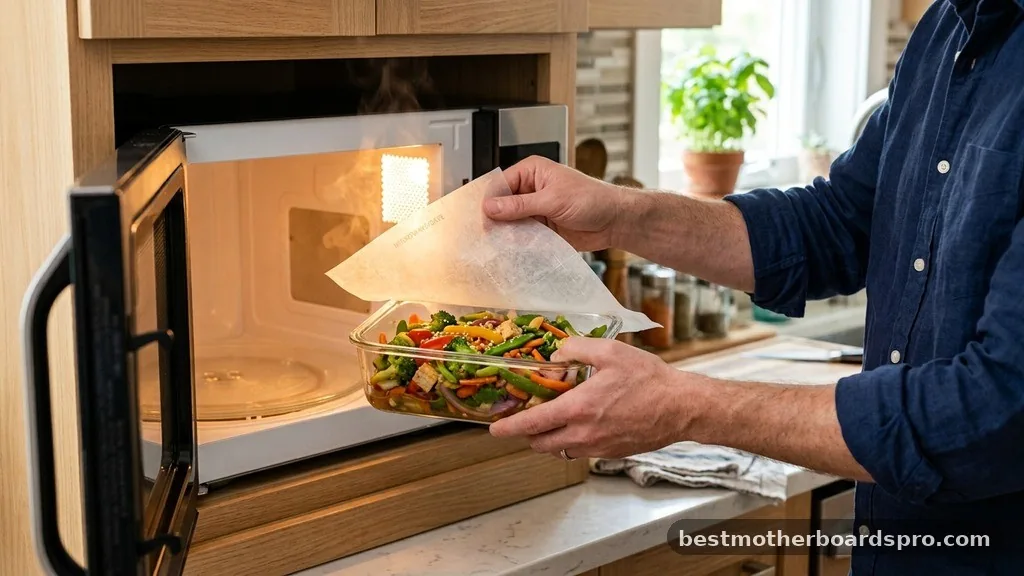
If you are heating food for an extended period, it is often better to use a paper towel or a microwave-safe cover instead of the original lid. This allows steam to escape while preventing messy splatters inside the appliance. If you must use a lid, ensure it is loose enough to allow air circulation, preventing the container from becoming a pressurized vessel.
FAQ Section
Can I put a glass jar in the microwave for a long time?
It is generally not recommended to microwave glass jars for long periods. Most standard jars are not tempered to withstand prolonged heat exposure. If you use one, keep the duration under two minutes and ensure the lid is completely removed to prevent pressure buildup and potential breakage.
Is it safe to move glass directly from the freezer to the microwave?
Moving glass directly from a sub-zero freezer to a hot microwave is a recipe for thermal shock. Even high-quality borosilicate glass can shatter under such extreme temperature swings. Always allow your frozen food to sit at room temperature for at least ten minutes before attempting to heat it.
Why does my glass bowl get hot while my food stays cold?
If your bowl gets hot, it is absorbing the microwave energy directly. This happens with certain types of glass or if the material contains impurities. A truly microwave-safe container should remain relatively cool, allowing the electromagnetic waves to pass through the vessel and heat the food inside instead.
What should I do if my glass container chips or cracks?
You should immediately stop using any glass container that shows signs of chipping or cracking. The structural integrity is compromised, and the item is likely to shatter the next time it is exposed to heat. It is safer to recycle the item and replace it with new, undamaged glassware.
Choosing the Right Storage Solutions
Ensuring your kitchen routine is safe means being selective about what you put in your appliance. Whether you are reheating a quick meal or organizing your storage containers, sticking to items clearly marked for microwave use is the best way to avoid mishaps. When checking whether glass is microwave safe, rely on the manufacturer’s markings and your own judgment regarding the condition of the item.
By avoiding extreme temperature changes and ensuring you never microwave metal, you can keep your kitchenware in great shape for years. If you have any doubts about a specific piece of glass, it is always safer to transfer your food to a bowl you know for certain can handle the heat.