
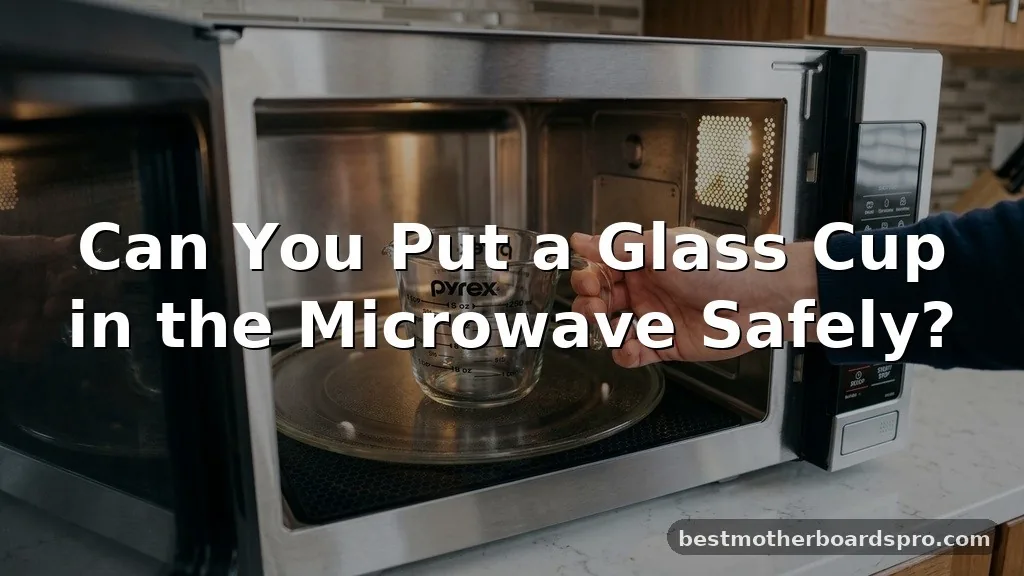
Deciding whether you can put a glass cup in the microwave often comes down to understanding how different types of materials react to intense electromagnetic energy. While many people routinely reheat beverages or food in glass vessels, not every item in your kitchen cabinet is built to withstand the unique environment of a microwave oven.
Using the wrong type of container can lead to shattered glass, spills, or even potential injury if the material fails under thermal stress. By learning how to identify the right glassware, you can keep your kitchen routine efficient and avoid the messy consequences of a mid-cycle explosion.
Understanding Microwave-Safe Glassware
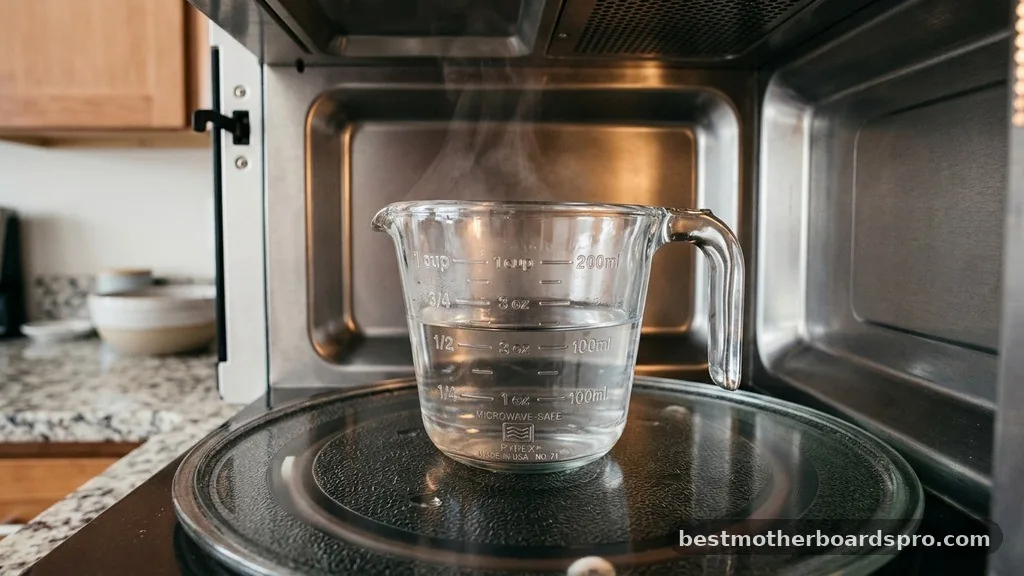
To determine if a glass cup is suitable for heating, you must first distinguish between standard glass and tempered or borosilicate options. Most modern kitchen items designed for heating are manufactured to handle the energy waves without structural compromise.
If you are ever unsure whether you can put a glass cup in the microwave, look for a stamp on the bottom of the vessel. Manufacturers often clearly mark their products as “microwave-safe,” which serves as your primary indicator of safety.
Standard glass, like that found in inexpensive drinking tumblers or vintage collectibles, is often susceptible to thermal shock. This happens when the temperature changes too rapidly, causing the glass to expand or contract unevenly.
When the molecular structure of the glass cannot accommodate this quick shift, the material fractures. Heat-resistant glassware, such as borosilicate glass, is specifically engineered to have a lower coefficient of thermal expansion, making it the gold standard for microwave use.
Risks of Heating Non-Compatible Glass
The primary hazard when heating glass is the potential for structural failure. Even if a cup seems sturdy, it might contain microscopic air bubbles or structural weak points that expand when exposed to high heat.
When you place a glass cup in the microwave for an extended period, the water or food inside heats up and transfers that energy to the container. If the glass wasn’t designed for this, the stress can cause it to crack or shatter instantly.
Identifying Unsafe Glass Features
* Decorative patterns or metallic rims: Gold or silver detailing can spark, causing damage to the microwave or the cup.
* Hand-blown or thin-walled glass: These items often have inconsistent thickness, which leads to uneven heating.
* Cracked or chipped items: Any existing damage acts as a stress point where a fracture can initiate during a heating cycle.
* Lead crystal: This material is heavy and dense, and it is generally not suitable for the high-intensity heat generated by microwaves.
How Temperature Changes Affect Glass Stability
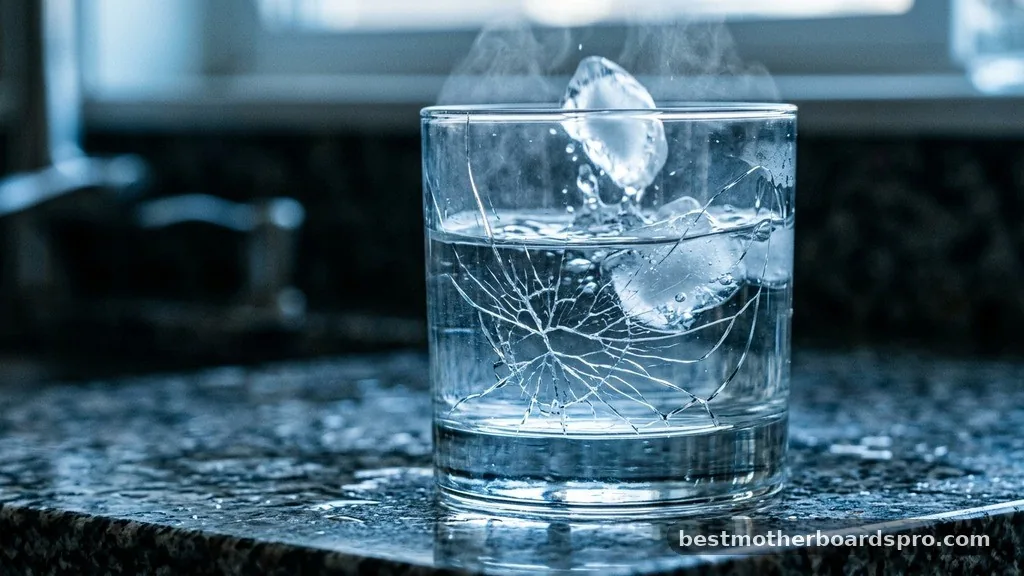
The concept of thermal shock is the biggest enemy of your glassware. If you take a cold glass cup directly from the refrigerator and place it into a hot microwave, the rapid temperature rise causes the inner and outer surfaces of the glass to react differently.
This difference in expansion rates creates internal tension. If the glass is not high-quality, the tension exceeds the strength of the material, resulting in a sudden break.
You can mitigate this risk by ensuring the glass is at room temperature before you start the heating process. Never move a glass container from a freezing environment into a microwave.
Additionally, avoid adding cold liquids to a glass cup that has just finished a long heating cycle. These simple habits significantly reduce the likelihood of a dangerous mishap.
| Glass Type | Microwave Suitability | Heat Resistance |
|---|---|---|
| Borosilicate (e.g., Pyrex) | High | Excellent |
| Tempered Soda-Lime | Moderate | Good |
| Lead Crystal | Low | Poor |
| Standard Thin Glass | Low | Very Poor |
Topical Gaps: Why Some Glass Fails
Many people ask if they can put a glass cup in the microwave for short intervals, like 30 seconds, and wonder why it might fail. Often, the failure isn’t just about the time, but the composition of the glass and the presence of hidden defects. A common gap in consumer knowledge is the role of microwave-absorbing coatings or inclusions.
Some glassware is coated with materials that absorb microwave energy directly, causing the surface to become searingly hot while the contents remain relatively cool. This uneven heating puts immense strain on the structure of the cup.
Furthermore, the design of the cup matters significantly. A heavy, thick-bottomed mug might be safer than a delicate, thin-walled vessel. Thicker glass takes longer to reach the critical temperature where thermal shock occurs.
If you are heating a liquid that boils, the agitation of the liquid can also create pressure points against the glass walls. Always use caution when heating liquids to a boil, as the combination of high temperature and physical agitation is a frequent cause of glass breakage.
Best Practices for Safe Heating
When you want to warm up a drink, follow these guidelines to keep your kitchen safe. Always check the item for manufacturer markings first.
If you don’t see a label, it is safer to transfer your food or liquid to a container that is clearly labeled as microwave-safe. If you must use an unmarked glass cup, keep the heating intervals short and check the temperature of the glass frequently.
If the glass feels excessively hot to the touch after only a few seconds, it is likely absorbing the microwave energy directly rather than just conducting heat from the food. In such cases, stop the microwave and remove the cup immediately using an oven mitt. Never leave a microwave unattended when you are testing a new or questionable piece of glassware.
| Safety Action | Purpose |
|---|---|
| Check for “Microwave Safe” stamp | Confirms material integrity |
| Avoid metallic accents | Prevents electrical arcing |
| Use short, pulsing intervals | Prevents extreme thermal shock |
| Inspect for cracks/chips | Eliminates structural failure points |
FAQ Section
Is it safe to microwave a glass cup for 30 seconds?
For most standard glassware, 30 seconds is generally safe. However, if the glass is very thin, contains lead, or has metallic decorations, even a short time can cause cracks or sparks. Always check that the cup is at room temperature before starting the microwave to avoid thermal shock.
How can I tell if my glass cup is microwave safe?
Look at the bottom of the cup for a manufacturer’s stamp that explicitly states “microwave-safe.” If there is no symbol or text, assume it is not safe. Glass that is specifically tempered for heat resistance is your safest option for regular microwave use in your home.
Can I microwave a glass cup that has a design or logo?
It is best to avoid microwaving glass with painted designs or logos. These patterns often contain metallic pigments that can cause arcing, sparking, or release toxic fumes into your food. If the design is etched directly into the glass, it is usually safe, but painted items should stay out.
What happens if I microwave a non-safe glass cup?
If you use non-safe glass, the container may shatter due to thermal shock or uneven heat distribution. In some cases, the glass might not break immediately but could develop hairline fractures that make it prone to exploding later when you pour hot liquid into it, creating a safety hazard.
Conclusion
Whether or not you can put a glass cup in the microwave depends entirely on the quality and composition of the glass. By prioritizing items labeled as microwave-safe and avoiding those with metallic decorations or thin, fragile walls, you can enjoy the convenience of your appliance without the risk of breakage. Always keep an eye on the heating time and handle hot containers with care to prevent accidental burns.
When in doubt, it is always better to transfer your items to a known safe container rather than risking a shattered mess. Taking a few seconds to inspect your glassware ensures that your kitchen remains a safe and efficient space for all your daily needs.