
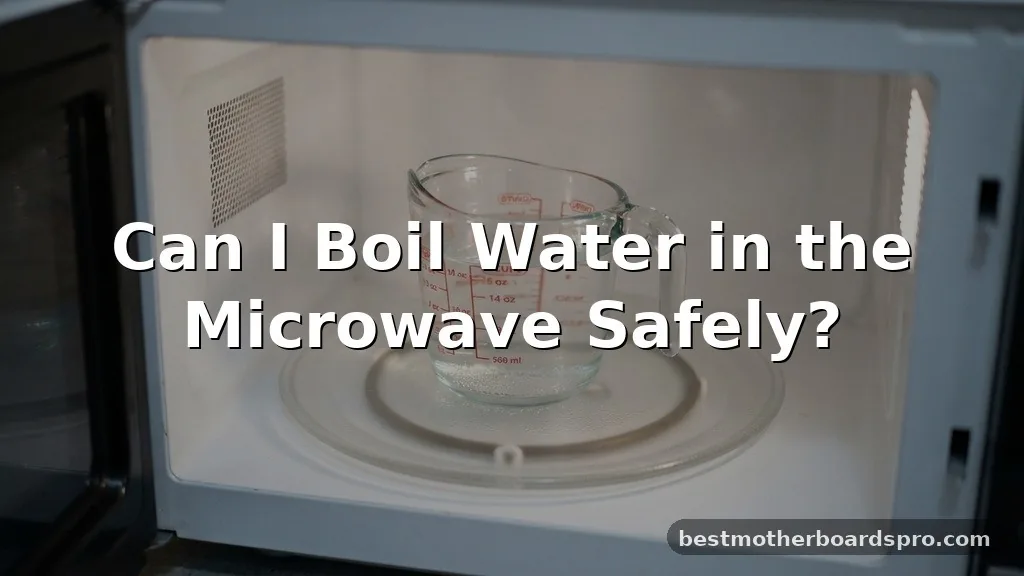
Many people wonder if they can boil water in the microwave when they need a quick cup of tea or a fast start for pasta. The short answer is yes, you absolutely can, but there are some important safety nuances to keep in mind. While it might seem like a simple task, the physics behind how microwaves interact with liquid means that improper handling can lead to unexpected accidents.
By understanding the right containers to use and the dangers of superheating, you can confidently heat your liquid without worry. This article covers everything you need to know to make sure your kitchen experiments remain safe and effective every single time.
The Science of Microwaving Water
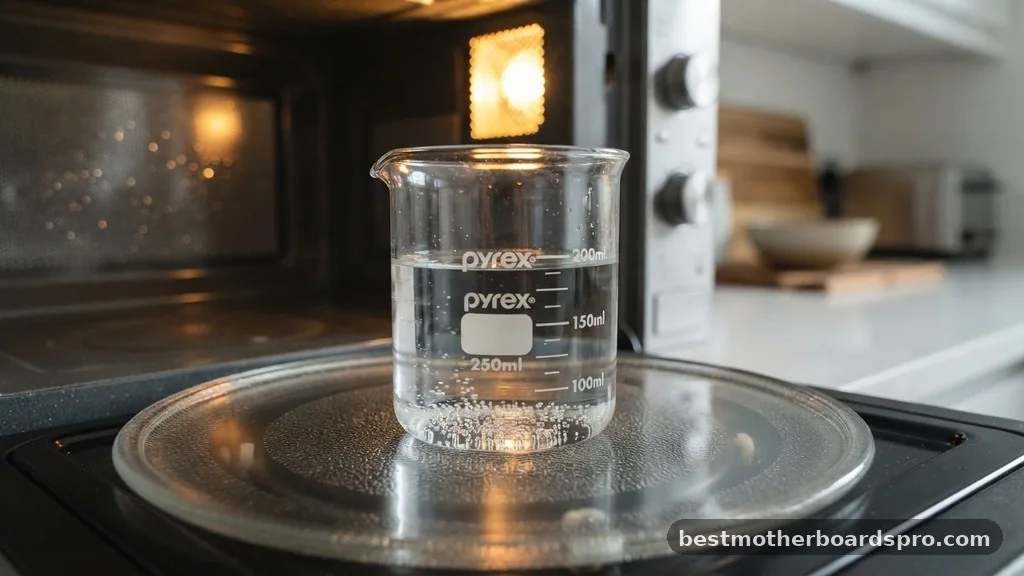
When you place a container of liquid inside the machine, the electromagnetic waves cause the molecules within the liquid to vibrate rapidly. This friction generates heat, which eventually brings the liquid to a rolling boil. Unlike a stovetop, which heats the vessel from the bottom up, the microwave energy penetrates the liquid directly.
Because of this, the process can sometimes bypass the natural formation of bubbles that usually signal a boil. This phenomenon is known as superheating.
When liquid becomes superheated, it reaches a temperature above its boiling point without actually bubbling. If you then disturb the liquid by adding a spoon, a tea bag, or a packet of instant coffee, the energy can release all at once, causing the liquid to erupt violently.
Selecting the Right Container
The vessel you choose is perhaps the most critical factor for success. Not all materials are built to withstand the intense energy of your appliance, and using the wrong one can lead to cracks, leaks, or even chemical leaching.
Always look for a label that explicitly states the item is microwave-safe. If you are unsure, it is better to play it safe and use a different dish. Materials like metal, including stainless steel or aluminum foil, are never appropriate because they reflect the waves and can cause electrical arcing, which damages the device.
Choosing Ideal Microwave Materials
- Ceramic mugs: These are generally the best choice for heating small amounts.
- Glass containers: Tempered glass (like Pyrex) works well, but avoid thin or antique glassware that might shatter.
- Microwave-safe plastic: Only use containers labeled as safe; check that they are BPA-free.
- Paper products: Use these only for very short bursts, as they can ignite if the liquid gets too hot.
Safety Precautions and Superheating
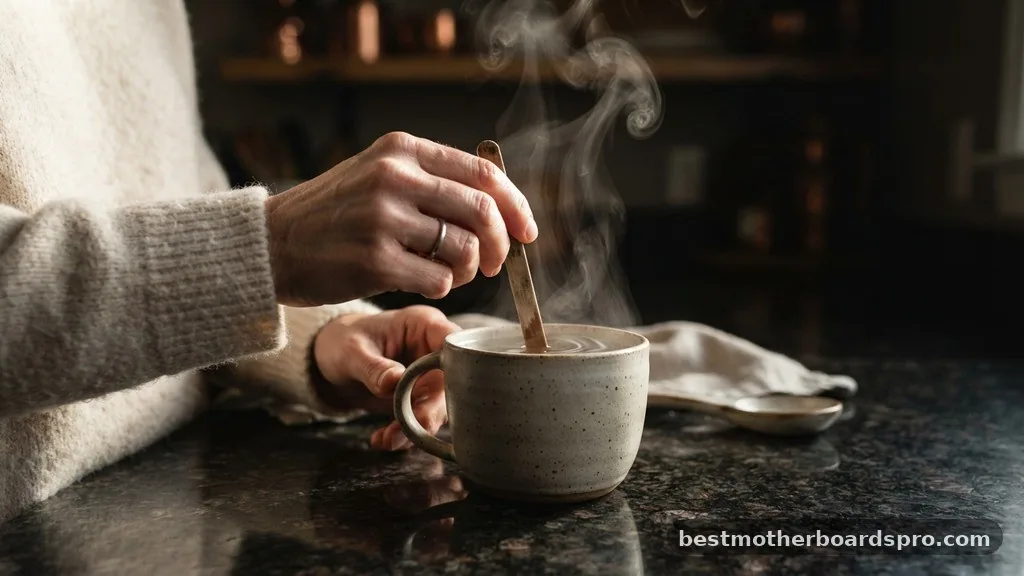
To prevent the dangers associated with superheating, you need to provide the liquid with a way to release energy as it warms up. A simple trick is to place a non-metallic object, such as a wooden stir stick or a chopstick, into the container. This provides a surface area for bubbles to form, which prevents the liquid from becoming superheated and unstable.
You should also avoid heating the liquid for too long in a single stretch. It is much safer to heat it in shorter intervals and stir it occasionally. This redistributes the heat evenly throughout the vessel, ensuring that no single spot gets dangerously hot while the rest remains cool.
| Method | Pros | Cons |
|---|---|---|
| Stovetop | Consistent, visual cues | Slower, requires constant monitoring |
| Microwave | Fast, convenient | Risk of superheating if not careful |
| Electric Kettle | Precise, auto-shutoff | Takes up counter space |
Steps to Properly Heat Your Water
If you want to know how to boil water in the microwave the right way, follow these steps to minimize risk and maximize results. Start by filling a microwave-safe container with the amount you need, leaving plenty of room at the top to prevent spills.
Next, place the container inside and set the timer for a short duration, such as one to two minutes depending on the volume. Once the timer dings, let it sit for about thirty seconds before opening the door. This resting period allows the temperature to stabilize, reducing the chance of a sudden eruption when you remove it.
If you are making coffee or tea, add your ingredients slowly. Watch out for any sudden steam release. If you find the liquid isn’t hot enough, repeat the process in thirty-second increments until you reach your desired temperature.
Common Mistakes to Avoid
Many people treat the microwave like an oven and assume it will function the same way. However, failing to monitor the appliance can lead to messy overflows or damaged containers. One common mistake is using a vessel that is too small for the volume of liquid, which causes it to boil over as soon as it reaches the peak temperature.
Another frequent error is ignoring the “microwave-safe” stamp on your dishes. Even if a bowl or mug looks sturdy, it may contain metallic glazes or hidden structural flaws that can compromise its integrity under heat. Always prioritize safety over convenience by verifying your equipment before you press start.
Addressing Frequently Asked Questions
Is it safe to boil water in the microwave?
Yes, it is perfectly safe as long as you use appropriate, microwave-safe containers and take precautions against superheating. The primary risk is the liquid becoming unstable and erupting, but this is easily prevented by adding a wooden stick or stirring the liquid at intervals during the process.
How long should I boil water in the microwave?
The time depends on your appliance’s wattage and the amount of liquid. Typically, one cup of room-temperature water takes about two to three minutes to reach a boil. Always start with shorter intervals, such as one minute, and check the temperature before adding more time to ensure safety.
Does boiling water in the microwave change its quality?
No, the process does not alter the chemical structure or the quality of the water. Whether you use a stove or a microwave, the result is the same: liquid that has reached its boiling point. It remains perfectly healthy to drink and use for your favorite hot beverages.
Can I sterilize items using this method?
While you can use the microwave to generate steam for sanitizing, it is not always the most reliable method for medical-grade sterilization. If you are trying to clean baby bottles or other delicate items, ensure they are specifically marked as microwave-safe to avoid melting or chemical degradation during the process.
Final Thoughts on Microwave Boiling
Learning how to boil water in the microwave is a handy skill that saves time during busy mornings. By choosing the right mug, avoiding metal, and being mindful of the potential for superheating, you can easily integrate this method into your routine. Remember that safety is always the priority, so never rush the process and always give the container a moment to rest before you take it out.
Once you master these simple habits, you’ll find it’s a reliable way to prepare your favorite tea or coffee quickly. If you have any other questions about your kitchen appliances or safe heating methods, don’t hesitate to reach out for more tips.