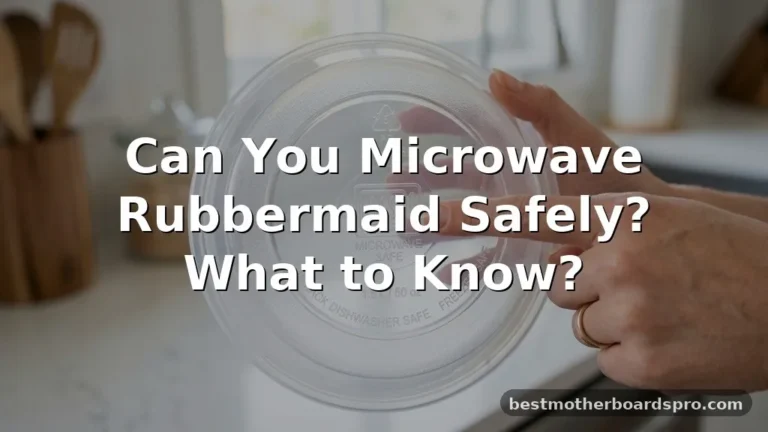

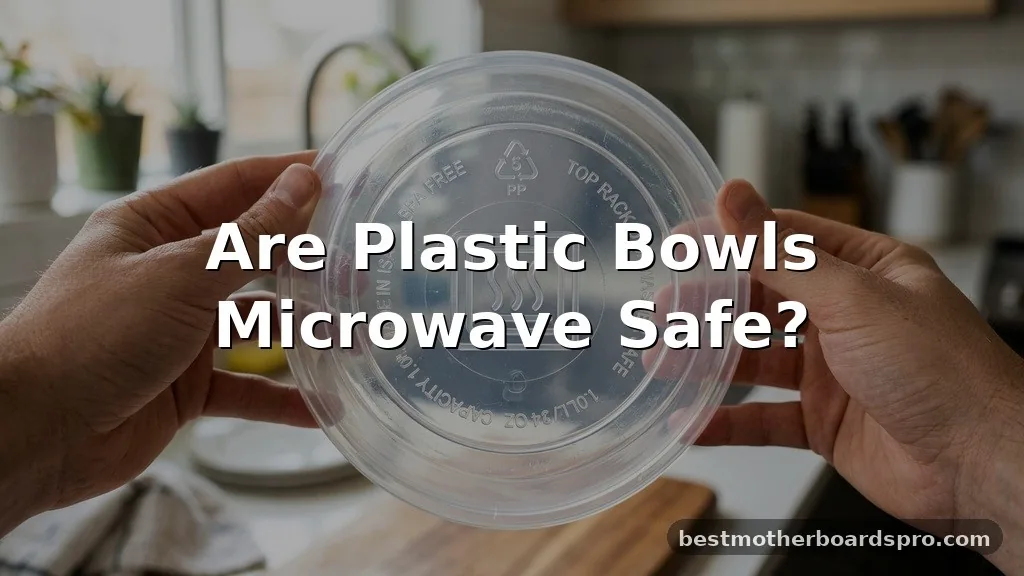
Deciding whether plastic bowls are microwave safe often comes down to understanding the specific chemistry behind your kitchenware. Most people assume that if a container holds food, it should handle a quick spin in the microwave, but that isn’t always the case. Identifying the right materials is essential for your family’s safety and the longevity of your dishes.
By learning how to spot the correct symbols and understanding how heat interacts with different polymers, you can avoid common kitchen mishaps. This overview clarifies exactly what you need to look for before hitting the start button on your appliance.
How to Identify Microwave Safe Plastic
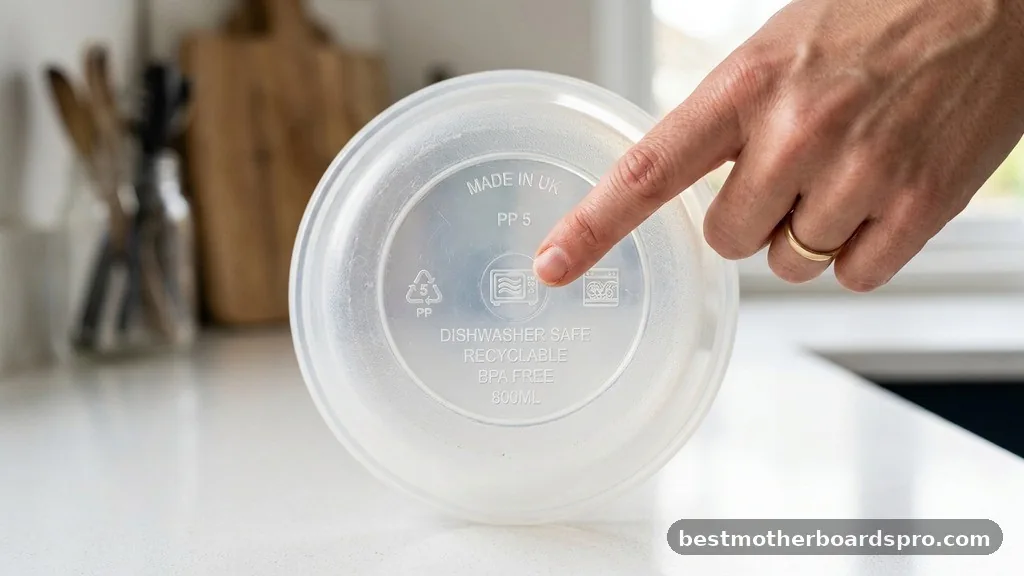
The most reliable way to determine if your plastic bowl is safe for the microwave is to check for a specific label or symbol. Manufacturers are generally required to indicate whether a product has been tested for high-heat environments.
Look at the bottom of your bowl; you will usually find a small icon featuring a microwave oven or wavy lines. If you see this symbol, the item has been manufactured to withstand the intense thermal stress of a microwave cycle without warping or leaching harmful substances.
If no symbol is present, don’t assume it’s safe. Many older or generic containers lack this certification, meaning they were designed solely for cold storage or room-temperature use.
Using these in the microwave can lead to structural failure, causing the bowl to melt or deform while holding your hot meal. When in doubt, it is far better to transfer your food to a glass or ceramic dish rather than risking a mess or potential chemical exposure.
Understanding Resin Identification Codes
The triangular recycling symbol with a number inside is a resin identification code, not necessarily a safety rating for heat. While these numbers tell you the type of plastic, they don’t always guarantee that the specific bowl is microwave safe. For example, some types of plastic are notoriously bad at handling heat, while others are engineered for it.
- Number 5 (Polypropylene or PP): Generally considered the safest option for microwaves because of its high heat tolerance.
- Number 1 (PET/PETE): Typically used for soda bottles; it is not designed for heat and can warp or melt easily.
- Number 6 (Polystyrene): Often found in disposable foam bowls; this material is not microwave safe and can release chemicals under heat.
- Number 7 (Other): This is a catch-all category; some of these plastics contain BPA, while others are modern, heat-resistant composites.
The Role of Heat and Chemical Leaching
When plastic is exposed to high temperatures, the molecular structure can become unstable. This process is what leads to chemical leaching, where additives used to make the plastic flexible or durable migrate into your food. While modern regulations have significantly reduced the use of dangerous compounds, heating low-quality plastics remains a concern for many health-conscious individuals.
Microwaving food causes the water and fat content to heat up rapidly, which can reach temperatures well above the boiling point of water. If the plastic bowl wasn’t designed for this specific thermal load, the material might soften.
Once the plastic softens, the likelihood of chemical migration increases significantly. Using products specifically labeled as microwave safe minimizes this risk because those materials are tested to ensure they remain stable even when food reaches high temperatures.
Comparing Common Kitchen Materials
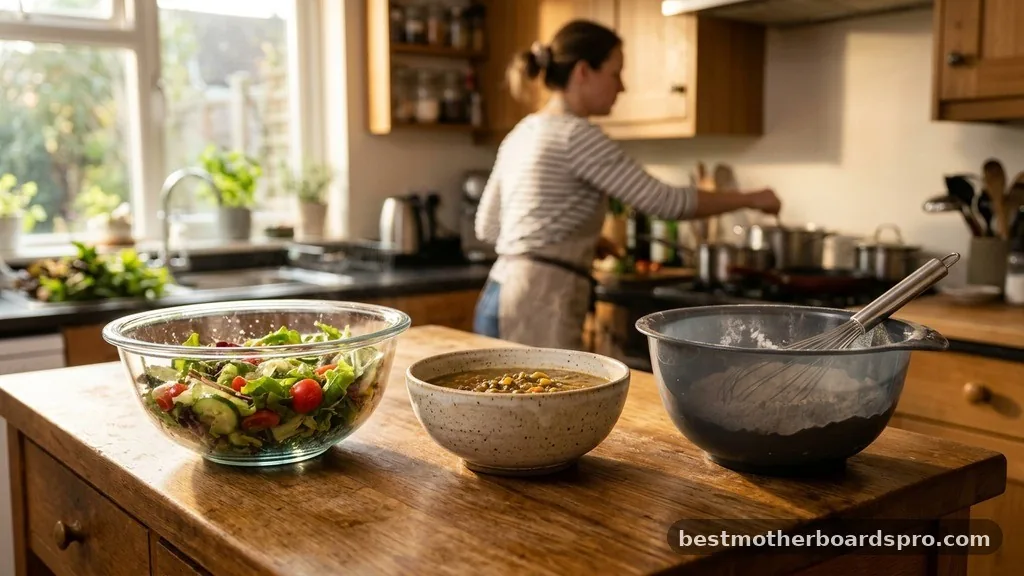
Choosing the right container for your microwave depends on the material’s ability to handle thermal shock and direct heat. The following table provides a quick reference for how different materials perform in the microwave.
| Material | Microwave Safety | Durability |
|---|---|---|
| Borosilicate Glass | Excellent | High |
| Microwave-Safe Plastic | Good | Moderate |
| Standard Ceramic | Good | High |
| Disposable Plastic | Poor | Low |
| Metallic/Foil | Dangerous | N/A |
Why Disposable Bowls Are Risky
Many people mistakenly believe that all plastic containers are created equal, but disposable bowls are a major outlier. These items are often manufactured as cheaply as possible, using thin layers of plastic that aren’t meant to withstand any form of reheating. When you put a disposable bowl in the microwave, you aren’t just risking a melted container; you are potentially compromising the integrity of your meal.
These thin plastics can degrade in seconds, causing the walls of the bowl to lose their shape. If the bowl collapses, you risk spilling hot liquids, which can lead to painful burns.
Furthermore, because these products are intended for single use, they haven’t been subjected to the same rigorous testing as high-end, reusable kitchen containers. If you find yourself frequently needing to microwave leftovers, investing in a set of designated microwave-safe containers is a smart move for your kitchen.
Addressing Common Concerns About Plastic Safety
A major question often raised is whether using microwave-safe plastic causes long-term health issues. While the scientific consensus supports the use of certified microwave-safe plastics, it is important to follow usage instructions carefully. Over time, even high-quality plastic can develop microscopic cracks and scratches from utensils.
These scratches can harbor bacteria and potentially trap food particles, making the bowl harder to clean properly. If your plastic bowls appear cloudy, pitted, or scratched, it is time to retire them.
Even if the material is technically heat-resistant, the physical degradation of the surface makes it a poor choice for food storage and heating. Replacing old, worn-out plastic with fresh alternatives is a simple way to maintain high standards of kitchen hygiene.
Better Alternatives to Plastic
If you are looking to move away from plastic entirely, there are several effective alternatives. Glass and ceramic remain the gold standards for microwave use. Both materials are chemically inert, meaning they won’t leach anything into your food regardless of how hot it gets.
Glass bowls are particularly useful because they allow you to see the food as it heats, which helps prevent overcooking. Ceramic is also excellent, though you should ensure the glaze is lead-free and microwave-safe.
For those who want the convenience of plastic without the potential downsides, silicone is a popular modern choice. Silicone is highly heat-resistant, flexible, and generally free of the chemicals often associated with rigid plastics.
Frequently Asked Questions
How do I know if a plastic bowl is safe?
Look for the microwave-safe symbol, which usually depicts a microwave or wavy lines, on the bottom of the bowl. If there is no symbol, or if the plastic feels thin and flimsy, it is safer to transfer your food to a glass or ceramic container instead.
Can I microwave a plastic bowl with a lid?
It depends on the lid. Only microwave a bowl with a lid if both are specifically labeled as microwave safe. Even then, keep the lid slightly ajar to allow steam to escape; otherwise, the pressure buildup could cause the container to warp or pop open during heating.
Does heating food in plastic cause cancer?
While there is ongoing research into various chemicals, using containers specifically labeled as microwave safe is the best way to minimize risk. These products are tested to meet safety standards that prevent the migration of harmful levels of chemicals into food when used as directed by manufacturers.
What happens if I microwave a non-microwave-safe bowl?
The bowl may warp, melt, or become brittle. In some cases, the plastic can fuse to your food or release chemicals due to the rapid increase in temperature. This can create a fire hazard, damage your appliance, and make your food unsafe or unpleasant to eat.
Conclusion
Navigating the world of kitchenware can be tricky, but understanding whether your plastic bowls are microwave safe is a simple step toward a safer home. By checking for proper labeling, rotating out old or damaged containers, and opting for glass or ceramic when in doubt, you ensure your meals remain healthy and your kitchen stays functional. While modern plastic technology has come a long way, your best defense is always a bit of common sense and careful observation.
Keep an eye on your containers for signs of wear and don’t hesitate to replace items that have seen better days. Staying informed is the best way to get the most out of your kitchen equipment while keeping your family safe.